



 Xplorely
Disclosure: This post may contain affiliate links. Purchases through these links support our site at no extra cost to you.
Okay, so I used to think making dandelion salve was some super crunchy, complicated thing. But honestly, it’s become one of my favorite kitchen projects. I’m talking about those persistent muscle aches after a tough workout, or just wanting something natural for my skin that actually *works*. I’ve tried all the fancy creams, you know? But nothing quite hits like this homemade stuff. It’s surprisingly simple, incredibly rewarding, and trust me, your skin and muscles will thank you. I’m going to walk you through exactly how I do it, step-by-step.
📋 In This Article
Why Dandelions? They’re More Than Just “Weeds”
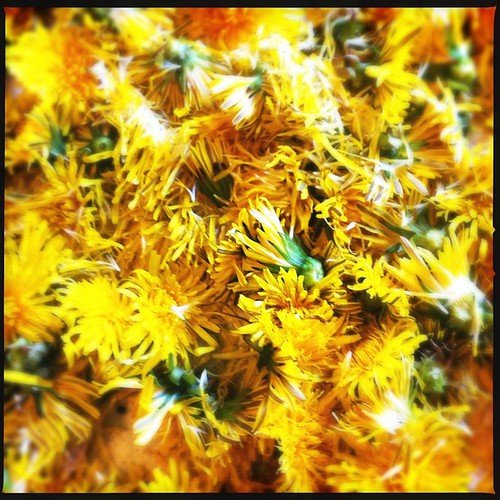
Look, for years I just saw dandelions as a nuisance in my garden. But then I started reading up on them, chatting with some herbalist friends, and realized they’re actually powerhouse little plants. They’re packed with anti-inflammatory properties, and they’re really soothing for irritated skin. I mean, my grandmother always swore by them for minor cuts and scrapes, and she was on to something. They’re everywhere right now in May, popping up with those bright yellow heads, practically begging you to pick them. And that’s exactly what I do. I just grab a basket and head out.
Related Reading
Gathering Your Dandelions Safely and Sustainably
You want to pick dandelions that haven’t been sprayed with pesticides, obviously. So, avoid roadsides or public parks unless you’re sure. I pick mine from my own backyard, or a friend’s field. Go for the fully open, bright yellow flowers, ideally in the late morning after the dew has dried. Just snip them right below the head. Don’t worry about the green bits too much, but try to get mostly petals.
First Up: Making Dandelion Infused Oil (It’s Easy, Promise!)
Okay, so once you’ve got a good handful of dandelion heads, you need to dry them out a bit. This is super important because any moisture means mold in your oil, and that’s a no-go. I usually spread mine out on a clean tea towel for 2-3 days until they feel slightly wilted. Then, I loosely pack a clean, dry glass jar – a Mason jar works perfectly – with the dried dandelion flowers. Next, cover them completely with a carrier oil. You’ll want about 1.5-2 cups of oil for a standard pint jar. I usually use the ‘solar infusion’ method, leaving the jar in a sunny window for 4-6 weeks, shaking it daily. If you’re impatient, a slow cooker on the ‘warm’ setting for 4-8 hours works too. Just keep the heat super low.
My Go-To Oils for Dandelion Infusion
For the oil, I lean towards good quality, affordable options. I often use extra virgin olive oil – the Kirkland brand from Costco is actually fantastic for this. Sometimes I’ll use a lighter oil like NOW Solutions Sweet Almond Oil if I want something less greasy for skin application. Jojoba oil is another great one, but it’s a bit pricier, so I usually save that for smaller batches or facial oils.
Turning Oil into Salve: The Simple Kitchen Magic
After your oil has infused and smells wonderfully earthy, you need to strain out all the dandelion bits. I use a fine-mesh sieve lined with cheesecloth and really squeeze out every last drop of that precious oil. Now for the salve part! You’ll need beeswax pellets. I find a ratio of about 1 ounce (28g) of beeswax per 4-5 ounces (120-150ml) of infused oil gives a nice, firm but spreadable salve. Melt the beeswax in a double boiler over low heat. Once it’s liquid, add your infused oil and stir until everything is combined and melted. If you want to add essential oils – like peppermint for extra muscle relief – do it now, right before you pour.
Getting the Right Salve Consistency Every Time
This is where a little trial and error comes in. To check the consistency, I always spoon a tiny bit onto a cold plate and pop it in the fridge for a minute. If it’s too soft, add more beeswax. If it’s too hard, add a little more infused oil. Once you’re happy, carefully pour the liquid salve into clean, dry tins or small glass jars. Let them cool completely on the counter – this can take a few hours – before putting on the lids.
How I Use My Dandelion Salve (and Why You Should Too)
Okay, so you’ve got your beautiful, homemade dandelion salve. What do you do with it? For sore muscles, it’s my absolute favorite. After a long hike or a heavy lifting session, I rub a generous amount onto my shoulders, neck, or calves. It doesn’t have that intense heating or cooling sensation like some store-bought balms, but it provides a gentle, deep soothing relief. I also use it for dry patches on my elbows and knees, and it’s surprisingly good for rough cuticles. It just feels nourishing, you know? It won’t fix a broken bone, obviously, but for everyday aches and skin dryness, it’s fantastic.
When to Check with Your Doctor (Seriously, Don’t Skip This)
Look, while dandelion salve is great for minor discomfort, it’s not a substitute for professional medical advice. If you have persistent pain, swelling, or any skin irritation that doesn’t improve, please check with your doctor. Always do a small patch test on your skin first to make sure you don’t have an allergic reaction to any of the ingredients.
⭐ Pro Tips
- Always dry your dandelion flowers completely before infusing – moisture means mold, and nobody wants that. I usually lay mine on a clean towel for 2-3 days.
- For extra oomph for sore muscles, I sometimes add 10-15 drops of DoTerra Deep Blue or peppermint essential oil to the melted salve right before pouring. It gives a nice tingle.
- Don’t boil your oil! Keep the heat low and slow for infusion. High heat can degrade the beneficial compounds in the dandelions and the oil itself.
Frequently Asked Questions
How long does homemade dandelion salve last?
Yes, it usually lasts 6-12 months. Store it in a cool, dark place in an airtight container to prevent rancidity, just like you would with other natural oils.
Is dandelion salve actually good for skin?
Yes, I find it really soothing. Dandelions contain antioxidants and anti-inflammatory compounds that can calm irritated skin, reduce redness, and promote healing for minor issues.
Can I use dandelion leaves for salve?
No, I only use the flowers for salve. The flowers have the highest concentration of beneficial compounds for this purpose, plus they give the salve that lovely yellow tint.
Final Thoughts
So, there you have it. My honest take on making dandelion salve. It’s not a miracle cure, but it’s a genuinely lovely, natural remedy I keep in my home. Plus, the process of making it feels good, connecting you to something simple and real. Give it a shot this spring! Collect some dandelions, get an afternoon project going, and see how your body responds. You might just surprise yourself.



GIPHY App Key not set. Please check settings