



 Xplorely
Disclosure: This post may contain affiliate links. Purchases through these links support our site at no extra cost to you.
Okay, so I’ve been hearing about dandelion salve for ages. People swear it’s amazing for everything from sore muscles to eczema. Honestly, I was skeptical. I mean, it’s just a weed, right? But after a particularly brutal week of gardening followed by a nasty bout of dry skin that felt like sandpaper, I figured, why not? I decided to make my own dandelion salve. It took about an hour, and I was genuinely surprised by the results. Here’s the lowdown on whether this DIY remedy is worth your time.
📋 In This Article
My Dandelion Salve Recipe: Simple & Effective
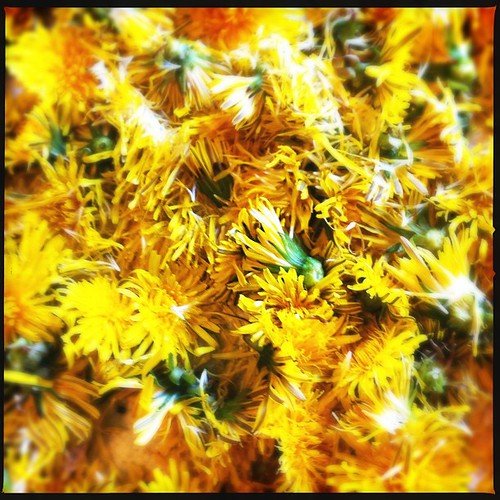
Making dandelion salve isn’t complicated, which is a huge plus. You basically infuse the ‘medicinal properties’ of dandelions into an oil, then thicken it with beeswax. I went for a pretty standard recipe. I gathered about 2 cups of fresh dandelion flowers (just the yellow petals, no green bits, as those can make it bitter, or so I read) on a sunny morning when they were fully open. I let them wilt for a few hours to reduce moisture, then stuffed them into a clean glass jar. I covered them completely with about 1 cup of good quality olive oil (a plain extra virgin one worked fine, nothing fancy needed). I let this infuse for about 2-3 weeks, shaking the jar every day or two. Then, I strained the oil through cheesecloth, squeezing out as much oil as I could. For every cup of infused oil, I added about 1/4 cup of beeswax pellets. I gently heated the oil and beeswax in a double boiler until the beeswax melted, stirring constantly. Then I poured it into small tins (I got a pack of 10 for about $12 on Amazon).
Related Reading
The Infusion Process: Patience Pays Off
The key here is letting those dandelions really steep in the oil. I left mine for a solid three weeks, shaking it religiously. Some people do a quicker heat infusion, but I found the slow, cold infusion method gave a lovely, golden oil. It smelled faintly of sunshine and earth, which I kind of loved.
Does Dandelion Salve Actually Work for Sore Muscles?
This is where I was most curious. After a weekend of heavy lifting for a home project, my shoulders and lower back were screaming. I applied a generous amount of my homemade dandelion salve. The texture is nice – not too greasy, and it absorbs reasonably well. Within about 20 minutes, I felt a definite warming sensation, almost like a gentle heat rub. It wasn’t a dramatic, ‘poof, pain gone’ situation, but it took the edge off significantly. The soreness definitely felt less intense, and I could move more freely. I’ve been using it after intense workouts too, and it seems to help reduce that deep muscle ache I usually get. I’d say it’s comparable to some over-the-counter muscle rubs I’ve tried, but without the strong menthol smell or the sometimes-harsh chemicals. I’ve been reaching for this salve more than my usual arnica gel lately.
My Muscle Relief Experience
It’s not a miracle cure, but it provides noticeable relief. I’d say it reduced my perceived soreness by about 30-40% within an hour. I applied it 2-3 times a day as needed.
Skin Benefits: My Dry Patches Are Begging for More
My other big issue is dry, flaky skin, especially on my hands and elbows in the cooler months (even in May, the air conditioning can be brutal!). Dandelion salve is supposed to be great for this, and I can see why. The olive oil base is super moisturizing, and the beeswax creates a protective barrier. What surprised me was how soothing it felt. I had a particularly rough patch on my elbow that was red and itchy, and the salve calmed it down really quickly. It didn’t sting or burn like some other creams sometimes do. I’ve been using it as a hand cream before bed, and my hands feel so much softer. It’s not greasy once it sinks in, which is key for me. I haven’t tried it on anything serious like eczema, but for general dryness and irritation, it’s been fantastic.
Soothing Dry, Itchy Skin
For everyday dryness and minor irritation, this salve is a winner. It feels calming and deeply moisturizing without being heavy. I applied it once or twice a day to affected areas.
Dandelion Salve vs. Store-Bought Options
Okay, real talk. There are tons of dandelion-based products on the market now. I saw a 2oz tin of ‘Organics Dandelion Muscle Rub’ at Whole Foods for $18.99, and a similar size ‘Herbalist’s Dandelion Skin Balm’ online for $22. My homemade version cost me maybe $5-$7 in ingredients (mostly the olive oil and beeswax, as dandelions are free!). For that price difference, the DIY route is a no-brainer if you have the time. The quality of my homemade salve feels just as good, if not better, than some of the pricier options I’ve seen. Plus, you know exactly what’s in it. No weird preservatives or synthetic fragrances, which is a big win for me.
Cost-Effectiveness
My batch cost under $10 and made about 10 small tins. Similar commercial products can cost $15-$25 for a single tin. It’s a huge saving.
Important Considerations & When to See a Doctor
Now, before you go slathering yourself in dandelion goo, a few things. First, make sure you are 100% positive you’re picking dandelions and not some other yellow-flowered weed that might be toxic. If you have allergies, especially to ragweed or chamomile, be cautious. Dandelions are in the Asteraceae family. Always do a patch test on a small area of skin first to check for any reactions. And here’s the big one: while I found this helpful for minor aches and dry skin, it’s not a substitute for medical advice or treatment. If you have severe muscle pain, chronic pain, or a persistent skin condition like eczema or psoriasis that’s bothering you, please, please check with your doctor. They can give you a proper diagnosis and recommend the best course of treatment. DIY remedies are great for supportive care, but they don’t replace professional medical help.
Allergy Alert & Patch Testing
Always test a small area first. If you have known allergies to related plants, proceed with extreme caution or skip it.
⭐ Pro Tips
- Use dried dandelion flowers for a longer shelf life of your salve.
- Buy beeswax pellets in bulk online (e.g., on Amazon from brands like ‘Pure Essentials’ or ‘Bulk Apothecary’) for savings; a 1lb bag costs around $20 and will make tons of salve.
- Beginners often use too much beeswax, resulting in a salve that’s too hard. Start with the 1/4 cup per cup of oil ratio and adjust slightly if needed.
Frequently Asked Questions
Can I use dandelion leaves for salve?
While some recipes use leaves, I found using just the yellow petals gives a better scent and potentially fewer bitter compounds. Stick to petals for skin and muscle relief.
Is dandelion salve really effective for arthritis pain?
Some people report relief, likely due to the anti-inflammatory properties of dandelion and the moisturizing effect. However, it’s not a proven treatment for arthritis itself. Check with your doctor.
What’s the best oil to use for dandelion salve?
Olive oil is great and readily available. Coconut oil or almond oil also work well. I personally prefer olive oil for its consistency and moisturizing properties.
Final Thoughts
So, did my DIY dandelion salve change my life? Not exactly, but it’s become a regular part of my self-care routine. It genuinely helps soothe my sore muscles and keeps my skin happy. It’s affordable, easy to make, and uses ingredients from nature. If you’re looking for a gentle, natural way to support muscle recovery and skin health, give it a shot. Just remember to patch test and chat with your doctor if you have serious concerns.



GIPHY App Key not set. Please check settings