



 Xplorely

Disclosure: This post may contain affiliate links. Purchases through these links support our site at no extra cost to you.
Okay, so it is May 2026 and my backyard is basically a sea of yellow. Most people see a mess, but I see free medicine. I used to spend $30 on fancy arnica balms at the local health store until I realized I could make something better for about $4 in supplies. Dandelion salve is legit. It’s not some weird magic; it’s just basic botany. I’ve been using this on my runner’s knees and my husband’s dry elbows for three years now. Here is how you actually make this without ruining your kitchen. Check with your doctor if you have ragweed allergies, though.
📋 In This Article
The Secret is Drying the Flowers First
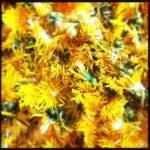
You can’t just throw fresh, wet flowers into oil. I learned that the hard way when my first batch grew fuzzy green mold in four days. Gross. You need to dry the heads first to remove the water content. I use a COSORI dehydrator ($49.99 on Amazon) for about 4 hours at 95°F. If you don’t have one, just leave them on a paper towel for 24 hours. Look, they should feel papery but not crumbled to dust.
Related Reading
Once they’re dry, I prefer using organic Sweet Almond Oil from Now Foods ($11.99 for 16oz). Fill a mason jar halfway with your dried flowers and cover them with the oil. This is the base of everything. If you use cheap vegetable oil, the salve will feel greasy and smell like a fryer. Don’t do that to yourself.
The Slow vs. Fast Infusion Method
I’m impatient, so I use the double-boiler method. Put the jar in a pot with water on low heat for 3-4 hours. Don’t let it boil! If you have time, the 4-week window-sill method is traditional, but honestly, the low heat method pulls out the medicinal properties faster and more effectively for my 2026 batches.
Mixing the Salve: The 4-to-1 Rule
Once you have your yellow-infused oil, you need to strain it through a cheesecloth. Squeeze it hard—get every drop. Now you need beeswax. I buy the yellow pellets from Sky Organics ($14.50 for a 1lb bag) because they melt way faster than the big blocks you have to grate.
The ratio is key: 4 ounces of oil to 1 ounce of beeswax. I use a digital kitchen scale to be precise. If you want it softer, like a cream, use a bit less wax. If you want it like a lip balm stick, use more. Melt them together in a glass bowl over simmering water until clear. It’s satisfying to watch, honestly.
Adding Essential Oils for an Extra Kick
Dandelions smell earthy, which is fine, but I usually add 10 drops of Plant Therapy Peppermint oil if it’s for my sore calves. For skin irritation or eczema, I’ll swap that for Lavender. Just don’t go overboard; a little goes a long way when you’re rubbing this into your pores.
Does it Actually Work for Pain?
Real talk: this isn’t Ibuprofen. It won’t fix a broken leg. But dandelions are packed with antioxidants and have mild anti-inflammatory properties that are great for that dull, achy feeling after a workout. I’ve found it particularly helpful for my ‘tech neck’ after staring at screens all day.
It’s also a powerhouse for dry skin. My heels get incredibly cracked every May when I start wearing sandals again, and this stuff heals them faster than any $50 department store cream I’ve tried. Plus, you know exactly what’s in it. No weird parabens or ‘fragrance’ that irritates sensitive skin.
Managing Your Expectations
Expect a soothing, warming sensation rather than an icy-hot blast. It takes about 10 minutes to really sink in. I usually apply it right after a shower when my skin is still slightly damp to lock in that moisture.
Harvesting Safety and Identification
Don’t just grab flowers from anywhere. This is where people mess up. Never pick dandelions from the side of a busy road because they soak up exhaust fumes and heavy metals. Also, make sure your neighbors haven’t sprayed their lawn with chemicals. I only pick from my own ‘wild’ patch in the backyard where I know it’s clean.
And make sure you’re getting actual dandelions (*Taraxacum officinale*). Some look-alikes like catsear have hairy leaves and branched stems. Real dandelions have one single, hollow, milky stem per flower. If the stem is solid or has leaves on it, leave it alone.
Timing Your Harvest
Pick them in the morning after the dew has dried but before the sun is at its peak. The flowers are most vibrant then. In May 2026, we had a wet spring, so I waited for a three-day dry spell to ensure the flowers weren’t waterlogged.
⭐ Pro Tips
- Add a teaspoon of Vitamin E oil ($9.00 at most drugstores) to act as a natural preservative and help the salve last up to 18 months.
- Use 2oz aluminum tins instead of glass jars. They are cheaper ($11.00 for a 12-pack) and won’t shatter if you drop them in the gym locker room.
- If your salve turns out too hard, don’t throw it away. Just melt it down again and add another tablespoon of oil.
Frequently Asked Questions
Can I use fresh dandelions for salve?
No. Fresh flowers contain water which will cause your oil to go rancid and grow mold within days. Always dry them for at least 24 hours until they feel papery.
Is dandelion salve good for eczema?
Yes, it is incredibly soothing. The anti-inflammatory properties help reduce redness and itching. I use it on my daughter’s dry patches and it works better than petroleum-based products.
What is the best oil for dandelion infusion?
Sweet Almond Oil or Extra Virgin Olive Oil are the best. They have a long shelf life and absorb well into the skin without feeling overly sticky or heavy.
Final Thoughts
Honestly, just go pick some flowers. It is a fun Saturday project, and your skin will thank you. Making your own medicine is empowering, especially when the ingredients are literally growing under your feet for free. Just remember to talk to your doctor if you’re on blood thinners or have severe seasonal allergies before slathering it on. Stay healthy and enjoy the harvest.



GIPHY App Key not set. Please check settings