



 Xplorely
Disclosure: This post may contain affiliate links. Purchases through these links support our site at no extra cost to you.
Okay, so I’ve been hearing a lot about the updated colorectal cancer screening guidelines, and honestly, it’s about time! For years, the go-to was always a colonoscopy, which, let’s be real, isn’t exactly a picnic. But now, there are some fantastic alternatives that are making screening way more accessible. I’ve been digging into this because, frankly, colon cancer is no joke, and getting screened is one of the most important things we can do for our health. So, let’s talk about what’s new and why it matters.
📋 In This Article
The Big News: More Ways to Screen
The big headline here is that the American Cancer Society and other major groups have updated their recommendations. This means more options beyond the traditional colonoscopy are now front and center. The main player I’m seeing a lot of buzz about is the Fecal Immunochemical Test, or FIT. It’s a stool test that checks for hidden blood in your stool, which can be an early sign of polyps or cancer. I tried one myself last year, and it was super simple – just collect a sample at home. Honestly, the convenience factor is huge.
Related Reading
What Exactly is a FIT Test?
So, a FIT test looks for the globin part of hemoglobin, which is only found in lower GI bleeding. This means it’s pretty specific for bleeding in your colon or rectum. You usually get a kit from your doctor, collect a sample using a special brush or swab, and mail it back. It’s non-invasive and you can do it in the comfort of your own bathroom. Pretty sweet deal, right?
How Often Do You Need to Get Screened?
This is where things get a little more nuanced. For average-risk adults, the general recommendation is to start screening at age 45. And here’s the crucial part: you should continue regular screening until age 75. For people between 45 and 75, the guidelines now strongly support using these newer, less invasive tests like the FIT if you’re up-to-date with them. If a FIT test comes back positive, that’s when a colonoscopy is recommended to investigate further. I think this is a smart approach – get people screened more easily, and then use the more intensive test when there’s a reason.
Why Age 45? The Shift Explained
You might be wondering why the age dropped from 50 to 45. Real talk: we’re seeing more cases of colorectal cancer in younger adults, and it’s often diagnosed at later stages. So, starting earlier is a proactive move to catch things before they become a big problem. It’s a shift based on current data, and I fully support it.
Colonoscopy vs. FIT: My Take
Look, I’m not going to lie, colonoscopies are still the gold standard for detecting polyps and cancer. They’re visual, and the doctor can remove polyps on the spot. I had mine done about three years ago, and while the prep wasn’t fun, the procedure itself was a breeze thanks to sedation. However, the barrier to entry for colonoscopies can be high – the prep, the time off work, the cost if you don’t have great insurance. That’s where FIT tests shine. They make screening accessible to so many more people.
What About Other Tests?
FIT isn’t the only alternative. There’s also the Cologuard test, which is a stool DNA test that looks for DNA changes and blood. It’s more expensive than FIT (around $650 without insurance, though often covered by insurance), and you do it every three years. Colonoscopies are typically every 10 years if clear. Sigmoidoscopies are another option, looking at the lower part of the colon, usually every 5-10 years.
Making the Choice: What Worked for Me
When it was time for my most recent screening, I actually opted for a FIT test kit that I got through my insurance provider. Honestly, the convenience was key. I just followed the instructions, mailed it back, and got my results within a couple of weeks. My result was negative, which was a huge relief. For me, the accessibility and ease of the FIT test meant I actually got screened on time. If my FIT had been positive, I would have scheduled a colonoscopy immediately. It’s all about finding a method that works for *you* and ensures you get screened regularly.
Don’t Forget the Doctor!
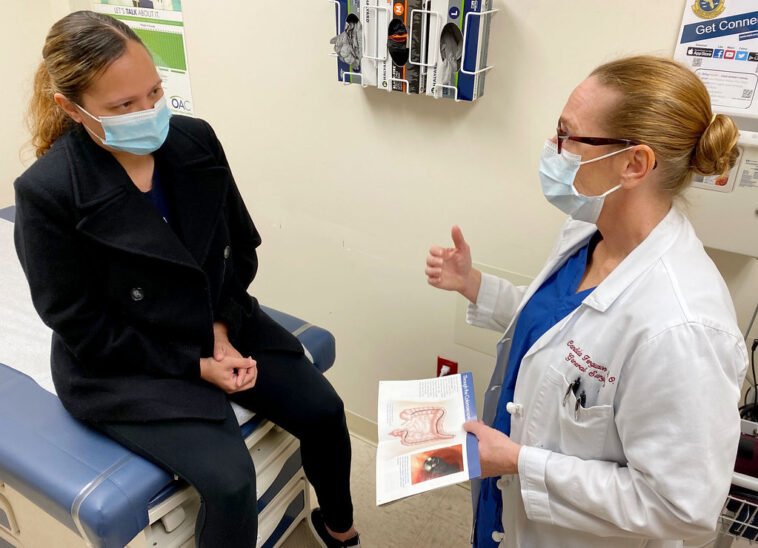
Seriously, this is the most important part. You absolutely need to talk to your doctor about which screening option is best for your individual health history and risk factors. They can guide you through the pros and cons of each test and help you set up a schedule. Don’t just pick something randomly from the internet, okay?
⭐ Pro Tips
- Check with your insurance provider for coverage on FIT kits (like the Exact Sciences Epi proColon test) or Cologuard. Many now cover these at 100% for average-risk individuals.
- If you’re self-pay, a year’s supply of home FIT kits can sometimes be found for under $100 (e.g., through services like LetsGetChecked or Everlywell, though always verify their current offerings and pricing).
- Procrastinating on the prep for a colonoscopy is a common mistake. Start hydrating and clearing your schedule a full day *before* you need to drink the prep solution.
Frequently Asked Questions
What are the new colorectal cancer screening guidelines 2026?
Screening is recommended for average-risk adults starting at age 45 and continuing until 75, with options like FIT tests now strongly supported alongside colonoscopies.
Is a FIT test as good as a colonoscopy?
No, a colonoscopy is more comprehensive. A positive FIT test requires a follow-up colonoscopy, but FIT is excellent for catching potential issues early and increasing screening rates.
What is the best at-home colorectal cancer test?
The FIT test is a great, affordable, and convenient at-home option. Cologuard is another, more expensive DNA-based test, doing it every 3 years.
Final Thoughts
So, there you have it. The colorectal cancer screening landscape is definitely evolving, and that’s a good thing! Having more accessible options like the FIT test means fewer excuses and more people getting checked. Remember, regular screening saves lives. Talk to your doctor, pick a test that fits your life, and get it done. Seriously, don’t wait.




GIPHY App Key not set. Please check settings