



 Xplorely
Disclosure: This post may contain affiliate links. Purchases through these links support our site at no extra cost to you.
Okay, so you know those super annoying aches that just won’t quit? And that dry skin that feels like sandpaper, especially in winter? I’ve found something that actually helps, and it’s ridiculously simple: dandelion salve. Seriously, I was skeptical too, but after whipping up a batch of this stuff last spring, I’ve been hooked. It’s my secret weapon for post-hike soreness and any random dry patches that pop up. Plus, making it is way more satisfying than buying some fancy cream.
📋 In This Article
Why Dandelions? They’re More Than Just Weeds!
I used to just see dandelions as something to pull from my lawn, but turns out, they’re packed with good stuff. For centuries, people have used them for all sorts of things. They’re known for having anti-inflammatory properties, which is exactly what you want when your muscles are screaming after a long walk or a tough workout. I’ve found that when I apply my homemade salve, I get a noticeable reduction in that deep ache. It’s not a miracle cure for a serious injury, but for everyday stiffness? It’s fantastic.
Related Reading
The Sciencey Bit (But Keep It Simple)
Dandelions contain compounds like sesquiterpene lactones and flavonoids. These are the heavy hitters that give them their anti-inflammatory and antioxidant powers. When you infuse them into an oil and then make a salve, you’re essentially concentrating those beneficial properties into something you can apply topically. I’ve read studies suggesting they can help with conditions like arthritis, though obviously, you should **check with your doctor** before relying on it for serious medical issues.
Gathering Your Dandelion Gold: When and Where
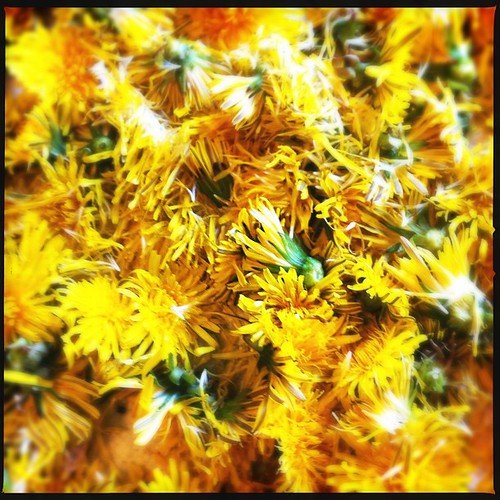
Timing is everything here. You want to harvest your dandelions when they’re fully bloomed, usually from late spring through early summer. I aim for May or June here in my part of the US. Look for them in areas you *know* haven’t been sprayed with pesticides or herbicides. Your own backyard (if you don’t use chemicals), local parks (check their rules!), or even just happy little patches along the roadside are great spots. I usually wear gloves and use scissors to snip the flower heads, gathering a good big basketful. You’ll need about 2 cups of packed flower heads for a decent batch of salve.
Pro Tip: Flower Heads Only!
When you’re collecting, focus just on the bright yellow flower heads. The leaves and stems can be a bit bitter and might not infuse as nicely. Just snip the head right below where the petals start. Easy peasy.
Making the Magic Happen: My Simple Salve Recipe
Honestly, this is so easy you’ll wonder why you ever bought expensive creams. You’ll need your 2 cups of dandelion flower heads (make sure they’re dry – I let mine sit out for a few hours to let any dew evaporate), about 1 cup of a carrier oil (I love using organic olive oil, but sweet almond oil or jojoba oil work great too), and about 1 ounce (roughly 2 tablespoons) of beeswax pellets. You’ll also need a double boiler or a heatproof bowl set over a saucepan with simmering water, and some clean glass jars or tins to store your finished salve. I usually use 4-ounce mason jars.
The Infusion Process
First, put your dandelion flower heads in a clean glass jar. Pour your carrier oil over them, making sure they’re completely submerged. Seal the jar and let it sit in a sunny spot for about 2-4 weeks. I shake it gently every few days. This step infuses the oil with all those dandelion goodies. Some people do a quick heat infusion, but I find the slow solar infusion gives a richer oil. After infusing, strain the oil through cheesecloth, squeezing out as much oil as you can. Discard the flowers.
Turning Oil into Salve: The Final Step
Now for the fun part! Gently melt your beeswax pellets in the top of your double boiler (or heatproof bowl). Once melted, slowly whisk in your dandelion-infused oil. Keep stirring over low heat until everything is combined and smooth. I usually test the consistency by putting a little bit on a cold plate – if it firms up nicely, it’s ready. If it’s too soft, add a tiny bit more beeswax; too hard, a splash more oil. Once it’s perfect, carefully pour the mixture into your clean jars or tins. Let them cool completely undisturbed. They’ll solidify into a lovely, firm salve.
Storage and Shelf Life
Keep your dandelion salve in a cool, dark place. Properly stored, it should last for at least a year, maybe even longer. I’ve had batches that lasted 18 months and were still perfectly good. It’s best used within a year for optimal potency, though.
⭐ Pro Tips
- Use organic oils like olive oil or almond oil for the best infusion. I usually buy a big bottle of organic EVOO from Costco for around $20.
- If you don’t have time for the 2-4 week infusion, you can do a faster heat infusion. Gently heat the oil and flowers in a slow cooker on the lowest setting for 4-6 hours, stirring occasionally. Just don’t let it get too hot, or you’ll cook the goodness out!
- Don’t forget to strain the oil thoroughly. Any bits of flower left behind can go rancid and spoil your salve.
Frequently Asked Questions
How do I use dandelion salve for sore muscles?
Gently massage a small amount into the affected area 2-3 times a day. It feels lovely and warming.
Is dandelion salve good for eczema?
Many people find it soothing for dry, irritated skin, including eczema patches. I use it for my dry elbows and it helps a lot.
What’s the best carrier oil for dandelion salve?
Organic olive oil is my favorite for its skin-loving properties and availability. Sweet almond oil or jojoba are also excellent choices.
Final Thoughts
Honestly, making your own dandelion salve is so rewarding. It’s a natural, effective way to deal with everyday aches and dry skin without all the weird chemicals. Plus, you get to feel like a bit of a kitchen alchemist! So next time you see those cheerful yellow flowers, think twice before you pull them. Gather them up, make some salve, and thank me later when your muscles feel better and your skin is happy.



GIPHY App Key not set. Please check settings