



 Xplorely
Disclosure: This post may contain affiliate links. Purchases through these links support our site at no extra cost to you.
Okay, so I’ve been reading more and more about how ultra-processed foods are linked to heart disease, and honestly, it’s not that surprising. I mean, I’ve cut down on them myself, and I feel SO much better. We’re talking about those packaged snacks, sugary drinks, pre-made meals… the stuff that’s convenient but usually loaded with stuff your body doesn’t need. The good news? Simple, healthy swaps can seriously lower your risk. I’ve tried a bunch, and I’m here to spill the tea on what actually works.
📋 In This Article
The Nitty-Gritty: Why Are These Foods So Bad?
Real talk: ultra-processed foods (UPFs) are designed to be hyper-palatable and shelf-stable. Think about your average bag of chips or a frozen pizza – they’re engineered. Studies, like the one from the University of Barcelona back in 2022 (and many since, including major cohort studies published in The Lancet), show a consistent link between high UPF consumption and increased risk of cardiovascular disease, stroke, and even early death. It’s not just the sugar and salt; it’s the emulsifiers, artificial sweeteners, and lack of fiber that seem to be the culprits, messing with your gut microbiome and inflammation levels. I used to grab a pre-packaged sandwich for lunch daily, and my energy levels were in the dumpster.
Related Reading
What Exactly Counts as Ultra-Processed?
It’s more than just ‘junk food.’ The NOVA classification system categorizes foods based on processing. UPFs are typically industrial formulations made from processed ingredients, often with additives like preservatives, emulsifiers, and artificial colors/flavors. Examples include packaged breads, cookies, sugary cereals, instant noodles, and most sodas. If the ingredient list reads like a chemistry experiment, it’s probably UPF.
My Go-To Healthy Swaps (That Actually Taste Good!)
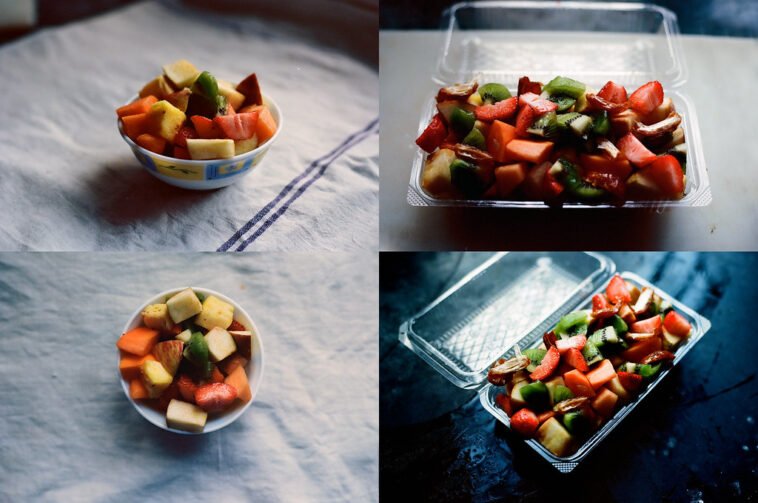
I’ve found that focusing on whole foods is key. Instead of grabbing a pre-made granola bar that’s probably packed with sugar, I’ll have a handful of almonds (about 23 almonds for 160 calories) or a small apple. For lunch, instead of that sad sandwich, I’ll whip up a big salad with grilled chicken or chickpeas, loads of veggies, and a simple olive oil and lemon juice dressing. It takes maybe 10 minutes, and I feel so much more satisfied. And for snacks? Forget the chips; I’m all about some Greek yogurt with berries (maybe 150g of yogurt with a cup of mixed berries, around 200 calories) or some carrots and hummus.
Breakfast Boost: Ditch the Sugary Cereal
Swap your frosted flakes for overnight oats! Mix 1/2 cup rolled oats with 1 cup of unsweetened almond milk (I like the Silk brand, about $3.99 for a half-gallon) and a tablespoon of chia seeds. Let it sit in the fridge overnight. In the morning, top with berries or a sprinkle of cinnamon. It’s fiber-rich and keeps me full until lunch.
Dinner Dilemmas Solved: Easier Than You Think
Frozen pizzas and boxed mac ‘n’ cheese are convenient, I get it. But I’ve gotten really good at quick, healthy dinners. My secret weapon? Sheet pan meals. This past Tuesday, I threw some salmon fillets (around $12.99/lb at my local Kroger) and chopped broccoli and sweet potatoes onto a baking sheet with some olive oil, salt, pepper, and paprika. Baked at 400°F (200°C) for about 20 minutes. Boom. Dinner is served. It’s way healthier than a frozen meal, and the cleanup is minimal. Another win for me was trying out pre-chopped veggies from Trader Joe’s ($2.99-$4.99 per bag) for stir-fries.
Lunchtime Liberation: Beyond the Deli Counter
Packing a lunch is a lifesaver. I’ll often make extra dinner to have leftovers, or I’ll prep a big batch of quinoa or brown rice on Sunday ($1.99 for a box of Uncle Ben’s). Then, during the week, I can quickly assemble bowls with roasted veggies, beans, and a healthy protein. Takes me maybe 5 minutes in the morning.
What To Expect When You Cut Back
Honestly, the first week or two can be a bit rough. You might crave those salty, sweet, or fatty UPFs. That’s totally normal. I experienced what I called ‘sugar withdrawal’ – a bit of a headache and general grumpiness. But stick with it! Within a few weeks, my taste buds started to recalibrate. Foods started tasting naturally sweeter, and I found I didn’t crave processed junk as much. My energy levels stabilized, my skin cleared up a bit, and I felt genuinely lighter. It’s like your body is thanking you. And that bloating I used to get after eating? Gone.
The ‘Why’ Behind the Changes
When you cut out UPFs, you’re reducing your intake of refined sugars, unhealthy fats, and sodium, all major contributors to heart disease. You’re also likely increasing your intake of fiber, vitamins, and minerals from whole foods. This combination helps lower blood pressure, improve cholesterol levels, and reduce inflammation – all critical for heart health.
⭐ Pro Tips
- Read labels religiously. If you can’t pronounce most of the ingredients, put it back. I aim for ingredient lists under 5 items.
- Buy in-season produce from local farmers’ markets when possible; it’s often cheaper and tastier. For example, in May, look for asparagus, strawberries, and radishes.
- Thinking you need to cut out *all* UPFs immediately. It’s more realistic to aim for reduction. Start with one meal or one category of food (like snacks) and build from there.
Frequently Asked Questions
How fast can healthy swaps lower heart disease risk?
While significant changes take time, you can see improvements in blood pressure and cholesterol within weeks to months of consistent healthy eating.
Are ultra-processed foods actually worth the convenience?
Honestly, no. The long-term health risks associated with UPFs far outweigh the short-term convenience. Your future self will thank you for making the switch.
Best alternative to chips for snacking?
Try air-popped popcorn with a sprinkle of nutritional yeast (about $4.99 for a container) or roasted chickpeas. They offer crunch and fiber without the UPF downsides.
Final Thoughts
Look, nobody’s perfect, and I still have a cookie now and then. But making conscious choices to reduce ultra-processed foods is one of the best things you can do for your heart and your overall well-being. Start small, focus on adding in more whole foods, and be patient with yourself. Your body will thank you.



GIPHY App Key not set. Please check settings