



 Xplorely
Disclosure: This post may contain affiliate links. Purchases through these links support our site at no extra cost to you.
Look, I’m tired of fitness apps that promise a six-pack in two weeks. It’s June 2026, and I’ve spent the last six months testing the best workout apps 2026 has to offer. Some were absolute garbage, but a few have genuinely stuck in my routine. I don’t care about marketing fluff; I care about whether I can actually finish a session without wanting to throw my phone. If you’re looking for a setup that works, here’s my no-nonsense take on what’s worth your time and what’s just taking up space.
📋 In This Article
For the Heavy Lifters: Strong and JEFIT
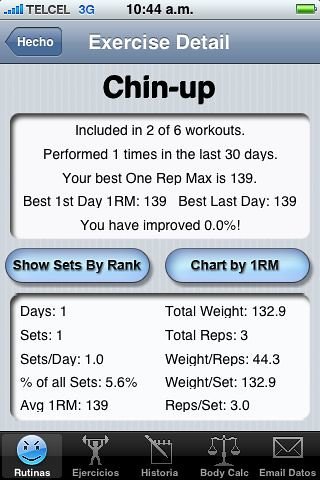
If you want to get stronger, stop doing random circuits. You need to track your progressive overload. I’ve used Strong ($4.99/month) for years because the interface is dead simple. You just log your sets, reps, and weight. That’s it. No annoying coaches yelling at you through the screen. For something a bit more data-heavy, JEFIT ($6.99/month) is my go-to. It has a massive library of exercises and lets you build custom routines easily. I used JEFIT during my last block of hypertrophy training, and it kept me honest with my rest times. Seriously, if you aren’t tracking your lifts, you’re just guessing. Don’t guess. Check with your doctor before starting any heavy lifting program, especially if your back has been acting up.
Related Reading
Why simple tracking wins
Tracking makes you accountable. When you see your numbers from last week, you naturally want to beat them. I usually aim for a 2.5% increase in weight every two weeks. It’s not much, but over a year, that’s massive progress.
For HIIT and Cardio: Nike Training Club
Okay, so Nike Training Club (NTC) is still the king of free. It’s honestly wild that they don’t charge for this stuff. I use their HIIT sessions when I’m short on time and need to sweat. They have everything from 15-minute bodyweight burners to 45-minute yoga flows. I’ve done their mobility routines on Sunday mornings to fix my stiff hips, and they actually work. You don’t need a gym membership for these, which is a huge plus. Just make sure you’ve got enough space in your living room so you don’t kick your coffee table. It happens. Trust me.
The best free value
You get hundreds of workouts for zero dollars. The production quality is high, the coaches aren’t annoying, and the app doesn’t crash constantly. It’s the best entry point for anyone starting out.
The Premium Choice: Peloton App One
I know, I know—Peloton is a brand, but the app is actually solid. I pay for the App One tier ($12.99/month), which gives me access to strength, yoga, and outdoor running classes. I don’t even own the bike. If you like high-energy instructors, this is your best bet. I love their outdoor audio runs; they make a boring jog around the block feel like an event. Just don’t get sucked into the ‘leaderboard’ if you’re feeling competitive, because it’ll ruin your recovery day. Also, check with your doctor before starting high-intensity interval training if you have any history of heart issues.
Is the subscription worth it?
If you struggle with motivation, yes. Having a coach in your ear telling you to push for 30 more seconds helps you work harder than you would on your own. It’s worth the twelve bucks.
For Flexibility and Longevity: GOWOD
We all ignore mobility until we get injured. I started using GOWOD ($9.99/month) after a nagging shoulder issue wouldn’t go away. You input your mobility tests, and it creates a custom routine for you. I do a 15-minute session three times a week. Honestly, it’s boring, but it’s the most important thing I do for my physical health. I’ve noticed a huge difference in my squat depth and my overhead press stability. If you spend all day hunched over a laptop, you need this. It’s not flashy, but it works better than any ‘magic’ supplement I’ve ever tried.
Don’t skip the mobility
Mobility is the insurance policy for your joints. If you want to keep training into your 40s and 50s, you have to prioritize this stuff today. Just 10 minutes a day makes a massive difference.
⭐ Pro Tips
- Use the free version of Strong for a month before paying; you might not need the premium features.
- Save $50+ a year by opting for annual billing on apps like GOWOD instead of monthly cycles.
- Beginners often try to do too many workouts at once; start with three days a week and actually finish them.
Frequently Asked Questions
Are free workout apps actually any good?
Yes, they are. Apps like Nike Training Club offer professional-grade programming for free. You don’t need to pay for a subscription to get a world-class workout if you have the discipline to show up.
Is a paid fitness app subscription worth it?
It is worth it if you need external motivation or specialized coaching. If you already have a solid routine, save your money. If you’re struggling to stay consistent, the social features are worth the cost.
What is the best workout app for beginners?
Nike Training Club is the best for beginners. It’s free, the UI is clean, and the workouts are scaled for all fitness levels. It’s the easiest way to start without getting overwhelmed by data.
Final Thoughts
At the end of the day, the best app is the one you actually open. I’ve wasted money on fancy platforms that I never used. Start with the free versions of NTC or Strong. Once you’ve built the habit for 30 days, then consider a paid subscription if you need more variety. Keep it simple, track your progress, and listen to your body. Now, go get that workout done.




GIPHY App Key not set. Please check settings