



 Xplorely
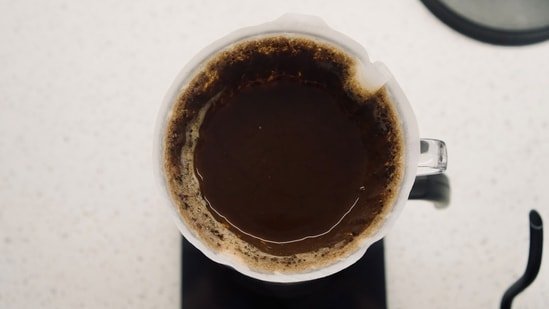
Okay, so let’s talk about coffee. You know, that glorious morning ritual that kickstarts so many of our days. For years, I’ve heard all the chatter – good for you, bad for you, don’t drink too much, drink more! But lately, especially here in April 2026, there’s been some really interesting buzz about how 2 to 3 cups of coffee daily may actually help lower stress and improve mental health. And honestly? I’ve been seeing it in my own life. I used to think of my morning brew as just a wake-up call, but after digging into the research and really paying attention to how it makes *me* feel, I’m convinced there’s more to it. This isn’t just about avoiding the morning slump; it’s about finding a rhythm that supports your brain and your mood. Trust me, I’m not just saying this because I love a good latte. I’ve actually felt the difference.
📋 In This Article
- The Brain Science (Without the Jargon): Why Coffee Can Feel So Good
- My Personal Coffee Journey: Finding My Mental Health Sweet Spot
- Beyond Just Stress: Other Perks (But Let’s Keep It Real)
- The Downside & When to Seriously Pump the Brakes
- My Daily Grind (Pun Intended): How I Brew for Better Mood
- It’s a Tool, Not a Total Fix: The Bigger Picture for Mental Health
- ⭐ Pro Tips
- ❓ FAQ
The Brain Science (Without the Jargon): Why Coffee Can Feel So Good
So, what’s actually going on up there when you sip your espresso? It’s pretty cool, actually. Caffeine, the star of the show, is a stimulant, yeah, but it’s also a bit of a sneaky little blocker. It essentially blocks adenosine, which is a neurotransmitter that makes you feel sleepy. When adenosine is blocked, other feel-good neurotransmitters like dopamine and norepinephrine can do their thing more effectively. That’s why you often feel more alert, focused, and sometimes, just a little bit happier after a cup. For me, it’s not just the energy boost; it’s that feeling of clarity, like the mental fog just lifts. I’ve found that sweet spot, around my second cup, where I’m not jittery but definitely more engaged with my work and less prone to those nagging stress thoughts. It’s like my brain just hums along a bit smoother.
Not All Caffeine is Created Equal
Look, a cup of coffee isn’t just a cup of coffee. The caffeine content can vary wildly. A standard 8oz (237ml) brewed coffee typically has around 95mg of caffeine. But a Starbucks Venti (20oz/591ml) Pike Place can hit you with 410mg! That’s a huge difference. You’ve gotta be aware of what you’re actually consuming. I stick to standard brewed coffee, usually from my AeroPress, so I can control the strength.
Timing is Everything, Trust Me
This is a big one. I used to grab coffee the second I woke up. But I’ve learned (and research backs this up) that waiting about 60-90 minutes after waking can be more beneficial. Your body naturally produces cortisol, a stress hormone, in the morning to wake you up. Drinking coffee too soon can interfere with this natural rhythm, potentially leading to a bigger crash later. I aim for my first cup around 8:30 AM if I wake up at 7 AM. It works wonders.
Related Reading
My Personal Coffee Journey: Finding My Mental Health Sweet Spot
I’ve been a coffee drinker for years, but it wasn’t until about two years ago that I really started paying attention to how it impacted my mood and stress levels, not just my energy. I was going through a particularly demanding period at work, and I noticed that on days I skipped my usual 2-3 cups, I felt more irritable and overwhelmed. It wasn’t just withdrawal; it was a genuine dip in my ability to handle minor frustrations. I started tracking my intake and mood in a simple journal. My sweet spot consistently landed at two, sometimes three, 8-ounce cups of black coffee before 2 PM. Any more, or any later, and I’d get the jitters and my sleep would suffer – which, let’s be real, just makes everything worse. This isn’t a magic pill, but it’s definitely a reliable tool in my daily mental health toolkit, helping me feel a bit more resilient against the daily grind.
Finding Your Sweet Spot (It’s Not One-Size-Fits-All)
Your mileage may vary, right? What works for me might not be perfect for you. Start small. If you’re not a regular coffee drinker, begin with one small cup and see how you feel. Pay attention to your body: do you feel alert and focused, or anxious and wired? Adjust based on your individual reaction. It’s all about listening to your body, not just following a number.
The Decaf Dilemma (When to Switch)
Okay, so what if you love the taste but can’t handle the caffeine? Decaf is your friend! I’ve been experimenting with high-quality decaf (like Lavazza Dek or Stumptown’s Trapper Creek Decaf) for my afternoon cup. It still gives me the ritual and warmth without impacting my sleep. Some studies even suggest decaf can offer some antioxidant benefits, so you’re not missing out entirely on the good stuff.
Beyond Just Stress: Other Perks (But Let’s Keep It Real)
While the stress and mental health angle is what got me really looking at coffee differently, it’s worth mentioning that there’s a whole body of research pointing to other benefits. We’re talking about things like a reduced risk of certain diseases, improved physical performance, and even a longer lifespan. I’m not saying coffee is a cure-all, absolutely not. But it’s interesting to see how something so many of us enjoy daily can have these widespread, positive effects when consumed responsibly. It’s part of a bigger picture of healthy living, you know? Like, it complements good sleep and exercise; it doesn’t replace them. It’s just another piece of the wellness puzzle that, when it fits, makes things a bit smoother.
Heart Health & Longevity: A Bonus?
Some pretty compelling studies, including a huge one published in the European Journal of Preventive Cardiology in 2022, suggest moderate coffee consumption (again, that 2-3 cups daily) is linked to a lower risk of heart disease and a longer life. It’s not a direct cause-and-effect, but it’s definitely a consistent association that’s hard to ignore. I mean, who doesn’t want a healthy heart?
What About Sleep? (The Elephant in the Room)
This is where people get tripped up. While coffee can boost focus, too much, especially too late in the day, will absolutely wreck your sleep. I cut off caffeine around 2 PM, maybe 3 PM at the latest if I’m having a super light tea. Your body needs about 5-6 hours to clear half of the caffeine you consume. So, a 4 PM espresso? You’re still feeling it at 10 PM. Not ideal for winding down.
The Downside & When to Seriously Pump the Brakes
Okay, real talk: coffee isn’t for everyone, and even for those of us who love it, there’s a limit. If you’re prone to anxiety, panic attacks, or have certain heart conditions, coffee can absolutely exacerbate those issues. I’ve had days where I’ve accidentally had too much (hello, extra large coffee on an empty stomach!), and I felt like my heart was doing a drum solo and my brain was running a marathon without me. It’s not fun. That’s why listening to your body is crucial, and honestly, don’t be afraid to pull back if you’re feeling overwhelmed or jittery. This isn’t about pushing through discomfort; it’s about finding what genuinely supports your well-being. And that support looks different for everyone.
When Coffee Turns on You (Anxiety & Jitters)
If you find yourself feeling restless, irritable, having trouble concentrating (ironically), or experiencing heart palpitations after coffee, you’re probably overdoing it. Or maybe your body just doesn’t process caffeine efficiently. It’s a sign to cut back, try decaf, or explore other energy-boosting strategies. There’s no shame in admitting it’s not working for you.
The Doctor’s Orders (Seriously, Talk to Them)
This is the most important part. If you have any underlying health conditions — heart issues, anxiety disorders, acid reflux, pregnancy, or if you’re on certain medications — you absolutely need to check with your doctor before making any significant changes to your coffee intake. They know your specific health profile and can give you personalized advice. My advice is based on general trends and my own experience, but your doctor’s word is gold.
My Daily Grind (Pun Intended): How I Brew for Better Mood
So, how do I actually get those 2-3 cups in without going overboard? It starts with the beans. I prefer whole beans, usually a medium roast, and grind them fresh every morning. Right now, I’m really digging ‘The Daily’ from Stumptown Coffee Roasters, or if I’m feeling fancy, a bag of Lavazza Super Crema. Grinding them fresh makes a huge difference in flavor, and I swear, the aroma alone is a mood booster. My go-to brewing method is usually my trusty Hario V60 pour-over kit. It takes about 3 minutes, and it’s a nice, mindful start to the day. For my second cup, sometimes I’ll do another pour-over, or if I’m in a rush, a quick shot from my Breville Barista Express. It’s about consistency and quality, not just chugging whatever’s cheapest. Quality beans just taste better and feel better.
My Daily Grind (Literally)
I use a Baratza Encore grinder, set to a medium-fine grind for pour-over. This ensures an even extraction and a smooth, flavorful cup. Skipping the pre-ground stuff is a game-changer for taste and, I think, for the overall ritual. It makes those 2-3 cups feel like a treat, not just a necessity.
The Add-Ins That Matter (And the Ones That Don’t)
I keep it simple: a splash of unsweetened almond milk (Califia Farms is my favorite) and sometimes a tiny sprinkle of Ceylon cinnamon. No sugar, no artificial sweeteners. I’ve found that cutting out added sugars in my coffee helps prevent those energy spikes and crashes that can actually worsen stress later. Keep it clean for maximum benefit.
It’s a Tool, Not a Total Fix: The Bigger Picture for Mental Health
Okay, so we’ve established that 2-3 cups of coffee daily can be a really helpful ally in managing stress and boosting mental clarity for many people. But here’s the kicker: it’s not a magic bullet. It’s one piece of a much larger puzzle when it comes to mental health. You can’t just chug coffee and expect all your stress to disappear if you’re also sleeping four hours a night, eating junk, and never moving your body. It just doesn’t work like that. I view coffee as a supportive tool, something that enhances my other healthy habits. It helps me focus on my meditation, power through a workout, or concentrate on a challenging task. Without those foundational habits, coffee’s benefits would probably be pretty minimal, or even counterproductive. It’s about balance, always.
It’s a Tool, Not the Whole Toolbox
Think of coffee as a good wrench, but you still need the hammer, screwdriver, and level to build something solid. For mental health, that means regular exercise (even just 30 minutes of brisk walking), a balanced diet, adequate sleep (aim for 7-9 hours), and stress-reduction techniques like meditation or deep breathing. Coffee can help you engage with these better.
Other Habits That Actually Move the Needle
Beyond the coffee, I’ve found consistency with a few things makes the biggest difference: 20 minutes of outdoor walking daily, a solid eight hours of sleep (I use an Oura Ring to track this), and a weekly therapy session. These are the heavy hitters. Coffee just gives me that extra edge to show up for them consistently. Don’t underestimate the power of the basics.
⭐ Pro Tips
- Wait 60-90 minutes after waking for your first cup to align with your natural cortisol rhythm. Seriously, try it for a week.
- Invest in quality whole beans and a simple grinder (like a Hario Mini-Slim for about $35 USD) – the taste and aroma boost your mood before you even take a sip.
- Cut off caffeine intake by 2 PM for optimal sleep. If you need an afternoon boost, switch to decaf or a short walk.
- Track your coffee intake and mood for a week in a simple notebook. You’ll quickly see your personal sweet spot for 2-3 cups daily.
- If you’re feeling jittery, try adding a pinch of sea salt to your coffee. It can sometimes help balance the effects, and some people swear by it.
Frequently Asked Questions
Is 2-3 cups of coffee daily actually good for stress?
For many, yes, current thinking suggests moderate coffee intake (2-3 cups) can help lower stress and improve mental clarity. It’s about finding your personal sweet spot and listening to your body’s reaction to caffeine.
How much does a good bag of coffee beans cost?
A quality 12oz (340g) bag of whole coffee beans typically runs $15-$25 USD in 2026. My favorite Stumptown ‘The Daily’ is usually around $18, which lasts me about a week and a half.
Is coffee worth it for mental health benefits?
Absolutely, for me it is. When consumed mindfully and in moderation, the focus and mood boost from 2-3 cups of coffee daily are incredibly valuable. It’s a tool, not a fix, but a powerful one.
What’s the best alternative to coffee for energy?
For a natural energy boost without caffeine, I’d recommend a brisk 20-minute walk outdoors, especially in the morning light. Cold showers or a strong herbal tea like peppermint can also help.
How long does coffee stay in your system?
Caffeine’s half-life is typically around 5-6 hours, meaning it takes that long for your body to eliminate half of the caffeine you consumed. Full elimination can take up to 10 hours or more for some.
Final Thoughts
So, here’s my take on the whole 2 to 3 cups of coffee daily for mental health thing: it’s not just hype. From my own experience and what I’m seeing in the current research, a moderate, mindful approach to coffee can absolutely be a positive force in managing stress and boosting your brainpower. It gives me that subtle lift, that focus, and frankly, just makes me feel a bit more ready to tackle whatever the day throws at me. But remember, it’s about *your* body, *your* limits, and always, always checking in with your doctor, especially if you have existing health concerns. Try experimenting with your timing, your brew, and your quantity. You might just find that your daily cup (or two, or three!) is doing more for you than you ever realized. Drink smart, feel good.




GIPHY App Key not set. Please check settings