



 Xplorely
Disclosure: This post may contain affiliate links. Purchases through these links support our site at no extra cost to you.
Look, I get it. Medical bills are the absolute worst. Last year, I had an unexpected $2,400 dental procedure that wasn’t fully covered by my insurance. I didn’t have that kind of cash sitting in my savings account. That’s when I finally used my CareCredit credit card. It’s essentially a specialized credit card for health expenses. It isn’t a magic wand, but if you play by their rules, it can stop a $2,000 bill from ruining your month. I’m going to share the good, the bad, and the ugly.
📋 In This Article
How the Deferred Interest Trap Works
The biggest thing you need to know about the CareCredit credit card is the ‘deferred interest’ policy. If you charge $200 or more, you often get a promotional window—usually 6, 12, 18, or 24 months—where you pay zero interest. Sounds great, right? Here’s the catch: if you don’t pay the full balance off before that specific window closes, they hit you with all the backdated interest from day one. And I’m talking about an APR that is usually north of 26.99% in 2026. It’s not a grace period; it’s a gamble. I set up autopay for the exact amount needed to clear the balance two months before the deadline. Don’t rely on your memory.
Related Reading
The Math Behind the Payments
Take that $2,400 bill I mentioned. If I chose an 18-month plan, I divided $2,400 by 18, which is roughly $133.34. I set my autopay to $150 just to be safe. If you miss even one payment, the promotional offer can be voided. Seriously, double-check your billing statement every single month.
Where You Can Actually Use It
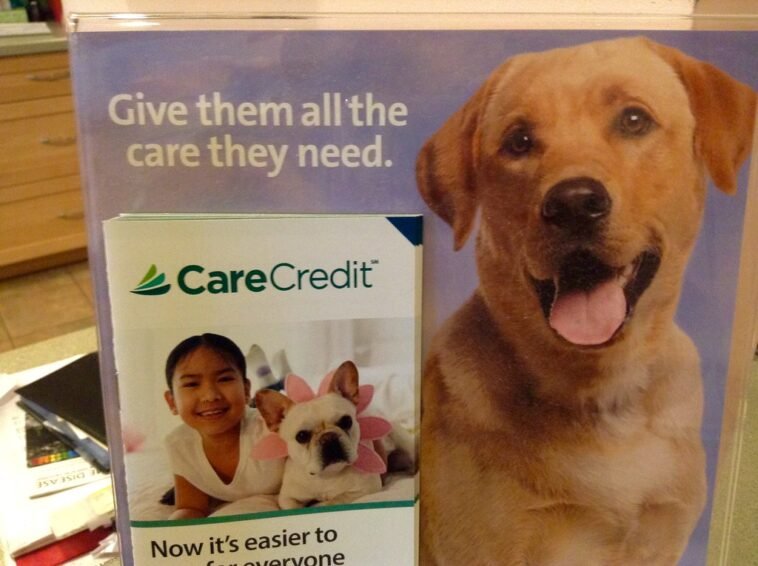
You can’t just walk into any random store and use this card. It’s accepted at over 250,000 providers in the US. I’ve used it for my dentist, my optometrist for some pricey contacts, and even a dermatologist appointment. It’s great for elective stuff like LASIK or cosmetic procedures, but it’s also a lifesaver for unexpected vet bills. My dog had a scare last winter, and the vet office took it. That was a huge relief. Just make sure you call your doctor’s office first to confirm they accept it before you show up. It’s not universal.
Check Your Provider Network
Use the provider locator on their website. I once showed up to a new specialist assuming they took it because they were in a big hospital network, but they didn’t. Always confirm with the front desk staff before you get any work done.
Is It Better Than a Regular Credit Card?
Honestly? Sometimes. If you have a regular credit card with a 0% APR introductory offer, use that instead. Why? Because regular cards don’t have that nasty ‘deferred interest’ clause where they retroactively charge you if you miss a single payment. CareCredit is a tool for when you don’t have a high-limit travel card or a low-interest personal loan. If you have good credit, you might find a bank card with a better safety net. I keep CareCredit strictly for health emergencies because it keeps my medical spending separate from my daily coffee and grocery budget. It helps me stay organized.
When to Avoid CareCredit
Avoid it if you have a history of missing payments. If you can’t pay the full balance within the promotional window, the interest rates will destroy your budget. Check with your doctor or financial advisor to see if they offer in-house payment plans first.
My Personal Strategy for Success
I treat this card like a short-term loan, not a credit card. I never carry a balance beyond the promotional period. I keep the card in a drawer, not my wallet, so I’m not tempted to use it for non-medical things. If you get approved for a limit—say $5,000—don’t feel like you have to spend it all. Only use it for the specific procedure you planned. If you keep your utilization low, your credit score won’t take a massive hit. It’s all about discipline. If you know you’re the type to let a balance sit, stay far away from this card.
The 20% Rule
Try to keep your balance at or below 20% of your total credit limit. Even if the promotional interest is 0%, high utilization can hurt your credit score. If you need a higher limit, ask for a CLI (credit limit increase) via the app.
⭐ Pro Tips
- Always pay at least $20 extra per month to ensure you clear the balance before the promotional period ends.
- Download the CareCredit app to track your ‘Interest-Free’ expiration dates; they are easy to miss.
- Don’t apply for this card at the doctor’s office front desk if you’re feeling pressured; check your credit score on Credit Karma first.
Frequently Asked Questions
Does CareCredit hurt your credit score?
Yes, applying for it triggers a hard inquiry, which can temporarily drop your score by a few points. However, keeping the balance low and paying on time helps your score in the long run.
Is CareCredit actually worth it?
Yes, if you have a large, unexpected medical bill and can guarantee you will pay it off before the interest-free period ends. If you might struggle with payments, it is definitely not worth it.
Best alternative to CareCredit?
A 0% APR intro credit card from a major bank is usually better because they don’t have the backdated interest penalty. If you have good credit, look at cards like the Chase Freedom Flex.
Final Thoughts
Look, CareCredit is a solid tool if you’re disciplined. It saved me from a massive bill, but it’s not free money. If you use it, treat it like a serious financial obligation. Always check with your doctor about in-house plans first, and if you go with CareCredit, set up that autopay. You’ve got this. Just keep your eyes on the fine print and don’t let those promotional windows sneak up on you.




GIPHY App Key not set. Please check settings