



 Xplorely
Disclosure: This post may contain affiliate links. Purchases through these links support our site at no extra cost to you.
Okay, so I saw the headlines again recently, about how the UK’s healthy life expectancy has actually fallen over the past decade. It’s a bit of a gut punch, right? We’re living longer, sure, but not necessarily *healthier* for those extra years. For me, that’s not the goal. I don’t just want to exist; I want to feel good, have energy, and keep doing the things I love well into old age. This news really hit home and made me think about all the little choices we make every single day.
📋 In This Article
It’s Not Just About Living Longer, It’s About *Thriving* Longer
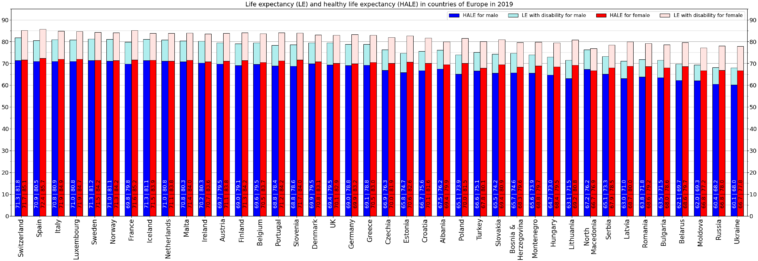
When we talk about “healthy life expectancy,” we’re not just looking at how many years you’ve got on the clock. It’s about how many of those years you can expect to live without major health issues or disabilities that limit your daily life. Think about it: walking to the shop, playing with grandkids, travelling – that’s thriving. The Office for National Statistics (ONS) data has shown this decline, particularly for women in some areas. And honestly, it’s a wake-up call. We’re seeing more chronic conditions earlier, things like type 2 diabetes, heart disease, and even some forms of dementia. It’s not just genetics; a lot of it comes down to our modern lifestyles.
Related Reading
Why Are We Seeing This Decline?
Look, it’s complex, but some big factors jump out. We’ve got rising obesity rates, which directly link to diabetes and heart issues. There’s also increasing mental health strain, which we know impacts physical health. Then you’ve got things like air pollution, less access to green spaces, and a healthcare system under immense pressure. It’s not one thing; it’s a whole cocktail of modern living.
Ditching the Ultra-Processed and Moving My Body (Even When I Don’t Wanna)
This news just reinforces what I’ve been feeling and doing for years. My approach isn’t revolutionary, but it works. First, food. I try to stick to a mostly whole-food diet, heavy on vegetables, fruits, lean proteins, and healthy fats. I’m not perfect, nobody is, but I actively avoid anything with a massive ingredient list I can’t pronounce. I’ve found cutting down on ultra-processed foods – those sneaky things like packaged biscuits, ready meals, and sugary drinks – has made a huge difference in my energy and digestion. Honestly, I thought I’d miss them more, but once you break free, you feel so much better.
My Go-To Meal Strategy
I aim for plenty of fibre and protein at every meal. My breakfasts are usually Greek yogurt with berries and nuts, or eggs with spinach. Lunches are big salads with chickpeas or chicken. Dinners are often roasted veggies with fish or a lentil dahl. I cook most of my meals from scratch, maybe three or four times a week, and then batch cook so I have leftovers. It saves money too, which is a bonus with grocery prices these days.
The Unsung Heroes: Quality Sleep and Taming Stress
You can eat all the kale and run all the marathons, but if your sleep is rubbish and your stress levels are through the roof, you’re fighting an uphill battle. I learned this the hard way. I used to think I could ‘power through’ on five hours of sleep. Big mistake. Now, I prioritize 7-8 hours. That means no screens an hour before bed and a cool, dark room. I also try to manage stress with short walks outside, even just 15 minutes, or a quick meditation using the Calm app (I pay the £35 annual subscription for it, totally worth it).
My Must-Have Supplements (And What I Skip)
Okay, supplements are a minefield, right? Most of them are just expensive pee. But a few I genuinely feel make a difference, and my doctor agrees:
1. **Vitamin D3:** Especially living in the UK, we just don’t get enough sun. I take 2000 IU (50mcg) daily from BetterYou (their spray is great, around £9.99 for a 100-dose bottle). It’s crucial for bone health and immunity.
2. **Omega-3 (Fish Oil):** For brain and heart health. I use Nordic Naturals Ultimate Omega, 2 soft gels daily, which gives me about 1280mg total Omega-3s. It’s pricier, usually around £25-£30 for 120 soft gels, but it’s high quality and doesn’t give me fish burps.
3. **Magnesium Bisglycinate:** Helps with sleep and muscle relaxation. I take 200mg before bed. I like the brand Bio-Tech, about £15 a bottle.
Things I skip? Anything promising “detox” or “fat burning.” Total marketing fluff. Always check with your doctor before starting any new supplements, especially if you’re on medication.
Don’t Forget Your People – And Your GP
Humans are social creatures, and isolation is a real health risk. I make a point to connect with friends and family regularly. Whether it’s a weekly video call with my sister in Canada or coffee with a local friend, those connections are vital for mental well-being, which absolutely trickles down to physical health. It’s easy to get caught up in busy life, but scheduling that time is non-negotiable for me now. And look, don’t ignore your GP. Regular check-ups, blood tests, and talking through any concerns are crucial. They’re your first line of defence.
Why Regular Check-ups Aren’t Just for Emergencies
It’s not just about going when you’re sick. An annual check-up can catch things early – blood pressure, cholesterol, blood sugar. My doctor spotted my slightly elevated cholesterol a couple of years ago, and we made some dietary tweaks that brought it right back down. Small interventions early can prevent bigger problems later. Trust me, it’s worth the half-hour appointment.
⭐ Pro Tips
- Start with one small change: Swap sugary drinks for water for a week. See how you feel.
- Get a step tracker (I use an Apple Watch Series 9, but a basic Fitbit Charge 6 for around £130 works great too) and aim for 7,500-10,000 steps daily.
- Batch cook a big pot of lentil soup or chili on a Sunday – it’ll give you healthy lunches for days and save you buying expensive takeaways.
Frequently Asked Questions
Why is healthy life expectancy falling in the UK?
It’s due to a mix of rising obesity, increased chronic diseases, mental health challenges, and lifestyle factors like poor diet and inactivity.
Is it too late to improve my own healthy life expectancy?
Absolutely not. Small, consistent changes to diet, exercise, sleep, and stress management can significantly improve your health trajectory at any age.
What’s the most effective single change I can make for better health?
Cutting out ultra-processed foods is probably the biggest bang for your buck. It naturally leads to eating more whole, nutrient-dense ingredients.
Final Thoughts
So yeah, the news about the UK’s healthy life expectancy falling is a bummer, but it’s also a powerful motivator. We can’t control everything, but we *can* take charge of our daily habits. For me, it boils down to eating real food, moving my body consistently, getting proper sleep, managing stress, and staying connected. Start small, be consistent, and always, always chat with your doctor about what’s right for you. Your future self will thank you.




GIPHY App Key not set. Please check settings