



 Xplorely
Disclosure: This post may contain affiliate links. Purchases through these links support our site at no extra cost to you.
Okay, so you want to feel better, right? You’re probably seeing a million “health hacks” pop up on your feed every day, and honestly, it’s exhausting. I’ve been there, chasing the next big thing, buying all the expensive supplements, only to feel overwhelmed and, frankly, a bit scammed. But after years of trying *everything* – and I mean everything – I’ve realized that the real magic, the actual lasting change, comes from a few truly timeless habits for better health. These aren’t fancy, they aren’t complicated, and they don’t require you to buy a $300 juicer. This is just practical, beginner-friendly advice that I’ve seen work for myself and so many others. Trust me, these are the habits you can stick with, the ones that build a foundation for feeling genuinely good.
📋 In This Article
- Get Your Zzz’s: Why Sleep Isn’t Optional
- Drink Up, Buttercup: The Power of Just Water
- Just Move Your Body: It Doesn’t Have To Be Intense
- Real Food, Real Results: Ditch the Ultra-Processed Stuff
- Protein Isn’t Just for Bodybuilders (It’s for Everyone!)
- Chill Out: Taming That Constant Background Noise
- ⭐ Pro Tips
- ❓ FAQ
Get Your Zzz’s: Why Sleep Isn’t Optional
Look, I used to be the worst sleeper. I’d brag about getting by on five hours, chugging coffee all day, and wondering why I felt constantly wired and tired. Real talk: sleep is probably the single most underrated health habit out there. It’s when your body repairs itself, your brain processes information, and your hormones get regulated. If you’re not sleeping well, everything else you try – diet, exercise, supplements – is working uphill. I’m talking 7-9 hours, consistently. It’s not a luxury; it’s a non-negotiable biological need. For me, prioritizing sleep has been the biggest game-changer. Honestly, I feel like a different person now that I consistently hit my 7.5-8 hours.
Related Reading
My 9 PM Wind-Down Ritual
Here’s what works for me: by 9 PM, all screens are off. That means no phone scrolling, no TV. I’ll read a physical book, listen to some chill lo-fi music, or do a super quick 10-minute stretching routine. I also dim the lights in the house, like, *really* dim them. It signals to my brain that it’s time to start producing melatonin. I also love using a good quality sleep mask – the MZOO Sleep Eye Mask (around $20 USD on Amazon) has been a lifesaver for blocking out light completely.
What About Sleep Aids? (And What I’ve Tried)
I’ve dabbled! For a while, I tried a low-dose melatonin, about 1-3mg, thirty minutes before bed. It helped some, especially when my schedule was off. But honestly, building a solid routine was more effective long-term. I’ve also tried magnesium glycinate (Thorne Research is my go-to brand) – about 200mg before bed. It helps relax muscles and can improve sleep quality for some people. Always check with your doctor before starting any new supplement, though, especially with melatonin.
Drink Up, Buttercup: The Power of Just Water
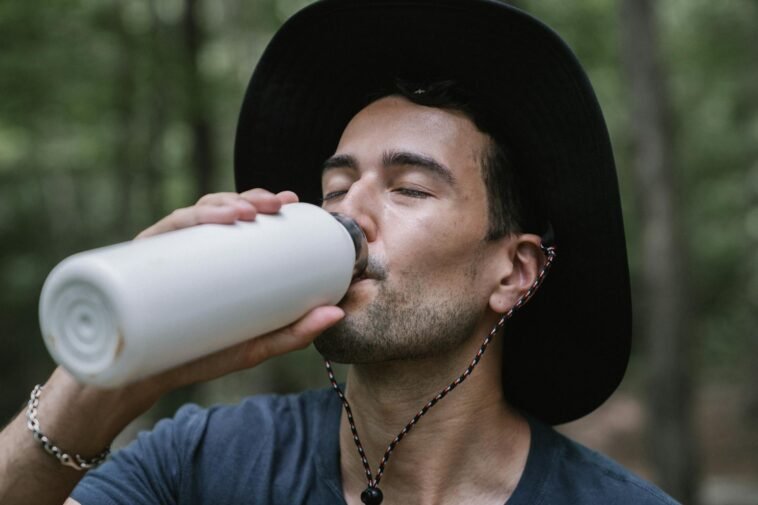
This one sounds ridiculously simple, right? “Drink more water.” Yeah, yeah, heard it a million times. But seriously, are you *actually* doing it? Most people aren’t. Dehydration can sneak up on you, causing fatigue, headaches, poor concentration, and even messing with your metabolism. I used to think I was drinking enough, but then I started tracking it, and wow, I was way off. My energy levels, skin clarity, and even my mood improved noticeably once I upped my water intake. It’s the cheapest, most effective health hack out there, and it just works. No fancy detox teas needed.
How Much Water Do You *Really* Need?
A good baseline is usually around 2-3 liters (that’s roughly 67-100 fluid ounces) a day for most adults. But it depends on your activity level, climate, and body size. I aim for about 2.5 liters. A simple trick is to divide your body weight in pounds by two, and that’s roughly how many ounces you should aim for. So, if you weigh 150 lbs, shoot for 75 oz. Just listen to your body and check with your doctor if you have specific health concerns.
Make Water Less Boring (Seriously)
Okay, so plain water can be a bit… meh. I get it. My secret weapon is a good water bottle – I love my Stanley 40oz Quencher H2.0 FlowState Tumbler (around $45 USD). It keeps water cold forever, and having it visible is a constant reminder. Also, try adding slices of lemon, cucumber, mint, or berries. It makes a huge difference in taste without adding sugar. Sparkling water is also a great option if you’re craving something bubbly; just watch out for added sugars or artificial sweeteners.
Just Move Your Body: It Doesn’t Have To Be Intense
When people think “exercise,” they often picture intense gym sessions or marathon runs. And that can be super intimidating for beginners. But here’s the thing: movement doesn’t have to be a grueling workout. It just needs to be *movement*. Walking, specifically, is profoundly underrated. It’s low-impact, accessible, and incredibly effective for cardiovascular health, mood regulation, and even creative thinking. I’m not saying skip the gym if you love it, but for building a foundational health habit, just getting out and walking for 30 minutes a day is absolutely golden. My Apple Watch (Series 9, around $399 USD) has been great for reminding me to stand and hit my step goals, which really helps me stay consistent.
My Go-To 30-Minute Walk Routine
I try to get outside for a brisk 30-minute walk every single day, usually in the morning. It wakes me up, gets some sunlight in my eyes (which helps with circadian rhythm), and gives me a mental break before diving into work. I often listen to a podcast – I’m really into “The Huberman Lab Podcast” right now for health info – or just some music. Sometimes I’ll even call a friend. It’s simple, but it makes a massive difference in my energy and focus for the rest of the day.
Finding Movement You Actually Enjoy
The key to sticking with movement is finding something you don’t dread. If you hate running, don’t run! Try dancing, cycling, swimming, hiking, or even just playing with your kids or pets in the park. The goal is to make it a sustainable part of your life, not a punishment. I’ve found that joining a local walking group or finding a buddy makes it way more fun and keeps me accountable. Even just a 15-minute walk after dinner is a great start.
Real Food, Real Results: Ditch the Ultra-Processed Stuff
Okay, let’s talk food. This isn’t about dieting or cutting out entire food groups unless you have a specific medical reason (again, talk to your doctor!). This is about focusing on *real* food. Think ingredients your great-grandma would recognize. Ultra-processed foods – things with long ingredient lists you can’t pronounce, packed with sugar, unhealthy fats, and artificial additives – are designed to be hyper-palatable and make you overeat. Cutting these out, or at least significantly reducing them, is one of the most powerful steps you can take for your health. I’m not perfect, nobody is, but I try to make the majority of my plate from whole, unprocessed sources.
Simple Swaps for a Healthier Plate
Instead of sugary cereals, try oatmeal with berries and nuts. Swap out white bread for whole-grain sourdough. Ditch the processed snacks like chips and cookies for fruit, a handful of almonds, or Greek yogurt. Instead of store-bought sauces loaded with sugar, make your own simple vinaigrette with olive oil, vinegar, and herbs. These small changes add up huge over time without feeling like you’re depriving yourself completely.
Don’t Obsess, Just Prioritize
Here’s my philosophy: aim for an 80/20 rule. Eighty percent of the time, I’m making conscious, healthy choices – lots of veggies, lean protein, healthy fats, and complex carbs. The other twenty percent? That’s for enjoying life! A slice of pizza with friends, a scoop of ice cream, whatever. The point isn’t perfection; it’s consistency and making real food the default. Don’t beat yourself up over one treat; just get back to your good habits for the next meal. That kind of flexibility makes it sustainable.
Protein Isn’t Just for Bodybuilders (It’s for Everyone!)
If you’re a beginner looking to improve your health, one of the most impactful things you can do with your diet, beyond cutting out processed foods, is to prioritize protein. For years, I didn’t pay much attention to my protein intake, and I was constantly hungry, struggling with energy dips, and finding it hard to build muscle even with regular exercise. Protein is crucial for satiety (it keeps you feeling full), muscle repair and growth, hormone production, and basically every bodily function. It’s often overlooked by beginners, but seriously, it’s a game-changer for weight management and overall vitality. I aim for protein at every single meal.
Easy Ways to Boost Your Protein Intake
Start with breakfast: add eggs, Greek yogurt, or a scoop of protein powder to your smoothie. For lunch and dinner, make sure you have a palm-sized portion of lean protein – chicken breast, fish, lentils, beans, tofu. Snacks can be cottage cheese, hard-boiled eggs, a handful of nuts, or beef jerky (check for low-sugar options). I personally aim for about 0.7-1 gram of protein per pound of my target body weight, which for me is around 120-140 grams daily. It sounds like a lot, but it’s doable with planning.
My Favorite Protein Sources (and a product rec)
I’m a big fan of chicken breast, salmon, and firm tofu for main meals. For snacks, I often grab Fage Total 0% Milkfat Plain Greek Yogurt (around $5-6 USD for a large tub) because it’s packed with protein and super versatile. And when I need a quick boost, especially after a workout, I use Ascent Native Fuel Whey Protein Powder (Vanilla Bean is my favorite, about $40-45 USD for a 2lb tub). It mixes well and tastes genuinely good. Again, if you have any kidney issues or other health conditions, definitely chat with your doctor about protein intake.
Chill Out: Taming That Constant Background Noise
We live in a world that constantly demands our attention, and chronic stress has become, well, chronic. It’s not just a feeling; it has real, tangible impacts on your physical health – think elevated cortisol, inflammation, digestive issues, poor sleep (see how these are all connected?). For a long time, I thought stress was just part of life, something you just had to deal with. But learning to actively manage my stress, even for a few minutes a day, has been incredibly powerful. It’s not about eliminating stress completely (that’s impossible), but about building resilience and having tools to bring yourself back to baseline. Don’t skip this one, it’s incredibly important.
My 5-Minute Breathing Hack
Okay, so this is my absolute go-to when I feel that familiar tension creeping in. It’s called box breathing. Breathe in for a count of four, hold for a count of four, breathe out for a count of four, and hold for a count of four. Repeat that for five minutes. It sounds almost too simple, but it forces your nervous system to calm down. I do this before big meetings, when I’m stuck in traffic, or just when I need a mental reset. You can use an app like Calm (subscription around $70 USD/year) for guided sessions, but you don’t even need that.
Finding Your Own Stress Relief Valve
Breathing is great, but explore what truly helps *you* unwind. For some, it’s journaling (I love my Moleskine notebooks for this), for others, it’s listening to music, spending time in nature, or connecting with friends. Maybe it’s a warm bath with Epsom salts. The key is to consciously set aside time, even just 10-15 minutes, to do something that genuinely helps you decompress. Make it a non-negotiable part of your day, just like brushing your teeth. Your body and mind will thank you for it.
⭐ Pro Tips
- Start small: Pick just one habit to focus on for 2-3 weeks until it feels automatic, then add another. Don’t try to change everything at once.
- Invest in good tools: A quality water bottle (like a Stanley or Hydro Flask for around $40-50 USD) or a comfortable pair of walking shoes (my Brooks Ghost 15s were $140 USD) can make a huge difference in consistency.
- Batch prep: Spend an hour on Sunday prepping some protein (chicken, lentils) and chopping veggies. It makes healthy eating during the week so much easier and saves money on takeout.
- Don’t compare: Your health journey is yours. Forget what influencers are doing. Focus on how *you* feel, not on achieving some aesthetic ideal. Progress, not perfection.
- Sunlight in the morning: Get 10-15 minutes of direct sunlight (without glasses or contacts if possible) within an hour of waking up. It helps set your circadian rhythm and improves energy and sleep.
Frequently Asked Questions
What are the best timeless habits for beginners to start with?
For beginners, I’d say focus on consistent sleep (7-9 hours), drinking enough water (2-3 liters), and daily movement like a 30-minute walk. These are foundational and have a huge ripple effect on other areas of your health, making everything else easier.
How much does it cost to start these healthy habits?
Honestly, not much! Water is free. Walking is free. Better sleep routines mostly involve time, not money. Prioritizing whole foods might slightly increase your grocery bill initially, but can save you money by reducing takeout and processed snacks. You can start for under $50 USD with just a good water bottle.
Is changing all these habits at once actually worth it?
No, absolutely not. Trying to change everything at once is a recipe for burnout and failure. Pick *one* habit, master it for a few weeks, then add another. Slow and steady wins the race here. The long-term consistency is what truly matters.
What’s the best app for tracking healthy habits for beginners?
For simple habit tracking, I really like ‘Streaks’ (around $5 USD on iOS) or ‘Habitica’ (free with optional premium). They’re straightforward and help you build visual chains of consistency without being overly complicated. But honestly, a pen and paper can work just as well!
How long does it take to feel the benefits of these health habits?
You’ll likely start feeling subtle benefits within a week or two, especially with sleep and hydration. Significant, noticeable changes in energy, mood, and physical well-being usually take about 3-6 weeks of consistent effort. Stick with it; the cumulative effect is amazing.
Final Thoughts
So, there you have it: my five timeless habits for better health that actually work, without the fuss or the expensive gadgets. You don’t need to overhaul your entire life overnight. Just pick one, maybe two, of these habits and start there. Make small, consistent changes. The biggest mistake I see people make is trying to be perfect from day one and then giving up when they slip up. Don’t do that. Be kind to yourself, be patient, and remember that every healthy choice, no matter how small, is a win. Your body is resilient, and it’s waiting for you to give it a little love. You got this, I promise. Now, go drink some water!



GIPHY App Key not set. Please check settings