



 Xplorely
Disclosure: This post may contain affiliate links. Purchases through these links support our site at no extra cost to you.
Okay, so I’ve been hearing this buzz, right? This idea that an extra 11 minutes of sleep and just 5 minutes of focused exercise can seriously impact your cardiovascular risk. Honestly, when I first saw the data coming out last year, I was a bit skeptical. We’re constantly bombarded with ‘do more, try harder,’ but this felt… achievable. And that’s exactly what drew me in. I’m a big believer in small, sustainable changes, especially when they’re backed by solid science. So, I decided to put it to the test myself, trying to consistently integrate these tiny shifts into my already packed 2026 schedule. And let me tell you, what I found has been pretty eye-opening, not just for my energy levels, but for how I approach my overall heart health.
📋 In This Article
- The Science is In: Why These Small Wins Matter So Much
- Snagging Those Extra 11 Minutes of Sleep: My Real-Life Hacks
- Making 5 Minutes of Exercise Actually Happen (No Gym Required!)
- My Personal 30-Day Experiment: What I Learned
- Beyond the 11 & 5: Other Heart-Boosting Habits I Swear By
- What About the Fads? What’s Overhyped?
- ⭐ Pro Tips
- ❓ FAQ
The Science is In: Why These Small Wins Matter So Much
Look, we’ve always known sleep and exercise are vital. But the recent emphasis on these specific, almost ridiculously small increments, is a game-changer for people who feel overwhelmed. It’s not about running a marathon or sleeping 9 hours every single night, which, let’s be real, isn’t always feasible for most of us juggling work, family, and, you know, life. The research points to a cumulative effect, where these minor additions, consistently applied, really start to move the needle on things like blood pressure, cholesterol, and overall arterial health. We’re talking about reducing your risk of major cardiovascular events — heart attacks, strokes — by a noticeable percentage. It’s pretty wild when you think about it.
Related Reading
Understanding the ‘How’ for Sleep
When you sleep, your body isn’t just resting; it’s actively repairing. An extra 11 minutes might sound tiny, but it extends the time your heart and blood vessels get to de-stress. It helps regulate hormones that control appetite and inflammation, both big players in heart health. Think of it as giving your internal systems just a little more breathing room each night to do their vital work. It’s not about hitting some arbitrary perfect number, it’s about giving your body *more* of what it needs to function optimally.
The Power of 5 Minutes of Movement
And that 5 minutes of exercise? It’s enough to get your blood flowing, wake up your circulation, and give your heart a gentle workout. It can improve endothelial function – that’s the lining of your blood vessels – making them more flexible and responsive. This isn’t about burning a ton of calories; it’s about consistent, low-level activity that sends positive signals throughout your entire cardiovascular system. Even just a brisk walk around the block or some bodyweight squats can kickstart those benefits.
Snagging Those Extra 11 Minutes of Sleep: My Real-Life Hacks
Okay, so how do you actually get those extra 11 minutes when you already feel like you’re barely getting by? I get it. It’s not about completely overhauling your sleep schedule, which can feel impossible. For me, it was about tiny tweaks. Sometimes it meant just heading to bed literally 15 minutes earlier than I usually would, even if I spent 5 of those minutes reading a book. Other times, it was about being super strict with my evening routine. I’ve found that consistency is key here, not perfection. You’re not aiming for a perfect night every night, you’re aiming for a slightly better night, most nights. And honestly, I’ve noticed a difference in my daytime energy and focus when I prioritize those few extra minutes.
My Pre-Bed Wind-Down Ritual
I’ve started a strict ‘no screens after 9:30 PM’ rule. Instead, I’ll read a physical book, listen to a calm podcast, or do some gentle stretching. I also swear by a warm shower about an hour before bed. The slight drop in body temperature afterward really signals to your body that it’s time to sleep. I also keep my bedroom cool, around 18°C (65°F), and dark. I use a cheap eye mask I got from Amazon for about £7, and it’s a total game-changer for blocking out the streetlights.
Smart Tech for Tracking & Nudging
I use my Apple Watch Series 9 (or a cheaper Oura Ring alternative if you’re on a budget) to track my sleep patterns. It’s not about obsessing over the data, but seeing a visual representation of my sleep trends definitely nudges me to be more mindful. If I see my average sleep dipping, I know I need to be more intentional the next night. Sometimes, just knowing I’m tracking it makes me prioritize those extra minutes without even thinking about it.
Making 5 Minutes of Exercise Actually Happen (No Gym Required!)
Alright, 5 minutes. That’s like, two songs on a playlist. You’d think it’s easy, but man, it’s easy to blow past it too, right? The trick here is making it so accessible that you don’t even have to *think* about it. I’m talking about stacking it with something you already do, or making it literally the first thing you do in the morning before your brain has a chance to object. Forget the fancy gym gear; your living room, your hallway, even your office cubicle works. The point isn’t to sweat buckets, it’s to break up sedentary periods and get that blood pumping just a little bit. It’s about consistency over intensity, especially at this short duration.
My Go-To 5-Minute Morning Blast
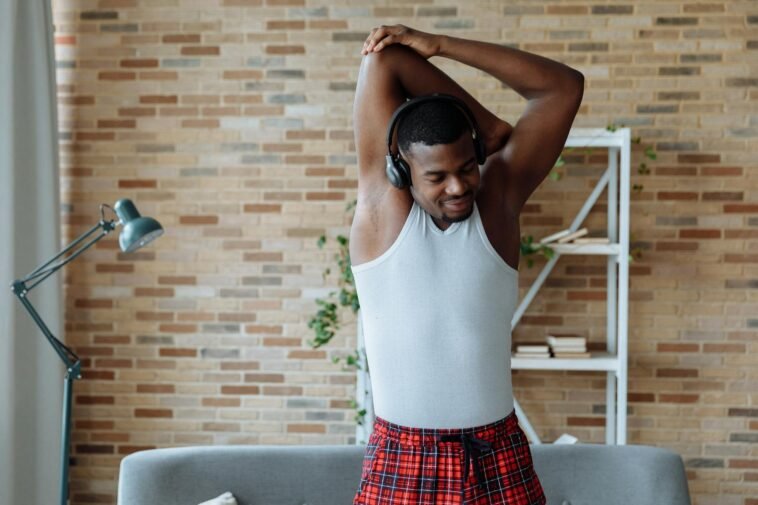
My current favorite is a quick bodyweight circuit right after I brush my teeth. I do 1 minute of jumping jacks, 1 minute of squats, 1 minute of push-ups (on my knees if I’m feeling tired), 1 minute of planks, and 1 minute of high knees. Total 5 minutes. Done. It wakes me up, gets my heart rate up just enough, and I don’t feel like I’ve ‘worked out’ in a way that drains me for the day. It’s just a quick energizer.
Sneaking Movement Into Your Day
If mornings are hectic, break it up. Take a 5-minute walk during your lunch break. Do 5 minutes of walking up and down stairs if you’re in an office building. Or, when you’re waiting for the kettle to boil, do some wall sits or calf raises. Honestly, I’ve even done a quick 5-minute dance party in my kitchen while dinner cooks. The key is finding what works for *you* and making it a non-negotiable, tiny part of your day. It doesn’t have to be formal.
My Personal 30-Day Experiment: What I Learned
So, I committed to this for a full month back in February (yep, even with the shorter days). I aimed for at least 11 minutes more sleep than my usual average, and a solid 5 minutes of focused movement every day. I wasn’t perfect, nobody is, but I hit it about 85% of the time. What really surprised me wasn’t just feeling a bit more rested or having slightly more energy. My blood pressure, which sometimes creeps up a little, actually saw a small but consistent dip. I mean, check with your doctor, of course, but for me, that was a huge indicator that these small changes are doing something real on a physiological level. It’s not just ‘feeling better,’ it’s measurable. And that’s incredibly motivating.
The Mental Shift is HUGE
Beyond the physical stuff, the mental shift was powerful. Knowing I was actively doing something positive for my heart, even if it was tiny, boosted my overall sense of well-being. It made me feel more in control. It’s easy to get overwhelmed by all the ‘shoulds’ in health, but focusing on these two simple things made me feel like I was winning, every single day. That positive reinforcement is a powerful tool for building sustainable habits.
Don’t Overthink It, Just DO It
My biggest takeaway? Don’t over-plan. Don’t buy a ton of new gear. Just start. Whether it’s setting your alarm 15 minutes later (to get that extra sleep) or setting a timer for 5 minutes and just moving your body, the act of doing it consistently is what matters. The ‘perfect’ plan often leads to procrastination. The ‘good enough’ plan gets results. Trust me on this one; I’ve fallen into the perfection trap too many times.
Beyond the 11 & 5: Other Heart-Boosting Habits I Swear By
While the 11 minutes of sleep and 5 minutes of exercise are a fantastic baseline, they’re not the *only* things that matter for your heart, obviously. But they’re a great entry point. Once you’ve got those locked in, you might find yourself naturally gravitating towards other healthy choices, which is what happened to me. It’s like these small wins build momentum. I’m not here to tell you to overhaul your entire life overnight, but these are a few other things I’ve integrated that really support my cardiovascular health, and they might work for you too. Always check with your doctor before adding new supplements, especially if you’re on medication.
My Daily Omega-3 & Magnesium Routine
I’ve been taking a good quality Omega-3 supplement for years — I use Nordic Naturals Ultimate Omega, about 2g EPA/DHA daily. It’s not cheap, usually around $40-$50 for a month’s supply, but I feel it’s worth it for the anti-inflammatory benefits. I also take a magnesium glycinate supplement (Thorne Research is my go-to, about 200mg nightly) which helps with muscle relaxation, sleep, and blood pressure regulation. Again, always talk to your doctor, but these have been staples for me.
Hydration and Smart Snacking
Honestly, staying properly hydrated is so underrated. I aim for at least 2-3 liters of water a day. I keep a 1-liter Hydro Flask on my desk and refill it twice. And for snacks, I try to keep it whole foods: a handful of raw almonds, an apple with peanut butter, or some Greek yogurt. Avoiding ultra-processed snacks that are loaded with hidden sugars and unhealthy fats makes a huge difference for your heart in the long run. It’s not about deprivation, it’s about making better choices most of the time.
What About the Fads? What’s Overhyped?
Okay, real talk for a second. The wellness space is *full* of stuff that sounds amazing but doesn’t really deliver. And when it comes to heart health, you really want to stick to what’s proven. I’ve tried a lot of things over the years, and I’ve got some strong opinions on what’s maybe not worth your time or money, especially if you’re focusing on cardiovascular health. It’s easy to get sucked into expensive gadgets or obscure ‘superfoods’ when the basics are often right in front of us, and free. Don’t fall for the marketing hype; focus on the fundamentals first.
Expensive ‘Detox’ Teas and Juices
Honestly, your liver and kidneys are incredibly efficient at detoxing your body. You don’t need a $70 juice cleanse or some ‘miracle’ detox tea. Most of these are just diuretics, making you lose water weight, not actual toxins. They can even mess with your electrolyte balance. Stick to plain water, eat whole foods, and let your body do its job. Save your money for good quality groceries instead.
Intense HIIT Every Single Day
While HIIT (High-Intensity Interval Training) is great, doing it every single day can lead to overtraining and increased cortisol, which isn’t great for your heart or stress levels. Your body needs recovery. For cardiovascular health, a mix of moderate cardio, strength training, and those crucial 5-minute bursts is far more effective and sustainable than trying to crush yourself daily with extreme workouts. Listen to your body, and don’t feel pressured to go all-out every time.
⭐ Pro Tips
- Set a ‘bedtime alarm’ on your phone 30 minutes before you want to be asleep. This is your cue to start winding down, not just to turn off the lights.
- For the 5 minutes of exercise, use a free app like ‘Seven’ (the 7-minute workout app) and just do the first 5 minutes of a routine. It’s structured and motivating.
- Invest in blackout curtains – a set from IKEA or Target costs around $30-$50 and makes a huge difference for deep sleep, even those extra 11 minutes.
- The biggest mistake I see? Trying to do too much, too fast. Start with just *one* of these habits for a week, then add the other. Build momentum slowly.
- The one thing that made the biggest difference for me was combining the 5 minutes of morning exercise with a big glass of water. It kickstarts my metabolism and hydration right away.
Frequently Asked Questions
Is 11 minutes of extra sleep actually enough to make a difference?
Yes, absolutely! Recent studies suggest that even small, consistent increases in sleep, like 11 minutes, contribute positively to cardiovascular health by supporting repair processes and hormone regulation. It’s about cumulative gains.
How much does it cost to implement these changes?
Virtually nothing! Getting more sleep and doing 5 minutes of exercise is free. You might consider a $10 eye mask or a $30 water bottle, but the core actions cost zero dollars, making them incredibly accessible.
Is an extra 5 minutes of exercise really worth the effort?
Yes, 100%. Even 5 minutes of brisk movement gets your blood flowing, improves circulation, and provides a gentle cardiovascular boost. It breaks up sedentary time, which is a major win for heart health, and builds a consistent movement habit.
What’s the best way to track my sleep and exercise without spending a lot?
A simple journal or your phone’s built-in health apps (like Apple Health or Google Fit) are great free options. For sleep, just note your bedtime and wake-up. For exercise, use a basic timer. No need for expensive gadgets initially.
How long until I see benefits from these small changes?
You might start feeling more energetic and focused within a week or two. Measurable cardiovascular benefits, like improved blood pressure, typically show up after a few months of consistent effort. Stick with it; consistency is key.
Final Thoughts
So, there you have it. This whole ‘extra 11 minutes of sleep, 5 minutes of exercise lowers cardiovascular risk’ thing? It’s not just a catchy headline; it’s a real, actionable strategy. I’ve seen it work for me, and the science backs it up. You don’t need to turn your life upside down to make a meaningful difference for your heart. Just start small. Add those 11 minutes of sleep tonight, and move your body for 5 minutes tomorrow morning. That’s it. Remember to check with your doctor, especially if you have existing health conditions. Your heart will thank you for these tiny, powerful shifts. You’ve got this!




GIPHY App Key not set. Please check settings