



 Xplorely
Disclosure: This post may contain affiliate links. Purchases through these links support our site at no extra cost to you.
Look, I’m exhausted. I’ve spent 2025 trying every ‘2026 trend’ my algorithm could throw at me. The cold plunge obsession? Done. The $200 adaptogen coffee? Yep. Most of it is noise. But a few things? They actually stuck. And they’re not complicated. I’m talking about stuff you can start tomorrow that has real science—and real results—behind it. I’ve got my bloodwork, my sleep data, and a lot of receipts to prove it. Let’s cut through the influencer fluff. These are the three things I’m actually doing in 2026, explained in plain English. No ‘journeys’, just practical steps.
📋 In This Article
1. Your Eating Window Isn’t Enough. You Need Chrono-Nutrition.
Okay, intermittent fasting is old news. Everyone and their dog is doing a 16:8. But here’s the thing nobody talks about: *when* you eat your macros matters just as much as the window itself. It’s called chrono-nutrition, and it’s not some fancy European diet. It’s about aligning your food with your body’s natural circadian rhythm. I started this after reading Dr. Satchin Panda’s work, but the real kicker was my own continuous glucose monitor (CGM) data from a Levels program last fall. I ate the same meals on day one at 10 AM and day two at 4 PM. The afternoon meal spiked my glucose 40% higher and kept it elevated for two extra hours. Wild, right? So for 2026, it’s not just ‘eat between 12 and 8’. It’s ‘eat your protein and complex carbs before 2 PM if you can’. My personal rule: finish my last carb-heavy meal by 3 PM, even if my window goes to 7 PM. The difference in my afternoon energy slump is insane. I don’t need a second coffee. It’s free energy, just by moving my big meal earlier. And no, you don’t need a $500 CGM. Just try it for a week—move your biggest meal to lunch instead of dinner—and note how you feel at 4 PM.
Related Reading
The Simple ‘Lunch is King’ Rule
Here’s your actionable takeaway: make lunch your main meal. Aim for 40-50% of your daily calories between 12 PM and 2 PM. Dinner? Keep it light—mostly protein and vegetables. I’m talking a 6 oz chicken breast and a huge salad, not a giant bowl of pasta. I use MyFitnessPal to track, and hitting my protein goal at lunch makes hitting it all day way easier. You’ll sleep better, I promise. Your body isn’t trying to digest a feast when it should be winding down.
What About Night Shift Workers Or Early Birds?
Look, I get it. I have a friend who’s a nurse. Her ‘day’ starts at 6 PM. The rule just flips for her. Her biggest meal is her ‘lunch’ at 2 AM, and her ‘dinner’ before her 8 AM bedtime is tiny. The principle is the same: front-load your calories during your active period. If you’re an early bird who wakes at 5 AM, eat your big breakfast at 7 AM and have a light supper. It’s about matching fuel to function. Don’t overthink it, just don’t eat a big meal right before you try to sleep, whenever that is.
2. Stop Chasing Sleep. Start Repaying Sleep Debt. (Yes, It’s Real)
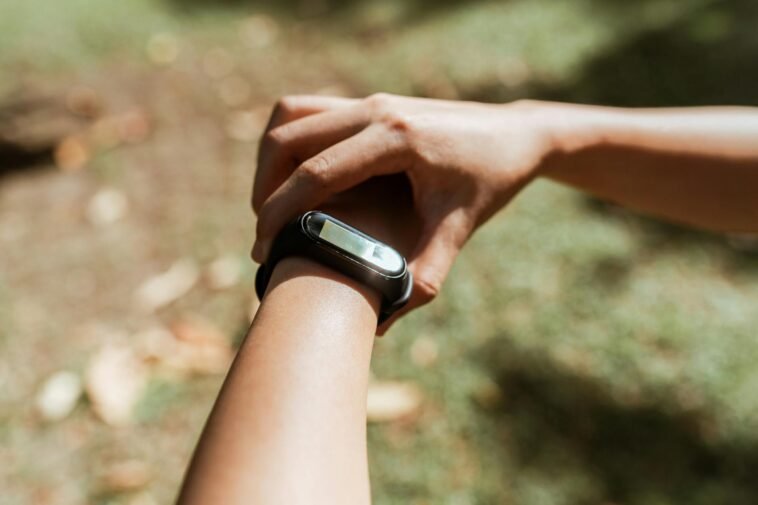
Everyone says ‘get 8 hours’. Thanks, Captain Obvious. But what if you’re chronically at 6? Telling you to ‘just sleep more’ is useless. The 2026 mindset shift is from *sleep quantity* to *sleep debt repayment*. And you need a tracker that shows you your ‘sleep debt’ number, not just hours slept. I got a Whoop 4.0 last January ($30/month, no hardware cost) and an Oura Ring Gen 3 ($299) for comparison. Whoop’s ‘Recovery’ score and ‘Sleep Debt’ metric are brutal but true. I had a 2.5-hour debt after a few late work nights. The data doesn’t lie. So here’s the protocol I follow: if my debt is over 1 hour, I add 30-60 minutes to my next two nights. No exceptions. I go to bed 30 minutes earlier and *don’t set an alarm*. Let your body sleep in. It feels indulgent, but it’s biology. After a month of actively repaying debt, my resting heart rate dropped 5 bpm, and my ‘Recovery’ scores jumped from yellow to green almost daily. It’s not magic. It’s just accounting for the sleep you stole from yourself. And you know what? The $49/month for Whoop is cheaper than the $200 I used to spend on sleep ‘solutions’ that didn’t work.
The 30-Minute Debt Repayment Hack
Don’t try to repay it all in one night. You can’t. Your brain will just wake you up. The hack is tiny increments. See a 45-minute debt? Go to bed 25 minutes early tonight and 20 minutes early tomorrow. Consistent, small repayments work. I set a ‘bedtime reminder’ on my phone 30 minutes before my target. In that 30 minutes, no screens. I read a boring book (literally, a textbook) or just sit in the dark. It signals to my brain that sleep is coming.
Which Tracker Actually Shows Sleep Debt?
Oura’s ‘Readiness’ score is great, but it doesn’t explicitly say ‘debt: 1.2 hours’. Whoop does. That’s why I stick with Whoop for this specific goal. The app’s ‘Sleep Coach’ is also surprisingly good—it’ll tell you ‘based on your debt, aim for a 9:15 bedtime tonight’. It’s like a drill sergeant for your sleep. If you want a one-time purchase, the Garmin Venu 3 ($449) has a ‘Sleep Debt’ widget you can add to your watch face. It’s less nuanced, but it’s there.
3. Supplementation Isn’t Optional. It’s Targeted. (Get Tested First)
Okay, this is the big one. I was a supplement skeptic. ‘Just eat a balanced diet,’ I’d say. Then I got a comprehensive blood test from InsideTracker in March ($289 for the ‘Essentials’ package). My vitamin D was 18 ng/mL (optimal is 40-60). My magnesium RBC was borderline low. My hs-CRP (inflammation marker) was elevated. I was eating ‘healthy’ but my body was operating on deficits. So for 2026, the tip isn’t ‘take a multivitamin’. It’s ‘get your levels, then supplement to fill the gaps’. Period. I now take: Thorne Magnesium Glycinate (200mg elemental Mg, 1 capsule at 8 PM) for sleep and muscle recovery—glycinate doesn’t cause the runs. And a 5,000 IU vitamin D3 + K2 capsule from Pure Encapsulations (with my lunch, since it’s fat-soluble). I re-test every six months. This is not guesswork. This is data-driven maintenance. Is it expensive? The tests are, but the supplements are maybe $40/month total. Cheaper than the burnout I was heading for.
The One Blood Test Worth Every Penny
Don’t get the $50 WellnessFX basic panel. It’s a waste. You need the full lipid panel, hs-CRP, vitamin D, magnesium RBC, and a full iron panel (ferritin, TIBC). InsideTracker’s ‘Essentials’ or ‘Premium’ packages are the gold standard for this. They give you actionable ranges, not just ‘normal’. ‘Normal’ is the average of sick people. ‘Optimal’ is where you feel good. Pay for optimal.
The Two Supplements I Actually Notice (And When To Take Them)
Magnesium glycinate, 200-400mg, 60-90 minutes before bed. It’s the only thing that’s consistently improved my deep sleep percentage on my Oura ring. And Vitamin D3+K2, 2000-5000 IU, with your largest meal. I take 5000 IU in winter, 2000 in summer. Do not take D without K2—it directs the calcium into your bones, not your arteries. Check with your doctor if you have kidney issues, but for most people, these are foundational. I’ve quit the $120/month nootropic blends. This is all I need.
⭐ Pro Tips
- The 3-2-1 Magnesium Rule: 300mg magnesium glycinate, 2 hours before bed, for 1 month straight. Don’t skip a night. The cumulative effect on sleep quality is massive. I use Thorne.
- Save 40% on InsideTracker by buying a 3-test bundle upfront. It’s $785 for three instead of $289 x 3. Do it once a year, not every six months.
- Time your last meal to end exactly 3 hours before your bedtime. Not 2.5, not 3.5. Three. Set a phone timer called ‘DONE EATING’.
- The biggest mistake? Taking your magnesium citrate for sleep. It’s a laxative. Glycinate or bisglycinate only. Read the label.
- The one thing that made the biggest difference? Actually paying for a Whoop subscription and *using* the sleep debt feature daily. The accountability changed everything.
Frequently Asked Questions
Is the Whoop 4.0 worth it in 2026?
Yes, if you use the Sleep Debt and Recovery metrics. The hardware is free with a 24-month commitment ($30/month). The Oura Ring is a nicer wearable but its sleep debt tracking isn’t as explicit. For pure sleep debt repayment, Whoop wins.
How much does InsideTracker cost?
The Essentials package is $289. The Premium (adds HbA1c, more hormones) is $549. You can often find 20% off codes. Do not get the $99 ‘Fitness’ package—it lacks key markers like magnesium RBC.
Is chrono-nutrition just another fasting fad?
No. The data from CGMs and metabolic studies shows meal timing impacts glucose, insulin, and sleep architecture independently of calories. It’s not a fad; it’s chronobiology applied to eating. The effect is smaller than calorie control, but it’s real and additive.
What’s the best magnesium for sleep and anxiety?
Magnesium glycinate (or bisglycinate). 200-400mg elemental magnesium. Brand: Thorne or Pure Encapsulations. Avoid citrate, oxide, or sulfate for sleep—they’re for constipation. Take it 60 minutes before bed with water.
How long to see results from fixing sleep debt?
You’ll feel better in 3-5 days of consistent repayment. Objective metrics (resting heart rate, HRV) improve in 2-3 weeks. Full cognitive and metabolic recovery from chronic debt can take 2-3 months of good sleep.
Final Thoughts
So there it is. Timed eating, sleep debt accounting, and bloodwork-based supplementation. No crystals, no $200 ‘superfoods’. This is the boring, effective stuff that actually moves the needle. My advice? Pick one. Start with the sleep debt tracker. Get a Whoop or use your Garmin’s widget and just *watch* the number for a week. It’s shocking. Then, in two weeks, try moving your dinner to lunch. See how you feel. And for god’s sake, if you’re tired all the time, get a real blood test. Not a ‘wellness’ panel from a shady website. Use InsideTracker or a direct-to-consumer lab like Quest. Then supplement based on what’s missing. That’s the 2026 wellness plan that’s going to stick. Now go to bed on time.




GIPHY App Key not set. Please check settings