



 Xplorely

Disclosure: This post may contain affiliate links. Purchases through these links support our site at no extra cost to you.
I used to spend every Saturday morning in May hacking away at the yellow heads in my lawn until my lower back screamed at me. It took me way too long to realize I was literally throwing away the cure for the very back pain I was causing. If you want to know how to make dandelion salve, you’ve come to the right place. I’ve been making this stuff for three years now, and honestly, it’s better than half the ‘muscle rubs’ you buy at CVS for $15 a pop. It’s easy, cheap, and actually works for that dull ache you get after gardening or a long run.
📋 In This Article
The hunt for the perfect yellow heads
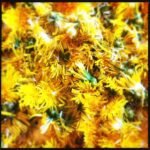
First things first: you need a lot of dandelions. I usually aim for about two or three packed cups of just the yellow flower heads. Don’t grab the ones near the road—car exhaust and dog pee are not the ‘secret ingredients’ we’re looking for. I stick to my own backyard because I know I haven’t sprayed it with Roundup or any of that nasty stuff since 2022.
Related Reading
So, grab a basket and start picking. You want the bright, open flowers, not the ones that have already gone to seed. Once you get them inside, here is the most important part: let them dry. If you put fresh, wet dandelions into oil, you’re going to end up with a moldy, fuzzy mess in about a week. I spread mine out on a paper towel for 24 to 48 hours until they feel slightly shriveled and papery.
Don’t skip the wilting process
Seriously, I’ve ruined entire batches because I was impatient. Dandelions have a high water content. If that moisture gets trapped in your oil, it’s game over. Let them sit until they look a bit sad. Trust me on this one.
Infusing the oil without burning the house down
Once your flowers are dry, you need to infuse them into a carrier oil. I personally swear by Viva Naturals Sweet Almond Oil (usually around $19.50 for a 16oz bottle on Amazon right now). It’s light and doesn’t leave you feeling like a greased pig. You can use olive oil if that’s all you have in the pantry, but it’s a bit heavier.
There are two ways to do this. The ‘patient person’ way is to put the flowers in a mason jar, cover them with oil, and leave them on a sunny windowsill for 4 weeks. But it’s May 2026 and I want my salve now. So, I use the slow cooker method. Put your flowers and oil in a glass jar, place the jar in a slow cooker filled with a few inches of water, and keep it on ‘warm’ for about 4 to 6 hours. You don’t want it to boil—just a gentle heat to pull out all those anti-inflammatory properties.
The solar method vs. the heat method
If you have the time, the 4-week solar infusion results in a prettier, brighter yellow oil. But if your knees are aching today, the 6-hour slow cooker method is a lifesaver. Both work equally well for pain.
The actual recipe: Turning oil into salve
Okay, so you’ve strained your oil through a cheesecloth. You should have a beautiful, golden liquid that smells like a meadow. Now we need to make it solid. The magic ratio I use is 1:4. That’s one part beeswax to four parts infused oil. For a standard batch, I use 4 ounces of dandelion oil and 1 ounce of beeswax pellets.
I buy the White Mountain Beeswax pellets ($14.99 for a 1lb bag) because they melt way faster than the blocks. Put the oil and wax in a double boiler—or just a glass bowl over a pot of simmering water—and stir until it’s clear. This is when I usually add about 10 drops of peppermint or eucalyptus essential oil if I want that cooling sensation, but it’s totally optional. Pour the hot liquid into small 2oz tins. You can get a 12-pack of these for about $11.00. Let them sit on the counter for an hour to firm up.
Adjusting the consistency
If you live in a super hot climate like Arizona, use a tiny bit more beeswax so it doesn’t turn into a puddle. If you’re in the chilly UK or Canada, use a bit less so it stays spreadable.
Does this stuff actually work for pain?
Let’s be real for a second. This isn’t a prescription-strength NSAID. If you have chronic arthritis or a major injury, this salve isn’t going to be a miracle cure. But for the everyday ‘I worked out too hard’ or ‘I sat at my desk for 8 hours’ kind of ache? It’s surprisingly effective.
Dandelions are packed with taraxasterol. It’s a compound that’s been studied for its ability to dial down inflammation. When I rub this on my calves after a long hike, I notice a difference within 20 minutes. Plus, the almond oil and beeswax combo is incredible for dry elbows and cracked heels. It creates a barrier that keeps moisture in, which is a godsend if you’re dealing with that weird May transition weather where your skin doesn’t know if it’s spring or winter yet.
The science-ish bit about taraxasterol
Researchers have found that dandelion flower extracts can inhibit certain pro-inflammatory cytokines. It’s why traditional herbalists have used it for centuries. It’s not just ‘woo-woo’—there’s actual chemistry happening here.
Storage, shelf life, and safety
Your homemade salve should stay good for about 6 to 12 months if you keep it in a cool, dark place. If it starts to smell like old crayons, the oil has gone rancid—toss it and make a new batch. I always keep a tin in my gym bag and one on my nightstand.
One big warning: if you are allergic to ragweed, daisies, or marigolds, be careful. Dandelions are in that same family. Do a patch test on your inner wrist before you go slathering it all over your back. And as always, check with your doctor if you’re pregnant or have a serious skin condition like eczema or psoriasis before trying new home remedies. I’m just a blogger who likes weeds, not a medical professional.
Keeping it fresh
To extend the shelf life, you can stir in a half-teaspoon of Vitamin E oil at the very end. It acts as a natural preservative and is great for your skin anyway.
⭐ Pro Tips
- Use yellow petals only—the green base of the flower (the calyx) can make the salve a bit sticky and bitter-smelling.
- Buy organic beeswax pellets like the ones from Better Shea Butter ($15) to avoid pesticide residue in your salve.
- If your salve feels too hard, just melt it down again and add another tablespoon of oil. It’s very forgiving.
Frequently Asked Questions
Can I use dandelion leaves instead of flowers?
Yes, but the flowers are better for sore muscles. The leaves are great for skin irritation, but for that anti-inflammatory punch, stick to the yellow heads.
Is dandelion salve actually worth the effort?
Absolutely. For under $30 in materials, you can make enough salve to last a year and give away as gifts. It beats the chemical-heavy store brands any day.
What is the best oil for dandelion infusion?
Sweet almond oil or fractionated coconut oil are the winners. They absorb quickly and don’t leave a greasy residue on your clothes or bedsheets.
Final Thoughts
Look, dandelions aren’t the enemy. They’re basically a free pharmacy growing in your yard. Making your own salve is satisfying, cheap, and it actually works for those annoying muscle aches. Give it a try this weekend while the flowers are still everywhere. Just remember to dry them out first so you don’t end up with mold. Your back will thank me later. Let me know how your batch turns out!



GIPHY App Key not set. Please check settings