



 Xplorely
Disclosure: This post may contain affiliate links. Purchases through these links support our site at no extra cost to you.
Okay, so I know what you’re thinking: “Eat the same thing every single day? That sounds like punishment!” And honestly, when I first heard the idea, I felt the same way. But real talk, after years of trying every diet under the sun – keto, paleo, intermittent fasting – the one thing that actually helped me consistently lose and maintain weight was surprisingly simple: eating the same meals every day. It sounds wild, but it strips away so much decision fatigue and guesswork. I’m talking about losing around 20 pounds over six months without feeling deprived or constantly stressing about food choices. Trust me, it’s not as boring as it sounds, and for beginners, it’s a total game-changer for getting a handle on your nutrition. Of course, always check with your doctor before making any big dietary changes, especially if you have existing health conditions. But if you’re ready for some serious simplicity, keep reading.
📋 In This Article
- Why Your Brain (and Body) Will Thank You for the Repetition
- My Go-To Meal Template (and why it works so well)
- Getting Started: Your First Week Blueprint for Success
- What About Boredom? (And how to beat it, because it happens!)
- The Downside: Real Talk, No Fluff About Meal Repetition
- Is It Sustainable Long-Term? My Honest Opinion
- ⭐ Pro Tips
- ❓ FAQ
Why Your Brain (and Body) Will Thank You for the Repetition
Look, we make hundreds of decisions every day, right? What to wear, what email to answer first, what to watch on Netflix. And honestly, for me, deciding what to eat three times a day, every single day, was just another mental drain. That’s where eating the same meals every day could help you lose more weight, especially for beginners. It’s not just about calories; it’s about reducing mental load. When you know exactly what you’re eating, you stop thinking about food all the time. You stop grazing, you stop making impulsive, unhealthy choices because you’re ‘too tired to cook.’ I found myself less stressed, less prone to emotional eating, and suddenly, my calorie tracking became way more accurate without even trying that hard. It’s like putting your nutrition on autopilot.
Related Reading
Decision Fatigue is Real (and it’s a Diet Killer)
You know that feeling when it’s 6 PM, you’re starving, and the thought of figuring out what to cook is just too much? That’s decision fatigue. It leads to takeaways or grabbing whatever’s easiest, which usually isn’t the healthiest option. By pre-deciding your meals, you completely bypass this trap. Your brain gets a break, and your willpower stays strong for other things.
Mastering Your Macros Becomes Second Nature
Once you’ve got your go-to meals, you know their nutritional breakdown. You don’t need to log every single ingredient every single time. After a week or two, I could pretty much eyeball my portions and know I was hitting my protein, carb, and fat targets. It makes tracking calories or macros so much simpler, which is crucial for consistent weight loss.
My Go-To Meal Template (and why it works so well)
Okay, so you’re probably wondering what these ‘same meals’ even look like. This isn’t about eating plain chicken and broccoli for every single meal, I promise. It’s about having a *template* that you stick to, and then making minor swaps. My personal template focuses on lean protein, complex carbs, and plenty of veggies. For example, my breakfast has been pretty much the same for years because it’s easy and filling. Lunch and dinner follow a similar pattern, just with different protein and veggie options that are in season. Right now, in April 2026, I’m loving roasted asparagus and fresh spinach because they’re cheap and delicious.
Breakfast: My Protein-Packed Start
I swear by overnight oats. Every morning, it’s 50g rolled oats, 25g Optimum Nutrition Gold Standard Whey (vanilla or chocolate), 1 tbsp chia seeds, and about 200ml unsweetened almond milk. I top it with 50g mixed berries (frozen are fine!) and a sprinkle of cinnamon. It’s around 350-400 calories, 30g protein, and keeps me full until lunch.
Lunch & Dinner: The Flexible Formula
Here’s my formula: 120-150g cooked lean protein (chicken breast, salmon, lean ground turkey), 100-150g cooked complex carb (brown rice, quinoa, sweet potato), and 200-250g non-starchy vegetables (broccoli, green beans, spinach, asparagus). I’ll prep a batch of chicken and rice on Sunday, then just rotate my veggies throughout the week. Sometimes I’ll swap chicken for salmon, or rice for a baked potato. It keeps things interesting enough without having to reinvent the wheel.
Getting Started: Your First Week Blueprint for Success
So, how do you actually start this without getting totally overwhelmed? You don’t need to overhaul your entire diet overnight. That’s a recipe for disaster, trust me, I’ve tried. The key is to start small and build up. Pick *one* meal you’re willing to eat consistently for a week. Maybe it’s just breakfast. Get that dialled in, see how it feels. Then, once you’re comfortable, add in lunch. This isn’t a race; it’s about building sustainable habits. I started by just standardizing my breakfast, then my lunches, and then I tackled dinners. It felt way less intimidating that way, and I actually stuck with it.
Pick Your Winners: Start Small
Think about your easiest, healthiest meal right now. Can you make that your default? For me, it was breakfast. Maybe for you, it’s a simple sandwich and salad. Commit to eating that specific meal for the next 5-7 days. Don’t worry about the other meals yet. Just get comfortable with that one consistent choice.
Prep Like a Pro (but keep it simple)
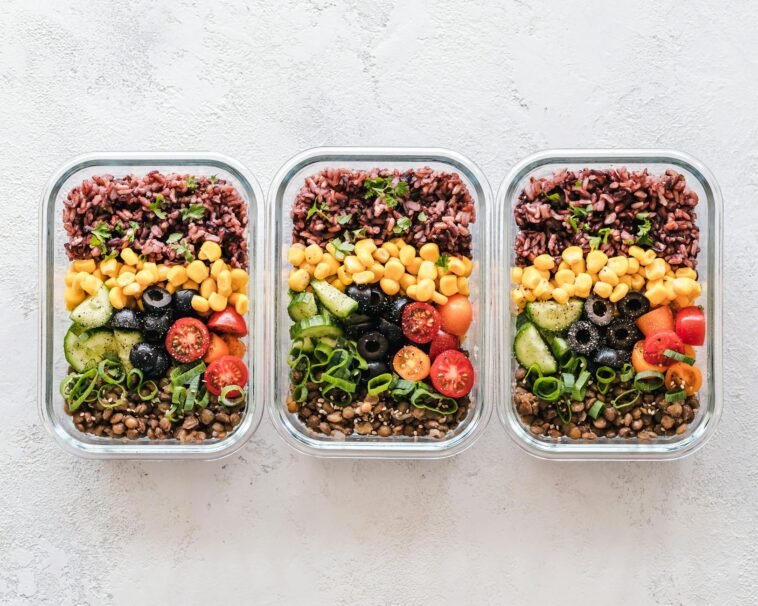
Sunday is my prep day. I’ll roast 1.5kg of chicken breast, cook 5-6 portions of brown rice or quinoa, and chop up a bunch of veggies. This takes me about 90 minutes. I store everything in separate containers (I love the Pyrex Glass Food Storage containers – they’re durable and easy to clean). Then each morning, I just assemble my lunch and dinner for the day. Seriously, it saves so much time during the week.
What About Boredom? (And how to beat it, because it happens!)
Okay, real talk: sometimes you *will* get bored. It’s inevitable. But boredom doesn’t have to derail your entire weight loss effort. This is where small, strategic changes come in. You don’t need to switch up your entire meal structure, just tweak the flavour profile or swap out a minor ingredient. The core components – protein, carb, veg – stay the same, but the experience can feel totally different. I found that having a few variations on hand for my standard meals helped me avoid feeling like I was stuck in a food rut. It’s all about having a few tricks up your sleeve.
Spice it Up (Literally!)
This is your secret weapon. For my chicken and rice, one day I’ll use a dash of smoked paprika and cumin for a Mexican vibe. The next, a splash of soy sauce and ginger for an Asian twist. A little garlic powder and oregano? Hello, Italian-inspired. I keep a variety of spices from Schwartz or McCormick in my pantry. Same base ingredients, totally different taste experience.
Seasonal Swaps Keep Things Fresh
While the *type* of meal stays consistent, the specific veggies don’t have to. In April, I’m using asparagus. In summer, I’ll switch to courgettes or bell peppers. In autumn, roasted root veg. This keeps your plate visually appealing and ensures you’re getting a broad spectrum of nutrients from different produce. It’s a simple way to add variety without adding complexity.
The Downside: Real Talk, No Fluff About Meal Repetition
While I’m a huge fan of this approach, it’s not a magic bullet, and it definitely has its potential drawbacks. I’m not going to pretend it’s perfect for everyone or every situation. For one, if you’re not careful about your meal choices, you *could* end up with nutrient deficiencies. And then there’s the social aspect – trying to stick to your exact meal plan when you’re out with friends can be a bit awkward, or just plain impossible sometimes. It’s important to be aware of these things so you can plan around them and make sure you’re still getting everything you need.
Nutrient Variety is Non-Negotiable
If you just pick one or two meals and never vary them, you risk missing out on essential micronutrients. That’s why my template has flexible veggies and different protein sources. I also take a good quality multivitamin (like Thorne Basic Nutrients 2/Day) and an Omega-3 supplement (Nordic Naturals Ultimate Omega) daily, just for peace of mind. Check with your doctor or a dietitian if you’re concerned about your nutrient intake.
Social Situations Can Be Tricky
Eating out? Family dinner? This is where you need to be flexible. I don’t stress about it. I’ll enjoy the meal, make the best choices I can (maybe skip the bread basket, opt for grilled over fried), and get right back on track the next day. One meal won’t undo weeks of consistency. It’s about overall patterns, not perfection.
Is It Sustainable Long-Term? My Honest Opinion
So, can you really eat the same meals every day for years? For me, the *template* is sustainable, but the *exact same food* isn’t always. It’s a fantastic tool to kickstart weight loss and build incredibly strong habits. It teaches you portion control, helps you understand what truly fills you up, and simplifies healthy eating. But life happens, and sometimes you just crave something different. I view it as a foundational strategy. You might use it strictly for a few months, then loosen up a bit, then come back to it when you need to re-focus. It’s not a life sentence, it’s a powerful guide.
Listen to Your Body (and Your Cravings)
After a few months, you’ll get pretty good at understanding your hunger cues and what your body needs. If you’re consistently craving something, maybe it’s time to introduce a new meal or a different type of food into your rotation. Don’t fight your body; work with it. The goal is health and sustainability, not rigid adherence to a strict plan forever.
It’s a Tool, Not a Life Sentence
Think of meal repetition like training wheels for your diet. It helps you learn to ride (i.e., eat healthy consistently) without falling over. Once you’re confident, you can take them off, knowing you have the skills to make good choices. I still use this method whenever I feel my eating habits slipping, or if I want to lose a few extra pounds. It’s always there, a reliable friend.
⭐ Pro Tips
- Buy your protein (chicken, fish) in bulk from places like Costco or your local butcher. I save about $15-$20 per week compared to buying smaller packs.
- Invest in a food scale. It’s like $15 on Amazon (I use the Etekcity Digital Kitchen Scale) and makes portion control ridiculously accurate for your first few weeks.
- When you’re prepping, chop extra onions, garlic, and ginger. They add flavour to anything and make mid-week cooking even faster.
- Don’t try to make *all* your meals the same from day one. Start with breakfast, then add lunch, then dinner. Ease into it to prevent burnout.
- The biggest difference for me was realizing a ‘boring’ meal that gets results is way better than an exciting meal that leaves me feeling guilty and off track.
Frequently Asked Questions
Is eating the same meals every day actually healthy?
Yes, it can be, provided your chosen meals are nutritionally balanced and varied enough over the week. Focus on lean protein, complex carbs, and lots of diverse vegetables. Always consider a multivitamin to cover any gaps.
How much does meal prepping cost per week?
For my template (chicken, rice, veggies), I spend about $40-$50 USD per week on groceries for 5-6 days of meals. Buying in bulk and choosing seasonal produce helps a lot.
Is eating the same food every day worth it for weight loss?
Absolutely, I think it’s one of the most effective strategies for beginners. It drastically simplifies calorie control and reduces decision fatigue, which are huge wins for consistent weight loss.
What’s the best alternative to eating the same meals?
If you can’t stomach the repetition, try having a ‘template’ for each meal category (e.g., ‘protein + greens’ for lunch) and vary the specific ingredients within that. Meal delivery services like HelloFresh can also help with variety.
How long should I eat the same meals to see results?
You’ll likely see initial results within 2-4 weeks due to better calorie control. For significant weight loss, aim for 2-3 months of consistent meal repetition, then you can decide to adjust.
Final Thoughts
So, there you have it. My not-so-secret weapon for consistent weight loss: eating the same meals every day. It’s simple, it works, and it takes so much of the stress out of healthy eating. It’s not about deprivation; it’s about smart strategy. You don’t need fancy diets or expensive shakes. You need consistency, and this method delivers that in spades. Start with one meal, nail it down, and then build from there. You might be surprised at how much freedom you find in the routine. Just remember to keep those veggies varied and listen to your body. Go on, give it a try for a week or two. What have you got to lose, besides a few pounds?




GIPHY App Key not set. Please check settings