



 Xplorely
Disclosure: This post may contain affiliate links. Purchases through these links support our site at no extra cost to you.
Okay, so I’ve been making my own dandelion salve for a few years now, and honestly, it’s become a staple in my house. My kids get scraped knees, I get stiff shoulders from too much computer time, and sometimes my skin just feels… blah. Turns out, those ‘weeds’ in the yard are actually little powerhouses for healing. If you’ve ever wondered about natural remedies, this dandelion salve is a fantastic place to start. It’s incredibly simple to make and works wonders.
📋 In This Article
Why Dandelions? Seriously, They’re Not Just Weeds
Look, I used to just pull dandelions and toss them. Big mistake. Turns out, they’ve got compounds like sesquiterpenes and triterpenes that are known for their anti-inflammatory and antioxidant properties. I’ve found it’s particularly great for soothing those nagging aches and pains that pop up after a long hike or a day spent gardening. My go-to is usually after I’ve spent hours hunched over my laptop – a quick rub of this salve and I feel a noticeable difference. It’s like giving your tired muscles a gentle hug.
Related Reading
What Kind of Dandelions Do I Need?
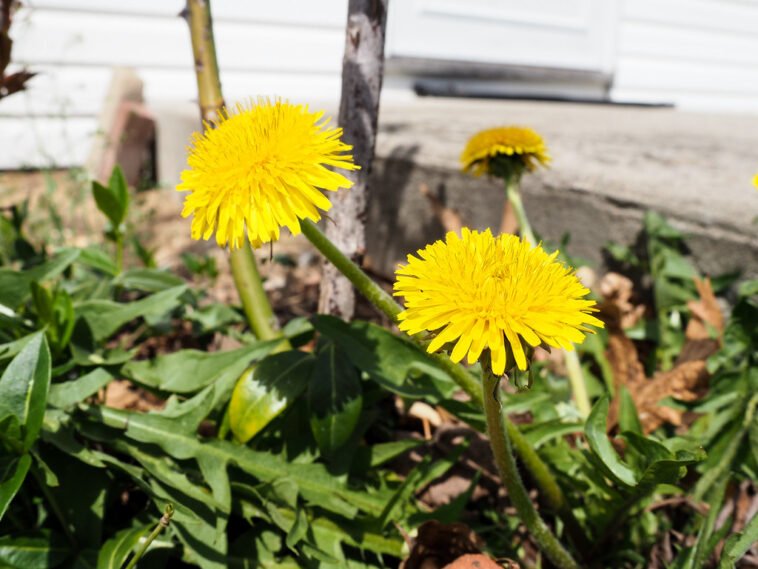
Grab the common yellow ones, *Taraxacum officinale*. Make sure they’re from an area you know hasn’t been sprayed with pesticides or herbicides. I usually go for the ones in my own backyard because I know exactly what’s going on there. Pick them on a sunny day, ideally when they’re fully open, for the most potent ‘good stuff’.
The Super Simple Dandelion Salve Recipe
Here’s the deal: you basically need two main things – dried dandelion flowers and a carrier oil. I usually use good old olive oil, but sweet almond oil or coconut oil (fractionated, so it stays liquid) works too. You’ll also need beeswax pellets to make it solid. For a batch, I typically use about 1 cup of dried dandelion flowers and 1 cup of olive oil. To get that nice, firm salve consistency, I add about 1/4 cup of beeswax pellets. You can adjust the beeswax slightly – more if you want it harder, less if you prefer a softer balm.
Drying Your Dandelions
This is crucial. You don’t want moisture in your salve, or it can go moldy. I spread my freshly picked dandelions on a clean, dry towel or screen in a well-ventilated spot away from direct sunlight for a few days until they’re completely dry and brittle. You can also use a dehydrator on a very low setting (around 100°F or 38°C) for a few hours.
Infusing the Oil: The Magic Happens Here
Once your flowers are bone dry, it’s time to infuse the oil. I put my dried dandelions into a clean glass jar (a pint-sized Mason jar is perfect) and pour the olive oil over them, making sure they’re fully submerged. Then, I seal the jar and let it sit in a sunny windowsill for about 2-4 weeks. Give it a good shake every day or two. This slow infusion method really pulls out all those beneficial compounds from the flowers into the oil. Alternatively, you can do a faster heat infusion, but I find the sun method gentler and easier.
Straining Your Infused Oil
After the infusion period, it’s time to strain. I use a fine-mesh sieve lined with cheesecloth. Pour the oil through, squeezing out as much liquid as you can. Discard the spent flowers. You should have a lovely golden-green oil that smells faintly of sunshine and earth. This is your dandelion-infused oil, the base of our salve!
Turning Oil into Salve: The Final Step
Now for the fun part! Gently heat your dandelion-infused oil in a double boiler. I just put a heat-safe glass bowl over a saucepan with an inch or two of simmering water – don’t let the water boil too vigorously. Add your beeswax pellets to the warm oil. Stir gently until the beeswax is completely melted. This usually takes about 5-10 minutes. Once it’s all melted and combined, carefully pour the mixture into small tins or glass jars. I love using little 2-ounce tins, which are perfect for carrying around.
Testing Consistency (Before You Pour!)
Before you commit to pouring the whole batch, do a quick test. Put a small spoonful of the oil/wax mixture into your freezer for a minute or two. When it’s cooled, touch it. Is it too soft? Add a little more beeswax. Too hard? Add a touch more oil. This little trick saved me from a few too-hard batches early on!
⭐ Pro Tips
- Use a dedicated double boiler setup or a heat-safe bowl over a saucepan; never heat the oil and wax directly on the stove.
- Buying beeswax pellets in bulk (e.g., from Mountain Rose Herbs or Amazon) can save you money compared to small craft store packs. A 1lb bag usually costs around $15-$20.
- Beginners often add too much beeswax, resulting in a salve that’s too hard. Start with the recommended amount and test the consistency before pouring the entire batch.
Frequently Asked Questions
Can I use fresh dandelion flowers for salve?
No, it’s best to use dried flowers. Fresh flowers contain too much moisture, which can lead to mold and spoil your salve.
Is dandelion salve safe for all skin types?
Generally, yes. Dandelion salve is known for being gentle and soothing. However, as with any new product, I always recommend doing a patch test on a small area of skin first.
Where can I buy beeswax pellets if I don’t have a garden?
You can easily find beeswax pellets online at retailers like Amazon, Mountain Rose Herbs, or even at some health food stores and craft supply stores.
Final Thoughts
So there you have it! Making your own dandelion salve is a really rewarding process. It’s a great way to use something from nature for your own well-being, whether it’s for sore muscles or just to give your skin some extra love. Give it a try next time you see those cheerful yellow flowers popping up. You might be surprised at how effective it is!




GIPHY App Key not set. Please check settings