



 Xplorely
Disclosure: This post may contain affiliate links. Purchases through these links support our site at no extra cost to you.
Okay, so I used to be a total night owl, scrolling TikTok until 2 AM and then wondering why I felt like a zombie. It’s a rough cycle, right? But I got serious about figuring out how to sleep better naturally without medication, because honestly, I didn’t want to rely on pills. What I found, after a lot of trial and error and chats with my doctor, completely changed my nights. Trust me, it’s not about magic fixes, but consistent little shifts that add up to big results.
📋 In This Article
Your Evening Routine: More Than Just Brushing Your Teeth
Look, you can’t just expect your brain to flip a switch from ‘on’ to ‘off’ instantly. It needs a wind-down period, okay? I used to think I was too busy for a routine, but that was a huge mistake. Now, about an hour before I want to be asleep — usually around 9:30 PM — I start my ritual. That means no more work emails, no intense shows (sorry, ‘House of the Dragon’ rewatch), and definitely no doom-scrolling. It’s about signaling to your body that it’s time to chill out. And honestly, it’s a non-negotiable for me now.
Related Reading
The Power of a Pre-Bed Soak
This one feels a bit luxurious, but it’s incredibly effective. A warm bath or shower about 90 minutes before bed helps drop your core body temperature slightly afterwards, which aids sleep. I like adding about 1-2 cups of Epsom salts (magnesium sulfate) to my bath. I’ve found the ‘Dr Teal’s Pure Epsom Salt’ works great and it’s usually under $10 at most supermarkets. Magnesium helps relax muscles, and who doesn’t need that?
Transform Your Bedroom Into a Sleep Sanctuary
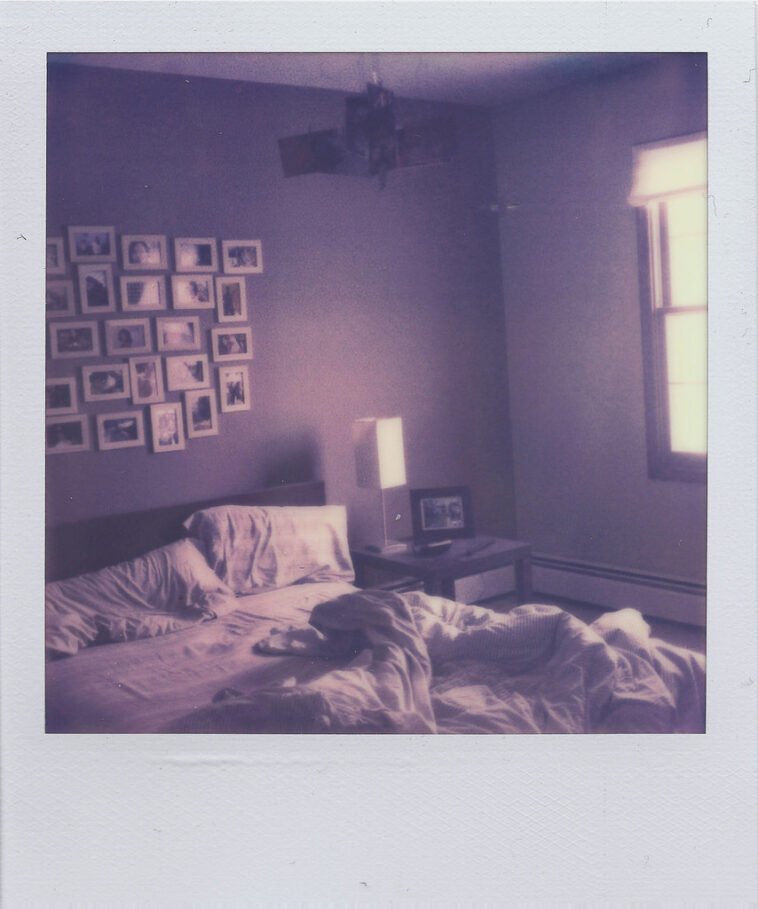
Your bedroom needs to be a cave. Seriously. It’s not a home office, it’s not a second living room, and it’s definitely not a brightly lit interrogation chamber. For years, I just dealt with streetlights peeking through thin curtains, thinking it was fine. It wasn’t. The smallest bit of light can mess with your melatonin production, that crucial sleep hormone. So, I invested a little, and it’s paid off massively. Think dark, cool, and quiet. It’s simple, but it’s often overlooked. You’ll thank me later.
Keep it Cool, Dark, and Quiet
First, blackout curtains. I picked up some ‘NICETOWN Blackout Curtains’ from Amazon last year for about $40 a pair, and they block almost 100% of light. Second, temperature. I aim for 18-20°C (that’s 65-68°F for my US friends). A fan helps circulate air and adds a bit of white noise. And if external noise is an issue, a white noise machine like the ‘LectroFan EVO’ (around $50-60) can be a real saviour. It masks those unexpected sounds.
What You Eat (and Don’t Eat) Matters, A Lot
We often forget that what we put into our bodies directly impacts our sleep. That afternoon coffee at 4 PM? Yeah, that’s still circulating in your system when you’re trying to wind down. Caffeine has a half-life of about 5-6 hours, meaning half of it is still active then. For me, I cut off caffeine completely by 1 PM. And heavy, spicy, or sugary meals too close to bedtime? They can cause indigestion and blood sugar spikes, both terrible for sleep. I aim for dinner at least 3 hours before bed, and keep it lighter.
Supplements I Actually Use (and Why)
I’ve tried a bunch of sleep supplements, and honestly, most are overhyped. Melatonin is great for jet lag but not a long-term fix for me. What *has* helped? Magnesium L-Threonate (I use ‘Thorne Research Magnesium L-Threonate’, taking 2 capsules, 144mg elemental magnesium, about an hour before bed). It’s supposed to cross the blood-brain barrier better. Also, tart cherry juice (or capsules, like ‘NOW Foods Tart Cherry’, 750mg) can support natural melatonin. Always check with your doctor before starting any new supplement, though!
Harnessing Light and Movement for Better Nights
Our bodies are wired to the sun’s rhythm, but modern life messes with that. Getting bright light first thing in the morning signals to your brain that it’s daytime, helping to set your circadian rhythm. I make it a point to step outside for 10-15 minutes within an hour of waking up, even if it’s cloudy. And exercise? Crucial. But timing is everything. A good workout can improve sleep quality, but doing it too close to bedtime can actually keep you awake. Your body needs time to cool down and calm down.
Morning Light and Afternoon Sweat
So, get that morning sun exposure. It doesn’t have to be direct sunlight, just being outside helps. As for exercise, I aim for my workouts in the late afternoon, around 4-6 PM. Something like a 30-45 minute strength training session or a brisk walk. I avoid intense cardio or heavy lifting after about 7 PM, because my body just stays too revved up. Find what works for you, but generally, give yourself at least 3-4 hours between intense exercise and trying to sleep.
⭐ Pro Tips
- Ditch the ‘one for the road’ drink. Alcohol might make you feel sleepy initially, but it severely disrupts sleep architecture later in the night, leading to fragmented rest. It’s a false friend.
- Try a ‘blue light filter’ app on your phone/tablet (like ‘Night Shift’ on iOS or ‘Twilight’ on Android) and set it to kick in automatically after sunset. It costs nothing and makes a huge difference.
- Don’t obsess over every bad night. One restless night won’t ruin you. Get up, reset, and try again tomorrow. Stressing about sleep actually makes it harder to fall asleep.
Frequently Asked Questions
How long does it take to naturally improve sleep?
It’s not instant, but you can see small improvements within a week. Real, consistent changes often take 3-4 weeks. Stick with it, you’ll get there!
Is napping good for natural sleep improvement?
Yes, if done right! Keep naps short, 20-30 minutes max, and take them earlier in the afternoon (before 3 PM). Long or late naps can mess with nighttime sleep.
What’s the best tea for natural sleep?
I’m a big fan of chamomile or valerian root tea. ‘Pukka Night Time’ tea is a good blend. Drink it about an hour before bed, but remember, they’re gentle aids, not knockout drops.
Final Thoughts
Getting better sleep naturally isn’t some magic bullet, it’s a commitment to your well-being. I’ve been there, staring at the ceiling, frustrated. But making these small, consistent changes has honestly transformed my nights and my days. You don’t need expensive gadgets or prescription meds; you just need to be intentional. Pick one or two things from this list, give them a real shot for a few weeks, and see how you feel. Your body will thank you, trust me.




GIPHY App Key not set. Please check settings