



 Xplorely
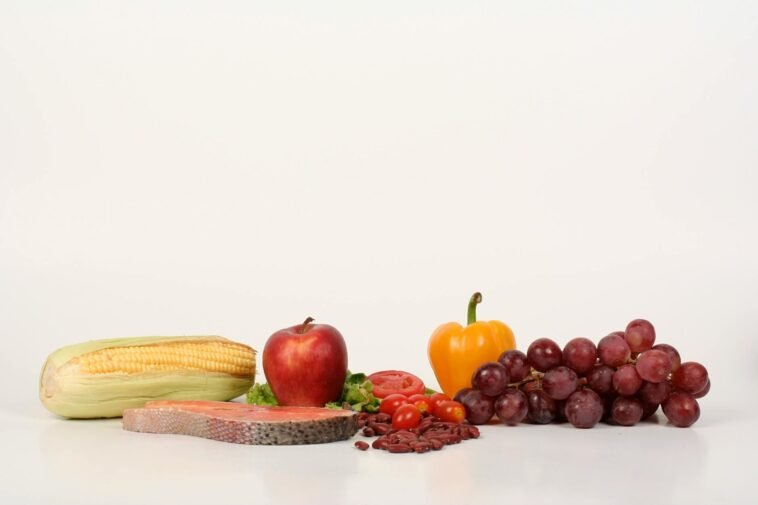
Okay, so heart disease. It’s a heavy topic, I know. My grandpa had a triple bypass when I was just a kid, and it totally shaped how I think about preventative health. Seeing him bounce back, but also seeing the changes he had to make… it stuck with me. Recently, I’ve been poring over what I’m calling the ‘Heart Health Consensus 2026’ – basically, all the updated dietary guidelines from leading health bodies, distilled into some seriously actionable advice. And honestly? It’s not as complicated as you might think. There are truly 9 simple ways to lower heart disease risk, and I’m here to spill the beans on what I’ve found actually makes a difference, both in the research and in my own kitchen. You don’t need fancy supplements or a crazy restrictive diet, trust me.
📋 In This Article
- Cutting the Crap: Why Whole Foods Are Your Heart’s Best Friend
- Fat Facts: The Good, The Bad, and The Totally Overhyped
- The Sugar & Salt Problem: Small Changes, Big Impact
- Protein Power: Building Blocks for a Healthy Heart
- Fiber Up & Hydrate Right: The Unsung Heroes of Heart Health
- Mindful Eating & Sustainable Habits: Making It Stick for the Long Haul
- ⭐ Pro Tips
- ❓ FAQ
Cutting the Crap: Why Whole Foods Are Your Heart’s Best Friend
Look, if there’s one thing these new guidelines scream from the rooftops, it’s this: ditch the ultra-processed stuff. I’m talking about those colorful boxes and bags that line the middle aisles of the supermarket. They’re usually packed with refined grains, unhealthy fats, and way too much added sugar and salt. Your heart works hard enough without having to process all that junk. When I first started really paying attention, I was shocked at how much processed food snuck into my day – even things I thought were ‘healthy’ like granola bars or pre-made smoothies. Now, my rule is simple: if it has more than five ingredients or ingredients I can’t pronounce, it’s usually a pass. And honestly, I feel so much better, not just heart-wise, but my energy levels are way more stable too.
Prioritizing Fruits & Veggies, Like, Seriously
This isn’t new advice, but it’s emphasized even more now. Aim for 5-7 servings a day. And yes, I know, it sounds like a lot! But think about it: a handful of berries in your oatmeal, a side salad with lunch, a piece of fruit as a snack, and two different veggies with dinner. You’re there! I always keep frozen organic berries and spinach on hand for smoothies – super easy. And don’t forget legumes like lentils and chickpeas; they count too!
Decoding Food Labels: Your Secret Weapon
This is where the rubber meets the road. Stop just looking at calories. Turn that package over and check the ‘Added Sugars’ line – you want that as close to 0g as possible. Also, look for fiber content; more is always better. And sodium? Aim for less than 200mg per serving if you can. It takes a minute, but once you get the hang of it, you’ll be a pro. It really helps you make smarter choices without feeling deprived.
Related Reading
Fat Facts: The Good, The Bad, and The Totally Overhyped
Okay, so for years, fat was the enemy, right? Low-fat everything! But the science has really shifted, and these new guidelines reflect that. It’s not about cutting *all* fat; it’s about choosing the *right* fats. Trans fats are still the absolute villain – avoid them like the plague. Seriously, check labels for ‘partially hydrogenated oil.’ But healthy fats? Bring ’em on! They’re crucial for hormone production, nutrient absorption, and yes, even heart health. I’ve personally seen my cholesterol numbers improve since I embraced healthy fats, especially swapping out poor-quality oils for better ones. It’s a game-changer for satiety too.
Omega-3 Power-Ups: Your Heart’s MVP
These polyunsaturated fats are superstars for reducing inflammation and supporting heart function. Think fatty fish like salmon, mackerel, and sardines. I try to get wild-caught salmon from Whole Foods or my local fishmonger at least twice a week. If fish isn’t your jam, or you’re worried about consistent intake, a good quality omega-3 supplement can help. I take Nordic Naturals Ultimate Omega, 2 soft gels daily, for about 1280mg of combined EPA and DHA. Always check with your doctor first, especially if you’re on blood thinners.
Steering Clear of Sneaky Trans Fats
As of April 2026, many countries have banned or severely restricted trans fats, which is fantastic! But they can still hide in some processed foods, especially baked goods or fried items from smaller establishments. Always check ingredient lists for ‘partially hydrogenated oil.’ It’s a guaranteed way to spike your bad cholesterol and increase heart disease risk. Your best bet? Bake at home when you can, using olive oil or avocado oil, and limit deep-fried takeout.
The Sugar & Salt Problem: Small Changes, Big Impact
Here’s the thing: you probably know sugar and salt aren’t great for you. But the sheer *amount* hidden in our everyday foods is astounding. These new guidelines really hammer home how critical it is to rein them in. Added sugars contribute to inflammation, weight gain, and can directly impact triglyceride levels. And too much sodium? Hello, high blood pressure. I used to think I didn’t eat much sugar, then I started tracking it. Whoa. That innocent-looking yogurt? More sugar than a candy bar sometimes. Now, I’m much more mindful. It’s not about cutting them out entirely – life’s too short for zero treats – but making smarter choices most of the time.
Taming Your Sweet Tooth (Without Going Cold Turkey)
The average adult consumes way more added sugar than recommended. The American Heart Association suggests no more than 25g (6 teaspoons) for women and 36g (9 teaspoons) for men daily. My trick? Slowly reduce the amount you add to coffee or cereal. Swap sugary sodas for sparkling water with a squeeze of lemon. And when you crave something sweet, reach for fruit first. A Medjool date with a little almond butter? Divine and satisfying.
The Low-Sodium Swap: Beyond the Salt Shaker
Most of our sodium intake doesn’t come from the salt shaker, it comes from processed foods, canned goods, and restaurant meals. Start by choosing ‘low sodium’ or ‘no added salt’ versions of things like broths, canned beans, and sauces. I always rinse canned beans thoroughly to wash off extra sodium. And experiment with herbs and spices! Smoked paprika, garlic powder, onion powder, and fresh herbs add amazing flavor without the salt. Your taste buds *will* adjust, I promise.
Protein Power: Building Blocks for a Healthy Heart
Protein is essential, but where you get it from matters, especially for heart health. The shift in emphasis these guidelines highlight is towards more plant-based proteins and leaner animal sources. You don’t have to become fully vegetarian or vegan (unless you want to!), but diversifying your protein sources is a smart move. Think about all the amazing nutrients that come along with plant proteins – fiber, antioxidants, and a whole host of vitamins and minerals. And for animal proteins, quality really counts. I’ve found that by incorporating more plant-based options, I naturally feel lighter and more energetic.
Plant-Based Protein Stars You Need to Know
Lentils, chickpeas, black beans, edamame, tofu, tempeh, quinoa, and even nuts and seeds are incredible sources of protein and fiber. I make a big batch of lentil soup or black bean chili every Sunday, and it lasts me for lunches all week. It’s cheap, delicious, and packed with heart-healthy goodness. Try swapping out one meat meal a week for a plant-based alternative – you might be surprised how much you enjoy it.
Lean Meats & Sustainable Fish: When You Choose Animal Protein
If you eat animal protein, opt for lean cuts like chicken breast (skinless, please!), turkey, or lean beef. And when it comes to fish, prioritize those rich in omega-3s, as we talked about. Look for sustainably sourced options where possible – for example, I often buy ‘Responsibly Sourced’ salmon from my local Sainsbury’s in the UK. Limit processed meats like bacon, sausages, and deli meats, as they’re often high in sodium and saturated fat.
Fiber Up & Hydrate Right: The Unsung Heroes of Heart Health
Okay, so fiber and water often get overlooked, but these new guidelines are really bringing them to the forefront, and for good reason! Fiber, especially soluble fiber, is like a scrub brush for your arteries and helps manage cholesterol levels. And water? It’s essential for every bodily function, including maintaining healthy blood pressure and ensuring your heart doesn’t have to work harder than it needs to. I used to be terrible at drinking enough water, but now I carry a 1-liter Hydro Flask everywhere, and it makes a huge difference. You’d be surprised how much better you feel when you’re properly hydrated.
Getting Your Daily Fiber Fix (It’s Easier Than You Think)
Aim for 25-30 grams of fiber daily. Whole grains (oats, barley, quinoa), fruits, vegetables, legumes, nuts, and seeds are your best friends here. I start my day with a big bowl of McCann’s Steel Cut Oats, which gives me about 4g of fiber right off the bat. Adding a tablespoon of chia seeds or ground flaxseed to smoothies or yogurt is another easy 3-4g boost. It helps with digestion too, which is a bonus!
Water: Your Best Heart Friend (Seriously, Drink Up)
Staying well-hydrated helps your heart pump blood more easily through your vessels to your muscles, and it helps your kidneys remove waste more efficiently. Aim for at least 8-10 glasses (around 2-2.5 liters) of water a day. I keep a Brita filter pitcher in my fridge, so cold, clean water is always available. Sometimes I add slices of cucumber and mint to make it a bit more exciting. Ditch the sugary drinks and just stick to water for most of your hydration needs.
Mindful Eating & Sustainable Habits: Making It Stick for the Long Haul
This isn’t just about what’s on your plate; it’s about your relationship with food and how you approach eating. The new guidelines really stress that for these dietary changes to actually lower heart disease risk long-term, they need to be sustainable. That means no crash diets or feeling like you’re constantly depriving yourself. It’s about building habits that you can maintain for life, and a huge part of that is mindful eating. I used to wolf down meals, barely tasting anything. Now, I try to slow down, savor each bite, and really tune into my body’s hunger and fullness cues. It’s a journey, but it makes such a difference.
Portion Control That Sticks (Without Feeling Deprived)
Instead of strict counting, try the ‘plate method.’ Fill half your plate with non-starchy vegetables, a quarter with lean protein, and the remaining quarter with whole grains or starchy vegetables. This visual guide makes it easy to get balanced meals without obsessing over exact measurements. And honestly, listen to your body – stop when you’re satisfied, not stuffed. It takes practice, but it’s incredibly effective.
The 80/20 Rule: Life’s About Balance, Not Perfection
This is my absolute favorite rule for sustainable eating. Aim to eat well, following these guidelines, about 80% of the time. The other 20%? Enjoy your favorite treat, have that slice of pizza with friends, or indulge in a dessert. Restricting yourself too much often leads to binging and feeling like a failure. This approach allows for flexibility, social enjoyment, and prevents burnout. It’s how I stay consistent without feeling miserable.
⭐ Pro Tips
- Swap out your morning coffee creamer for unsweetened almond milk and a dash of cinnamon. You’ll save about $15/month on fancy creamers and cut out loads of added sugar.
- Invest in a good set of food storage containers (I love the Pyrex glass ones, about $40 for a 10-piece set on Amazon). Meal prepping healthy lunches on Sunday will save you from impulse takeout decisions during the week.
- Try eating your bigger meals earlier in the day. I aim for my largest meal around 1 PM, and a lighter dinner by 7 PM. It helps with digestion and I sleep better.
- Don’t fall for ‘heart healthy’ labels on highly processed foods. If it’s still full of sugar or refined grains, it’s not truly serving your heart. Always check the ingredient list!
- The single biggest change for me was adding a handful of spinach to almost everything – smoothies, scrambled eggs, pasta sauce. It’s tasteless and adds instant nutrients and fiber.
Frequently Asked Questions
Are these new heart health guidelines very different from old advice?
Not drastically, but the emphasis has shifted. There’s a stronger focus on whole, unprocessed foods, healthy fats, and reducing added sugars, rather than just blanket ‘low-fat’ or ‘low-cholesterol’ advice. It’s more nuanced now.
How much does it cost to eat ‘heart healthy’ following these tips?
Honestly, it can be cheaper! Focusing on whole foods like oats, beans, lentils, and seasonal vegetables (especially frozen options) is very budget-friendly. I spend about $70-$90 USD a week on groceries for myself now, which is less than when I bought more convenience foods.
Is a plant-based diet actually better for heart disease risk?
Yes, generally speaking, a well-planned plant-based diet is strongly associated with lower heart disease risk due to higher fiber, lower saturated fat, and absence of cholesterol. You don’t have to go 100% plant-based, but increasing plant foods is a great move.
What’s the best cooking oil for heart health?
For most cooking, extra virgin olive oil is my top pick. It’s packed with monounsaturated fats and antioxidants. For high-heat cooking (like roasting veggies), avocado oil is also excellent because of its high smoke point and healthy fat profile. I use both.
How long until I see results from these dietary changes?
Some changes, like improved energy or digestion, you might notice in a few weeks. For cholesterol or blood pressure numbers, give it 3-6 months of consistent effort. Always check with your doctor for monitoring your specific health markers.
Final Thoughts
So, there you have it: 9 simple ways to lower heart disease risk that are backed by the latest science and, more importantly, actually doable. It’s not about perfection, it’s about consistency and making small, sustainable swaps over time. Remember, your heart is working for you 24/7, so give it the best fuel you can. Start with one or two of these tips this week – maybe swap your sugary cereal for oatmeal, or commit to cooking one plant-based dinner. And seriously, if you have any underlying health conditions, always, always check with your doctor before making significant dietary changes. They can help tailor this advice to your specific needs. You’ve got this!




GIPHY App Key not set. Please check settings