



 Xplorely
Disclosure: This post may contain affiliate links. Purchases through these links support our site at no extra cost to you.
Look, nobody tells you how heavy the silence feels once the appointments stop. I finished my last round of treatment years ago, and honestly, the ‘wellness’ advice I got felt like fluff. You don’t need another generic list of green smoothies. You need practical, evidence-based health and wellness tips for cancer survivors that actually fit into a tired, post-treatment life. I’ve spent the last six months testing what works for my fatigue and brain fog. It’s not about magic pills, it’s about small, repeatable wins that make you feel like yourself again.
📋 In This Article
Fixing the Fatigue Without Crashing
Energy management is the biggest hurdle. After treatment, my baseline was basically zero. I started using a Garmin Venu 3 to track my Body Battery, which sounds like a gimmick, but it helped me stop overdoing it. If my score was below 30, I didn’t push a heavy workout. I switched to walking for 20 minutes at a moderate pace—nothing crazy. I also started taking 200mg of CoQ10 daily after clearing it with my oncologist. It’s about $25 a bottle from brands like Thorne. It didn’t turn me into a marathon runner, but it stopped that 3 PM wall I kept hitting. You need to listen to your body, not just push through the wall like you did before. It’s hard, but your body is still recovering.
Related Reading
Tracking your energy levels
Don’t guess how you feel. Use a device like the Garmin Venu 3 or even a simple paper journal. If you’re consistently crashing by noon, you’re doing too much. Cut your activity by 20% for one week and see if your sleep improves. I found that adjusting my load based on actual data saved me from weeks of burnout.
The Reality of Post-Cancer Nutrition
Nutrition advice is so noisy. Every influencer wants you to go keto or juice for 30 days. Please don’t. My oncologist told me to focus on protein intake to rebuild muscle mass, which I lost during chemo. I aim for 0.8g of protein per pound of body weight. I use Orgain plant-based protein powder ($30 for a tub) because it’s easy on my stomach when I’m not feeling like chewing a steak. I add frozen blueberries—which are great right now in June—and a handful of spinach. It’s boring, but it works. Forget the detox teas. They are a massive waste of money and usually just expensive laxatives. Just eat real, whole food and keep it simple.
Protein is your best friend
Muscle atrophy is real. If you aren’t hitting your protein goals, you’ll feel weaker. I aim for 25g of protein at breakfast alone. It keeps my blood sugar stable and stops me from reaching for junk food when I get that mid-morning slump. Seriously, just focus on the protein first.
Brain Fog and Mental Clarity
The ‘chemo brain’ thing is real, and for me, it didn’t just vanish. I started using Lumosity—yeah, the app—but mostly I just started reading physical books again. No screens. Twenty minutes before bed. I also take 500mg of Omega-3s from Nordic Naturals. It’s about $40, but the quality control is better than the cheap stuff at the grocery store. I’ve noticed a sharper focus since I added these in early 2026. You have to train your brain like a muscle. If you feel foggy, stop scrolling on your phone and try a crossword or a book. Your attention span needs a reset, and it takes time to get it back.
Omega-3s for brain health
Not all fish oils are created equal. Look for IFOS-certified brands to ensure you aren’t getting rancid oil. I stick with Nordic Naturals because I’ve never had the ‘fish burps’ with them. Take them with a meal that contains fat for better absorption. Check with your doctor first, especially if you’re on blood thinners.
Movement That Doesn’t Hurt
I used to love high-intensity interval training. Now? My joints aren’t having it. I moved to Pilates. I found a local studio that offers a ‘rehab-friendly’ flow. If you can’t afford a studio, there are great instructors on YouTube like Move With Nicole. She’s got a 20-minute mat routine that’s perfect. It’s low impact, builds core strength, and doesn’t leave me feeling like I’ve been hit by a truck. Consistency beats intensity every single time. I’d rather do 15 minutes of Pilates four days a week than one hour of intense cardio that leaves me in bed for two days. That’s not a healthy trade-off. Find something you can actually do every week.
Start with low-impact movement
You don’t need a gym membership. A yoga mat and a pair of light resistance bands are enough to start. Focus on controlled movements rather than speed. If your joints ache, stop. You’re building a habit, not training for the Olympics. Keep it simple and keep it consistent.
⭐ Pro Tips
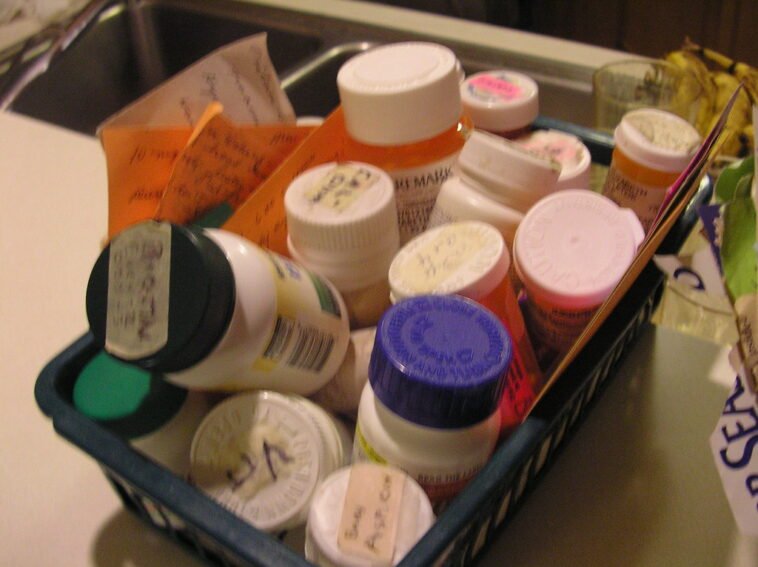
- Use a pill organizer even if you only take one supplement; it stops the ‘did I take that?’ anxiety.
- Buy frozen berries in bulk at Costco or Walmart; they’re cheaper and just as nutritious as fresh in the off-season.
- Don’t compare your recovery to someone else’s; their treatment, age, and biology are totally different from yours.
Frequently Asked Questions
What supplements should cancer survivors take?
Only what your doctor clears. I take 200mg CoQ10 and 500mg Omega-3s. Never start anything without blood work to see if you actually have a deficiency. Supplements aren’t a replacement for a healthy diet.
Is yoga good for cancer recovery?
Yes, it’s excellent for mobility and stress. Just avoid ‘hot’ yoga initially until you’re sure your body regulates temperature well. Stick to gentle Hatha or restorative classes. It really helped my stiff joints.
Best way to manage post-treatment fatigue?
Pacing. Don’t do everything on your ‘good’ days. If you feel great, do 10% more, not 100% more. Overexertion leads to a crash that can set you back for days. Pace yourself.
Final Thoughts
Recovering is a slow, messy process, and that’s okay. You don’t need to be perfect or follow every trendy wellness hack. Focus on high-quality protein, gentle movement, and getting your doctor’s input on any supplements. You’re doing better than you think. Take it one day at a time, listen to your body, and don’t be afraid to rest when you need it. You’ve been through enough; be kind to yourself today.


GIPHY App Key not set. Please check settings