



 Xplorely
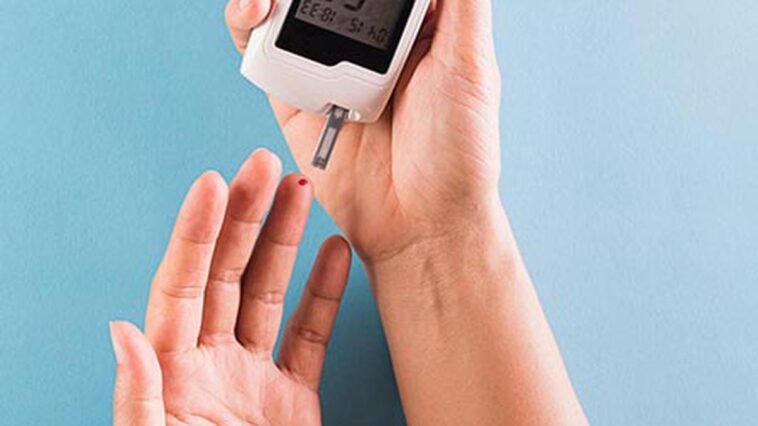
Look, I used to think the only way to get fit and stay healthy was to slog it out on the treadmill for an hour, day after day. Honestly, I’d dread it. But then I started reading up on the latest research, and it hit me: the old ‘more is better’ mantra for exercise might actually be wrong, especially when it comes to serious stuff like preventing type 2 diabetes. What if exercising harder, not just longer, may lower your type 2 diabetes risk, even for beginners? I was skeptical at first, but after tweaking my own routine a couple of years ago, I’ve seen a huge difference in my energy levels, my body composition, and just how much I actually *enjoy* working out. It turns out, that intense, shorter burst of effort is a total powerhouse for your metabolic health. And trust me, you don’t need to be an Olympic athlete to do it.
📋 In This Article
- Why Your Body Cares About Intensity More Than Minutes
- Defining “Harder” for Real-World Beginners
- My Go-To Beginner HIIT Workout (No Gym Needed!)
- Beyond Cardio: Why Strength Training is Your Diabetes Ally
- Fueling Your Body and Mind for Peak Performance (and Prevention)
- Realistic Expectations & Sticking With It
- ⭐ Pro Tips
- ❓ FAQ
Why Your Body Cares About Intensity More Than Minutes
Okay, so here’s the real talk: for years, we’ve been told to get our 30 minutes of moderate activity most days. And yeah, that’s better than nothing, absolutely. But when it comes to really moving the needle on things like insulin sensitivity – which is huge for preventing type 2 diabetes – intensity is the secret sauce. Your body responds differently to a short, intense burst of effort than it does to a long, steady stroll. I mean, think about it: when you push yourself hard, even for a minute or two, your muscles are screaming for energy. They’re quickly depleting their glucose stores, making them much more receptive to taking up glucose from your bloodstream *after* your workout. That’s a big deal for keeping blood sugar balanced. I started feeling this difference myself back in 2024 when I swapped some of my longer runs for quick, punchy sprints. My recovery felt faster, and I just felt… more alive.
What’s Happening Inside Your Body?
When you exercise intensely, your muscles become incredibly efficient at using glucose for fuel, even without a lot of insulin. This is called improved insulin sensitivity. It means your body doesn’t have to pump out as much insulin to get sugar into your cells, which is exactly what we want to avoid with type 2 diabetes. That rapid energy demand during high-intensity work is like a wake-up call for your metabolic system, telling it to get better at handling sugar. Always check with your doctor before starting any new intense exercise routine, especially if you have existing health conditions.
The Myth of “More is Always Better”
Honestly, I used to believe that. If 30 minutes was good, 60 minutes had to be twice as good, right? Nope. For metabolic health, there’s a point of diminishing returns with duration if the intensity isn’t there. You can walk for an hour and burn calories, sure, but a 20-minute workout that includes some hard intervals can actually have a more profound effect on your insulin sensitivity and glucose regulation. It’s about triggering those specific physiological adaptations, not just logging miles.
Related Reading
Defining “Harder” for Real-World Beginners
Okay, so ‘harder’ sounds intimidating, I get it. But for a beginner, it doesn’t mean you need to be flipping tires or doing burpees for an hour straight. It means pushing *your* current limits. If walking up a flight of stairs usually leaves you a little breathless, then walking up two flights, a bit faster, is ‘harder’ for you. The goal is to reach a point where talking in full sentences becomes difficult, where you’re really breathing heavy, for short bursts. We’re talking about periods of 30 seconds to a minute, followed by recovery. I remember my first few attempts at this in early 2025; I felt a bit silly huffing and puffing after a minute, but that’s exactly where the magic happens.
Finding Your “Hard”: The RPE Scale
The easiest way to gauge this is using the RPE (Rate of Perceived Exertion) scale. It goes from 1 (sitting on the couch) to 10 (all-out, can’t breathe). For those intense bursts, you want to hit a 7 or 8. You shouldn’t be able to hold a conversation. During recovery, you’ll drop to a 4 or 5. This scale is super personal, which is perfect because it adapts to *your* fitness level. You’ll know when you’re there.
Short Bursts, Big Impact (HIIT for Beginners)
This is where High-Intensity Interval Training, or HIIT, shines. It’s not just a trendy buzzword; it’s genuinely effective. You alternate short periods of max effort with brief recovery periods. For beginners, this might look like walking fast for 1 minute, then walking at a normal pace for 2 minutes, repeating that for 15-20 minutes. It’s simple, efficient, and surprisingly effective. And you don’t need fancy gym equipment to do it.
My Go-To Beginner HIIT Workout (No Gym Needed!)
When I first started dabbling with higher intensity in late 2024, I didn’t want to buy a gym membership or spend hours figuring out machines. So, I focused on bodyweight and outdoor options. Here’s a simple 20-minute routine I still use on busy days, and it’s perfect if you’re just starting out. It’s all about moving quickly and using your own body. You’ll want to do this 3-4 times a week, leaving a day between sessions for recovery. Remember to check with your doctor before starting, especially if you have any pre-existing health issues.
The 20-Minute At-Home Power Boost
Start with a 5-minute warm-up: light jogging in place, arm circles, leg swings. Then, do 45 seconds of fast jumping jacks (or marching in place if jumps are too much), followed by 15 seconds rest. Next, 45 seconds of bodyweight squats (go as low as comfortable), 15 seconds rest. Then, 45 seconds of high knees, 15 seconds rest. Repeat this circuit 3-4 times. Finish with a 5-minute cool-down: gentle stretching. You’ll be breathing hard, trust me!
Safety First: Warming Up and Cooling Down
Seriously, don’t skip these. A proper warm-up (5-10 minutes of light cardio and dynamic stretches) gets your muscles ready and prevents injury. A cool-down (5 minutes of static stretches) helps your heart rate come down gradually and improves flexibility. It’s not just ‘extra time’; it’s crucial for making sure your body can handle the intensity you’re about to throw at it and recover properly.
Beyond Cardio: Why Strength Training is Your Diabetes Ally
Okay, so we’ve talked about intensity in cardio, but here’s where a lot of people miss a huge opportunity: strength training. Building muscle isn’t just for looking good; it’s a metabolic powerhouse. Muscle tissue is metabolically active, meaning it burns more calories at rest than fat tissue. And crucially, it’s a major storage site for glucose. The more muscle you have, the more places your body has to stash away excess sugar from your bloodstream. It’s like having a bigger, more efficient sugar disposal system. I used to hate lifting weights, but once I understood this connection to my health, it completely changed my perspective. I started with simple resistance bands I bought on Amazon for about $20 USD, and it was a revelation.
Don’t Skip the Weights (Even Light Ones!)
You don’t need to become a competitive powerlifter. Just 2-3 sessions a week of full-body strength training can make a massive difference. Focus on compound movements using your body weight (squats, lunges, push-ups against a wall or incline) or light dumbbells. It’s about challenging your muscles to grow stronger and more efficient at handling glucose. Think of it as investing in your body’s sugar-handling infrastructure.
Making Everyday Movement Count
You can add intensity to your daily life too. Instead of taking the elevator, power walk up the stairs. Carry your groceries in one trip (if safe!) rather than two. Park further away from the store entrance and walk briskly. These little bursts of effort add up throughout the day and contribute to that overall metabolic benefit. It’s not always about a dedicated workout; sometimes it’s about making your normal activities a little ‘harder’.
Fueling Your Body and Mind for Peak Performance (and Prevention)
Working out harder is fantastic, but it’s only one piece of the puzzle. You can’t out-train a poor diet or chronic sleep deprivation. Your body needs proper fuel and recovery to adapt to these new demands and truly maximize its ability to lower your type 2 diabetes risk. I learned this the hard way during a particularly stressful period in 2025 where my sleep went to heck, and suddenly my workouts felt awful, and I was craving all the sugar. It made me realize just how interconnected everything is. You’re asking a lot of your body, so you need to give it a lot back.
Fueling Your Body for Intensity (Post-Workout Protein)
After an intense workout, your muscles are hungry. Giving them about 20-30 grams of protein within an hour or two helps them repair and grow. This could be a scoop of your favorite whey protein (I like Optimum Nutrition Gold Standard Whey, usually around $45-$60 for a 2lb tub), Greek yogurt, or a chicken breast. Combine it with some complex carbs like oats or a banana for optimal recovery. Don’t skip this; it’s crucial for getting stronger and adapting.
Sleep: Your Secret Weapon Against Diabetes Risk
Seriously, sleep is non-negotiable. When you’re sleep-deprived, your body becomes less sensitive to insulin, and your hunger hormones go haywire. Aim for 7-9 hours a night. I know, easier said than done sometimes, but even small improvements can help. Turn off screens an hour before bed, keep your room cool and dark. It’s not just about feeling rested; it’s a powerful tool in your diabetes prevention arsenal.
Realistic Expectations & Sticking With It
Here’s the thing about making changes for your health: it’s a marathon, not a sprint. You’re not going to magically reverse your diabetes risk overnight, or even in a week. But consistent, smart effort? That’s where the real, lasting change happens. Don’t beat yourself up if you miss a workout or have an off day. I’ve had plenty of those, especially when life gets crazy. The key is to just get back to it the next day. It’s about building a sustainable habit, not chasing perfection.
What You Won’t See Overnight (Realistic Timeframe)
You might feel more energetic and stronger within a few weeks, which is awesome! But significant changes in insulin sensitivity and glucose control often take 8-12 weeks of consistent effort. Stick with it. Get your blood work checked (with your doctor!) after a few months and you might be genuinely surprised by the improvements in your markers. This isn’t a quick fix, but it’s a powerful long-term strategy.
When to Push, When to Pull Back (Listening to Your Body)
Listen to your body. If you’re feeling genuinely exhausted, sore beyond belief, or starting to feel sick, it’s okay to take an extra rest day or dial down the intensity. Pushing through severe fatigue can lead to injury or burnout. Recovery is just as important as the workout itself. Some days you’ll hit that RPE 8, and other days a good, solid RPE 6-7 is perfectly fine. It’s about sustainable progress.
⭐ Pro Tips
- Try a Tabata protocol: 20 seconds all-out effort, 10 seconds rest, repeat 8 times for a brutal 4-minute burst. You’ll be amazed.
- No time for the gym? Search YouTube for ‘beginner HIIT no equipment’ – tons of free, effective workouts. I like Caroline Girvan’s stuff, though some of her videos are advanced, she has beginner options.
- Invest in a simple timer app (many are free!) to keep your intervals precise. It makes a huge difference in consistency.
- A common beginner mistake is not recovering enough. Don’t do intense workouts on consecutive days; give your muscles 24-48 hours to repair.
- The single biggest thing that helped me was logging my workouts in a simple notebook. Seeing my progress, even small gains, was incredibly motivating.
Frequently Asked Questions
Can I really lower my type 2 diabetes risk with shorter workouts?
Yes, absolutely! Studies show that high-intensity interval training (HIIT) and strength training, even in shorter durations (15-30 minutes), can significantly improve insulin sensitivity and glucose control, directly reducing your type 2 diabetes risk. It’s about quality, not just quantity.
How much does it cost to start high-intensity exercise at home?
It can cost literally nothing! You can use your body weight for exercises like squats, lunges, and jumping jacks. If you want to add a little something, a set of resistance bands might cost you around $15-$30 USD on Amazon or at a local sports store.
Is high-intensity interval training (HIIT) actually worth it for beginners?
Yes, 100%. For beginners, HIIT is incredibly efficient. It builds fitness quickly, boosts metabolism, and has powerful effects on blood sugar regulation. Just remember to start slow, listen to your body, and choose beginner-friendly exercises to avoid injury.
What’s the best workout alternative if I can’t do intense jumping?
If high-impact isn’t for you, try incline walking or cycling. On a treadmill, set a high incline (8-12%) and walk briskly for 1-2 minutes, then recover at a lower incline. On a stationary bike, alternate between high resistance sprints and moderate pedaling. Swimming is also fantastic.
How long until I see results in my blood sugar from intense exercise?
You might see small improvements in blood sugar control within a few weeks, but more significant and lasting changes, particularly in insulin sensitivity, typically take 8 to 12 weeks of consistent, hard effort. Stick with it, consistency is key!
Final Thoughts
So, there you have it. If you’ve been feeling bogged down by the idea of endless, boring workouts, I hope this helps you rethink your approach. Exercising harder, not just longer, really can make a huge difference in lowering your type 2 diabetes risk, even if you’re just starting out. It’s about working smarter, pushing your limits in short, controlled bursts, and giving your body the signal to become more efficient with glucose. Don’t forget to fuel your body right and prioritize sleep, because it all works together. And please, always, always check in with your doctor before diving into any new exercise program. Now, go give it a try! You might just surprise yourself with how much you enjoy feeling strong and energized.


GIPHY App Key not set. Please check settings