



 Xplorely
Okay, so let’s talk about something that sounds totally boring, but honestly, it changed the game for me when it came to losing weight: eating the same meals every day. I know, I know, it sounds like diet prison, right? But hear me out. For years, I struggled with decision fatigue around food, constantly trying to figure out what to cook, what was healthy, what fit my macros. It was exhausting, and often, I’d just give up and order takeout. But once I started simplifying, really simplifying, my daily food choices, the pounds actually started to drop. It wasn’t some crazy new diet pill or a trendy superfood; it was just consistency, born from repetition. If you’re feeling overwhelmed by food choices and want to make real progress, this strategy could be exactly what you need. Trust me, it’s less restrictive than you think.
📋 In This Article
The Surprising Power of Monotony (No, Really)
You know that feeling when you open the fridge, stare blankly, and then just close it again, overwhelmed by options? That’s what I call the ‘food choice paralysis,’ and it’s a huge barrier to weight loss for so many of us. When you’re trying to eat healthier, every meal becomes a mini-project: planning, prepping, cooking, tracking. It’s a lot, especially after a long day at work. But when you simplify, when you commit to eating the same meals every day for a period, you completely bypass all that mental chatter. Suddenly, there’s no decision to make, no willpower to exert. You just eat your pre-planned, healthy meal. It sounds boring, sure, but the mental space it frees up? Priceless. I found myself sticking to my calorie goals without even thinking about it, which was a first for me.
How ‘Decision Fatigue’ Sabotages Your Diet Goals
Think about it: from the moment you wake up, you’re making decisions. What to wear, what emails to answer first, what route to take to work. By the time dinner rolls around, your brain is toast. This ‘decision fatigue’ makes you more likely to opt for easy, often unhealthy, choices. When you remove the daily food decisions, you save that precious mental energy. It’s like having one less thing to worry about, and that makes all the difference when you’re trying to build new habits. You’re essentially automating your healthy eating.
My Own Journey: From Overwhelmed to On Track
I started this whole thing back in late 2024, after a particularly frustrating holiday season. I was tired of the yo-yo. So, I picked three breakfasts, three lunches, and three dinners that I actually enjoyed, were relatively easy to make, and fit my calorie targets. For breakfast, it was often Greek yogurt with berries and nuts. Lunch was usually a big salad with chicken or lentils. Dinner? Baked salmon with roasted veggies, or a turkey chili. I’d cycle through these, sometimes eating the exact same lunch for five days straight. And honestly? The weight started coming off. I lost 15 pounds in about three months without feeling deprived, just consistent.
Related Reading
Building Your Core Meal Template: What to Look For
Okay, so you’re thinking about trying this. The key isn’t to just eat bland chicken and broccoli forever. It’s about finding meals you genuinely like, that are nutritious, and that you won’t get sick of after a week. I focused on a few core components: protein, fiber, and healthy fats. These are your satiety superstars. You want meals that keep you full and energized, not craving snacks an hour later. And remember, seasonal ingredients in April 2026 mean things like asparagus, spring greens, and fresh strawberries are fantastic right now! Don’t be afraid to lean into those fresh flavors.
Prioritizing Protein and Fiber for Satiety
Protein and fiber are non-negotiable for weight loss. Protein helps build and preserve muscle, and both protein and fiber keep you feeling full for longer, reducing the urge to snack. Aim for at least 20-30g of protein per meal. Think chicken breast, fish, lean ground turkey, eggs, Greek yogurt, lentils, or a good quality protein powder like Optimum Nutrition Gold Standard whey (I use about 25g in my morning smoothie). For fiber, load up on veggies, fruits, and whole grains.
Don’t Forget Healthy Fats and Micronutrients
People often cut out fat entirely when dieting, but healthy fats are crucial for hormone function and nutrient absorption. A small amount of avocado, a drizzle of olive oil, or a handful of nuts can make your meal more satisfying and keep you fuller. And don’t forget your micronutrients! By varying your chosen ‘same meals’ a little, you ensure you’re getting a good range of vitamins and minerals. Think colorful veggies: bell peppers, spinach, broccoli, carrots. Make sure your core meals are balanced, not just low-calorie.
Practical Strategies for Sticking to Your Meal Plan
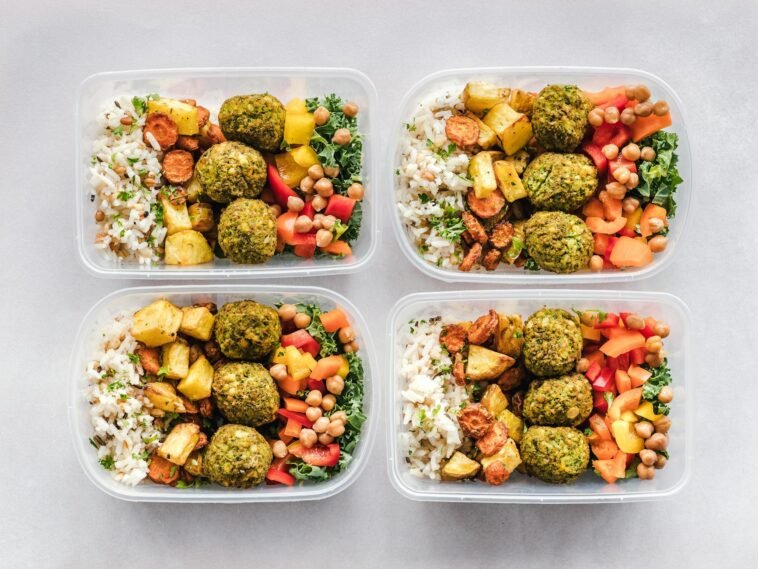
This isn’t about willpower, it’s about systems. You can’t just decide to eat the same meals and expect it to magically happen. You need a plan. For me, that meant dedicating a couple of hours on Sunday afternoon to what I call ‘power prep.’ It’s not glamorous, but it saves me so much mental energy and time during the week. I’ll cook up a big batch of quinoa, roast a tray of sweet potatoes and broccoli, and grill a bunch of chicken breasts. Then, during the week, it’s just assembly. Trust me, future you will thank present you for this effort.
The Power of Batch Cooking on Weekends
Batch cooking is your secret weapon. Pick one or two protein sources (chicken, ground turkey, lentils), a couple of complex carbs (quinoa, brown rice, sweet potatoes), and a bunch of non-starchy vegetables. Cook them all at once. Store them in airtight containers. Then, each day, you just mix and match. It takes maybe 2-3 hours on a Sunday, but it frees up your entire weeknight schedule. I use these glass containers from Pyrex, they’re about $25 for a set of 5 on Amazon, and they’re fantastic.
Smart Snacking: Keeping Cravings at Bay
Even with consistent meals, cravings happen. So, have a few go-to healthy snacks ready. I always keep Greek yogurt, apples, carrots with hummus, or a handful of almonds on hand. The trick is to have them pre-portioned. Don’t grab the whole bag of almonds; measure out 1/4 cup. This takes the guesswork out and prevents overeating. And if you’re feeling peckish, drink a big glass of water first. Sometimes you’re just thirsty, not hungry.
Addressing the Boredom Factor (It’s Real, I Get It)
Look, I’m not going to lie and say you’ll never get bored. You might. Especially if you pick super bland meals. But boredom is often a mental hurdle, not a physical one. And you can combat it without abandoning the entire strategy. This isn’t about eating the exact same plate of food every single day for the rest of your life. It’s about establishing a routine, building consistency, and proving to yourself that you can stick to a plan. Once you have that foundation, you can absolutely introduce variety back in, but with intention, not impulse.
Small Tweaks That Make a Big Difference
This is where the fun comes in! Instead of completely changing your meal, change the seasoning. A different spice blend (like a smoky paprika on chicken one day, a lemon-herb blend the next), a new hot sauce, or a fresh squeeze of lime can totally transform a meal. Swap out your roasted broccoli for green beans one week. Add some fresh cilantro or parsley. These tiny changes keep things interesting without derailing your consistency. It’s about ‘same but different’ enough to keep your taste buds happy.
The ‘Flex Day’ Strategy for Sanity
I advocate for a ‘flex day’ or ‘flex meal’ once or twice a week. This isn’t a ‘cheat day’ where you go wild; it’s a planned meal where you eat something different, maybe try a new recipe, or enjoy a meal out with friends. This gives you something to look forward to and prevents feeling too restricted. For me, it’s usually Friday night takeout with my partner, or trying a new healthy restaurant on a Saturday. Just make sure it’s one meal, not an entire day of indulgence, or you’ll undo your week’s progress. Check with your doctor if you’re unsure about fitting flex meals into your diet plan, especially if you have specific health conditions.
Beyond the Scale: Other Benefits You’ll Notice
While weight loss is often the primary goal, I was genuinely surprised by all the other positive side effects of eating the same meals every day. My energy levels became incredibly stable – no more midday crashes! My digestion improved, probably because I was eating less processed junk and more whole foods. And my grocery bill? Dramatically lower. It’s like a domino effect of good habits. This strategy isn’t just about cutting calories; it’s about creating a more predictable, less stressful relationship with food.
Saving Money and Reducing Food Waste
When you’re buying ingredients for a limited set of meals, you’re buying in bulk and using everything you purchase. No more random veggies wilting in the back of the fridge! I found my weekly grocery bill dropped by about $30-$50 just by being more intentional and repetitive. Plus, batch cooking means less food waste because you’re planning exactly what you’ll eat. It’s a win-win for your wallet and the environment.
Improved Digestion and Energy Levels
Eating consistent, whole-food-based meals at similar times each day really helps regulate your digestive system. I noticed less bloating and more regular bowel movements. And because my blood sugar wasn’t constantly spiking and crashing from random snacks and processed foods, my energy was much more consistent throughout the day. I felt more alert and focused, especially in the afternoons, which was a huge bonus I hadn’t even anticipated.
Is This Really Sustainable Long-Term?
Okay, so this is the big question, right? Is eating the same meals every day something you can do forever? For some people, yes, absolutely. For others, maybe not to the extreme of eating the *exact* same thing every single day. But the principles? Absolutely sustainable. The idea of simplifying your food choices, having a few go-to healthy meals, and reducing decision fatigue – those are habits that will serve you well for life. It’s about finding your personal sweet spot between consistency and variety, and that might evolve over time. Check with your doctor or a registered dietitian to make sure your long-term plan is nutritionally sound.
Listening to Your Body and Adjusting
This isn’t a rigid dogma; it’s a tool. If you feel like you’re genuinely lacking certain nutrients, or if you’re just plain miserable, it’s okay to adjust. Listen to your body. Maybe you need to swap out chicken for fish more often, or add a different type of vegetable. The goal is health and sustainability, not suffering for the sake of a diet. This approach gives you a solid foundation, and from there, you can fine-tune it to fit your needs and preferences.
When to Switch Things Up (and How)
After a few months, once you’ve built that consistency and seen results, you might feel ready to introduce more variety. Don’t just throw everything out the window. Instead, swap one of your core meals for a new healthy recipe you’ve been wanting to try. See how it fits. If it works, keep it in the rotation. If not, go back to your tried-and-true. It’s a gradual process. Maybe you keep your breakfasts and lunches consistent, but experiment more with dinners. Find what feels right for you and your lifestyle.
⭐ Pro Tips
- Invest in good meal prep containers. I swear by the glass Pyrex ones; they’re about $25 for a set of 5 on Amazon. They go from fridge to microwave easily.
- Always keep a bag of frozen mixed berries and a tub of plain Greek yogurt in your fridge/freezer. They’re perfect for a quick, high-protein breakfast or snack, costing under $10 for a week’s supply.
- Prep your protein first. Cook a big batch of chicken, ground turkey, or lentils on Sunday. This is the hardest part of the meal, so getting it done early makes everything else simple.
- Don’t fall for the ‘perfect meal’ trap. Your meals don’t have to be Instagram-worthy. They just need to be nutritious and consistent. Ugly food tastes just as good!
- The biggest difference for me was tracking my initial core meals in an app like MyFitnessPal for a week. It showed me the actual calorie and macro breakdown, so I knew I was on target without guessing later.
Frequently Asked Questions
Will I get bored eating the same food every day for weight loss?
It’s possible, but you can combat it with small seasoning changes or a planned ‘flex meal’ once or twice a week. The mental freedom often outweighs the boredom, honestly.
How much does it cost to eat the same meals for a week?
I found my grocery bill dropped significantly. You can easily eat well for $50-$70 USD per week by focusing on staple ingredients like chicken, rice, eggs, and seasonal veggies.
Is eating the same meals every day actually healthy long-term?
Yes, if your core meals are nutritionally balanced, providing a range of protein, fiber, healthy fats, and micronutrients. Always check with your doctor or a dietitian to be safe.
What are some easy, healthy meals to eat every day?
Think baked chicken/salmon with roasted veggies, big salads with lean protein, Greek yogurt with berries and nuts, or turkey chili. Focus on protein, fiber, and healthy fats.
How long should I eat the same meals to see weight loss results?
You could see results within 2-4 weeks. Consistency is key. Stick with it for at least a month to really establish the habit and track your progress accurately.
Final Thoughts
So, here’s my honest take: eating the same meals every day isn’t a magic bullet, but it’s a powerful tool for simplifying your weight loss journey and building consistent, healthy habits. It removes decision fatigue, saves you time and money, and lets you focus on actually sticking to your goals instead of constantly planning. I’ve personally seen incredible results, and so have many others. If you’re feeling stuck, give it a shot for a month. Pick 2-3 healthy meals you genuinely enjoy, batch cook them, and just see what happens. You might be surprised by how much freedom you find in the routine. And as always, before making any big dietary changes, have a quick chat with your doctor, okay?




GIPHY App Key not set. Please check settings