



 Xplorely
Disclosure: This post may contain affiliate links. Purchases through these links support our site at no extra cost to you.
Okay, so I saw this headline floating around: ‘Eating more watermelon may help prevent heart disease.’ My first thought? ‘Seriously? A fruit I love that’s basically 92% water?’ But then I got curious. I’m always looking for simple ways to keep my ticker happy, and honestly, who *doesn’t* love watermelon? So, I did some digging, and here’s the real deal on why this summer staple might be a bigger deal for your heart health than you think.
📋 In This Article
What’s In That Watermelon, Anyway?
It’s easy to dismiss watermelon as just ‘sugar water,’ but it’s packed with some surprisingly beneficial stuff. The star player here is citrulline. It’s an amino acid that your body converts into arginine, which is crucial for making nitric oxide. Why care about nitric oxide? Because it helps relax your blood vessels, which can lower blood pressure. I found that incorporating watermelon into my diet, especially after a workout when I’m feeling a bit dehydrated, seemed to help me feel less sluggish. Plus, it’s got lycopene (that’s the stuff that makes tomatoes red too!) and vitamins A and C, all good antioxidants.
Related Reading
The Citrulline Connection
This is where the magic really happens. Studies I read suggest that consistent intake of citrulline, found in good amounts in watermelon (especially the rind, though most people stick to the flesh!), can lead to measurable improvements in blood pressure. A serving of about 2 cups of diced watermelon gives you a decent kick of it.
My Personal Take: How I Added It In
Real talk: I eat watermelon all summer long. It’s my go-to snack. I’ll slice up about 2-3 cups (that’s roughly a quarter of a medium melon) and have it after my morning walk or as an afternoon pick-me-up. I also started adding blended watermelon chunks (seeds removed, obviously!) into my post-workout smoothies around July last year. It added a subtle sweetness and made the smoothie way more refreshing without adding a ton of calories. I didn’t notice overnight changes, but looking back, my energy levels felt more stable, and I definitely felt more hydrated overall.
Hydration Hero
This is a no-brainer. On hot days, when I’m struggling to hit my water intake goals, a big slice of watermelon is like a delicious, edible water bottle. It’s so much more satisfying than just plain water sometimes.
Beyond the Hype: What the Science Says (For Real)
Look, watermelon isn’t a magic bullet for heart disease. No single food is. But the evidence is pretty solid that it can contribute to better cardiovascular health. Research published in journals like the *Journal of Nutrition* has shown that watermelon extract, rich in citrulline, can improve arterial function and reduce stiffness in older adults. A study from 2023 even suggested that citrulline supplementation (though from concentrated sources, not just watermelon) could help reduce LDL cholesterol in people with high levels. So, while you won’t cure heart disease with watermelon alone, it’s a fantastic addition to a balanced diet.
Blood Pressure Benefits
This is the most consistently reported benefit. Several studies have indicated that regular watermelon consumption can lead to a reduction in blood pressure, particularly systolic pressure. This is great news for anyone looking for natural ways to manage their numbers.
Realistic Expectations & When to Be Cautious
So, how much watermelon should you be eating? I’d say aiming for 1-2 servings (around 1-2 cups) a few times a week is a good start. Don’t go overboard expecting miracles. It’s still a fruit, so it contains natural sugars. If you have diabetes or are monitoring your sugar intake closely, you’ll want to be mindful of portion sizes and talk to your doctor. I found that when I ate *too much* watermelon in one sitting, I’d get a bit of a sugar rush followed by a crash, so moderation is key, even with something so healthy.
Portion Control is Key
A standard serving is about 1 cup (152g) diced, which has around 11-12g of sugar. That’s not terrible, but it adds up if you’re eating half a melon at once. Stick to 1-2 cups per sitting.
⭐ Pro Tips
- Buy a whole seedless watermelon from a local farmer’s market in late May or June for the best flavor and price (usually around $7-$10 for a medium one).
- Freeze leftover watermelon chunks (seeds removed) for about 30 minutes, then blend with a splash of lime juice for a quick, healthy sorbet. Saves waste!
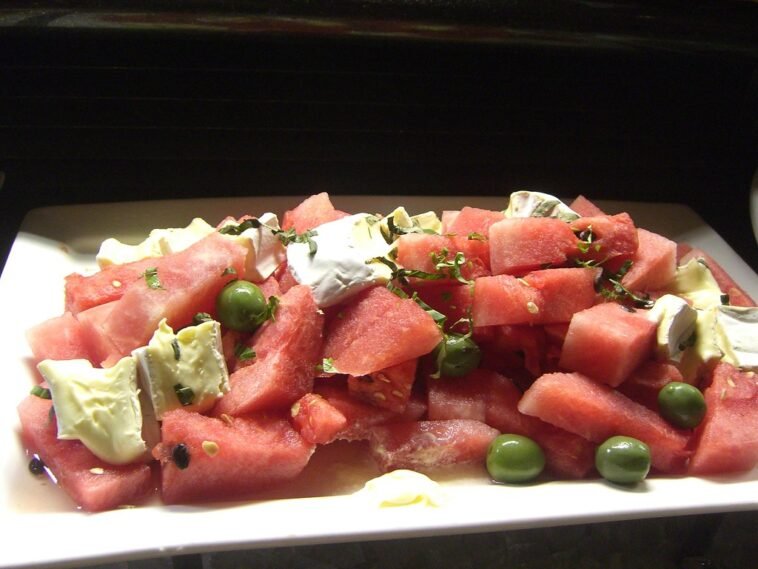
- Thinking watermelon is *only* good for dessert? Big mistake. Try it in savory salads with feta and mint. It’s surprisingly good and adds a refreshing twist.
Frequently Asked Questions
How much watermelon should I eat daily for heart health?
Aim for 1-2 cups (about 150-300g) of diced watermelon a few times a week, not necessarily every single day.
Is eating more watermelon actually worth it for heart health?
Yes, it can be a beneficial addition due to its citrulline content, which aids blood flow. But it’s part of a larger healthy lifestyle, not a cure.
Best watermelon variety for heart health benefits?
All varieties offer benefits. Seedless types like ‘Sugar Baby’ or ‘Crimson Sweet’ are convenient and widely available.
Final Thoughts
So, should you be adding more watermelon to your diet in 2026? If you enjoy it, absolutely. It’s a delicious, hydrating, and nutrient-rich fruit that can play a supportive role in keeping your heart healthy. Just remember it’s one piece of the puzzle. Keep up with your doctor, eat a varied diet, and enjoy that refreshing slice of summer!




GIPHY App Key not set. Please check settings