



 Xplorely
Disclosure: This post may contain affiliate links. Purchases through these links support our site at no extra cost to you.
Okay, so when I saw the news that healthy life expectancy in the UK has fallen by two years over the last decade, honestly? It hit me pretty hard. We’re talking about the years we live *without* major illness or disability, and seeing that number shrink just feels… wrong. It’s a huge wake-up call, you know? Like, are we really taking care of ourselves? I’ve been on my own health journey for years, trying all the things, and I’ve got some strong opinions on what actually makes a difference when it comes to living well longer.
📋 In This Article
What’s Really Happening with Our Health (and Why It Matters)
Look, the stats are clear: people in the UK are living longer, but we’re spending more of those extra years in poor health. That’s the part that really gets me. It’s not just about adding years to your life, it’s about adding *life* to your years, right? And if those years are filled with chronic pain, limited mobility, or constant fatigue, what’s the point? I think a lot of it comes down to our modern lifestyles — the constant stress, the convenience foods, the endless sitting. It’s a perfect storm for our bodies, and we’re seeing the results now. It’s a tough pill to swallow, but we can’t ignore it.
Related Reading
Understanding ‘Healthy Life Expectancy’
Basically, healthy life expectancy measures the average number of years a person is expected to live in good health. It’s not just about how long you’re alive, but how long you’re feeling good, moving freely, and generally thriving. When that number drops, it’s a big red flag for public health, indicating a rise in conditions that limit our quality of life sooner than they used to.
Movement: More Than Just ‘Exercise’ (My Go-To Strategies)
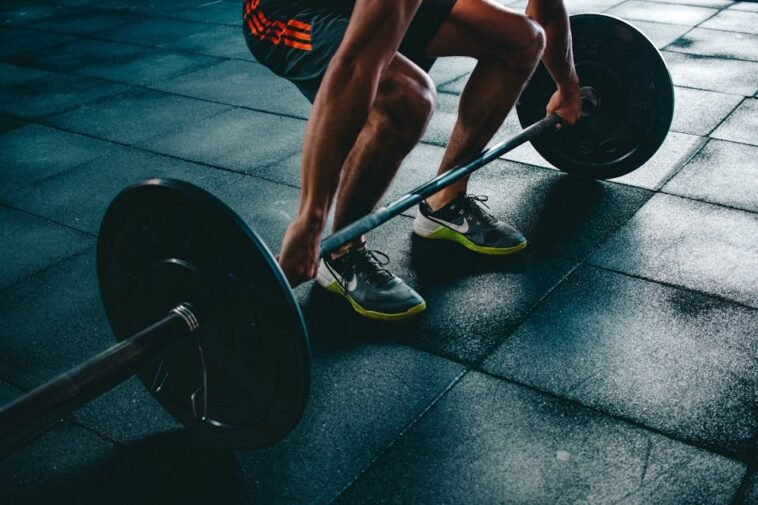
For years, I’d beat myself up trying to do intense gym sessions I hated. Then I realized: movement doesn’t have to be a punishment. It needs to be something you can actually stick with. For me, that’s three strength training sessions a week – usually 45 minutes to an hour – focusing on compound movements. I use the ‘Strong’ app to track my lifts, and honestly, seeing the progress keeps me motivated. But just as important? Walking. I aim for at least 8,000 steps daily. It’s not fancy, but it gets the job done. And my doctor always reminds me about bone density as I get older, so weight-bearing stuff is non-negotiable for me now. Seriously, check with your doctor before starting any new routine, especially if you have existing conditions.
Finding Your Sustainable Movement Routine
Forget ‘no pain, no gain.’ The best exercise is the one you actually do consistently. For me, that’s a mix of resistance training (I love my Bowflex adjustable dumbbells, they save space) and daily walks. Even just 30 minutes of brisk walking can make a huge difference, impacting everything from mood to cardiovascular health. Don’t underestimate it.
Eating Real Food: My Non-Diet Approach to Fueling My Body
Okay, let’s talk food. I used to fall for every diet trend out there. Keto, paleo, fasting — you name it, I tried it. And you know what? Most of them just made me miserable and obsessive. Now, my rule is simple: eat mostly whole, unprocessed foods. Lots of colorful veggies, good quality protein (chicken, fish, eggs, lentils), healthy fats like avocado and olive oil. I don’t count calories, but I do pay attention to how I feel after eating. If it leaves me sluggish or bloated, I know it’s probably not doing me any favors. And yes, I still enjoy a good slice of sourdough or a bit of dark chocolate. It’s about balance, not deprivation. I’m a big fan of shopping local at my farmer’s market every Saturday; the produce just tastes better and it’s usually cheaper than the big supermarkets.
Prioritizing Nutrient-Dense Meals
Instead of focusing on what you *can’t* eat, focus on what you *should*. Load up on leafy greens, berries, nuts, seeds, and lean proteins. I make a big batch of roasted veggies and grilled chicken on Sundays, so I have healthy options ready for lunch during the week. It takes the guesswork out of healthy eating, honestly.
Sleep & Stress: The Unsung Heroes of Longevity
Seriously, if there’s one thing I’ve learned that impacts my healthy life expectancy more than anything else, it’s sleep and stress management. For years, I skimped on sleep, thinking I was being ‘productive.’ Nope. It just made me grumpy, prone to illness, and unable to focus. Now, I aim for 7-8 hours, no excuses. I use an Oura Ring to track my sleep, and seeing that data really motivates me to hit my bedtime. And stress? That’s a silent killer. I’ve found a 10-minute meditation on the Calm app before bed helps immensely. Also, just making sure I’m taking proper breaks during the workday, stepping away from the screen, that’s crucial. My doctor said chronic stress is a huge factor in inflammation, and that’s something I definitely want to avoid.
My Evening Routine for Better Sleep and Less Stress
I dim the lights an hour before bed, put my phone away (seriously, ditch the scrolling), and read a physical book. Sometimes I’ll do a quick guided meditation. I also make sure my bedroom is cool and dark. It sounds simple, but creating a consistent routine tells your body it’s time to wind down, and it truly works wonders for sleep quality.
Supplements: What I Actually Take (and What I Skip)
Okay, real talk about supplements. The market is absolutely flooded with stuff, and most of it is probably a waste of money. But there are a few I genuinely believe in and take consistently, based on my own research and discussions with my GP. First up, Vitamin D3. Especially living in the UK, we just don’t get enough sun. I take 4,000 IU daily, year-round, from a reputable brand like Solgar. Then there’s Omega-3 fish oil, specifically for EPA and DHA. I aim for at least 2,000 mg of combined EPA/DHA daily, usually from Nordic Naturals Ultimate Omega. It’s great for brain health and inflammation. And finally, Magnesium Glycinate, 400 mg before bed, especially if I’m feeling restless. It helps with muscle relaxation and sleep. Beyond those three? I’m pretty skeptical, unless I have a specific deficiency identified by my doctor. Always, always check with your doctor before adding supplements, okay?
Why I Don’t Bother with Most ‘Miracle’ Supplements
So many supplements promise the moon, but the evidence just isn’t there. Things like detox teas, most ‘superfood’ powders, or expensive multi-level marketing products? I skip ’em. I’d rather invest in good quality whole foods and the few supplements with strong, science-backed benefits. My philosophy is always food first, then targeted supplementation if needed.
⭐ Pro Tips
- Swap one sugary drink a day for water or unsweetened tea. Over a year, that’s a huge reduction in empty calories and potential inflammation.
- Invest in a decent pair of walking shoes (like Brooks Adrenaline GTS, around £120/$150) and commit to a daily 30-minute walk. It’s cheaper than a gym membership and incredibly effective.
- Don’t fall for ‘quick fix’ diets. Focus on adding more vegetables, fruits, and lean proteins to your plate instead of restrictive eating. It’s more sustainable and healthier long-term.
Frequently Asked Questions
Is the UK healthy life expectancy really falling?
Yes, unfortunately, recent reports confirm that healthy life expectancy in the UK has declined by about two years over the past decade. It means people are spending more of their lives in poor health.
Are supplements actually worth it for improving health?
Honestly, most supplements are overhyped. I only recommend a few with strong scientific backing, like Vitamin D, Omega-3s, and Magnesium, if your diet is lacking. Always prioritize real food first.
What’s the single most important thing I can do for my healthy life expectancy?
That’s a tough one, but if I had to pick, I’d say consistent, quality sleep. It impacts everything from hormone regulation to immune function and mental clarity. Aim for 7-8 hours nightly.
Final Thoughts
So, yeah, the news about the UK healthy life expectancy falling is a bit grim. But it doesn’t mean we’re powerless. Small, consistent changes really do add up. Focus on moving your body, eating mostly real food, prioritizing sleep, and managing your stress. Don’t try to change everything at once; pick one thing this week and stick with it. And seriously, talk to your doctor about your health goals. They’re your best resource. We’ve got this, one healthy choice at a time.




GIPHY App Key not set. Please check settings