



 Xplorely
Disclosure: This post may contain affiliate links. Purchases through these links support our site at no extra cost to you.
Okay, so for years, I was convinced I had Lyme disease. I had all the classic symptoms – the fatigue that felt like lead weights, the joint pain that made getting out of bed a battlefield, the brain fog so thick I’d forget why I walked into a room. My doctor even suspected it, and we went through the whole tick-prevention rigmarole. But then, a different set of tests, a different doctor’s hunch, and BAM! Lupus. It’s been a wild ride, and honestly, the misdiagnosis part was tough, but understanding the *real* issue was, in the end, completely worth it.
📋 In This Article
The Lyme Disease Rabbit Hole: What I Thought Was Happening
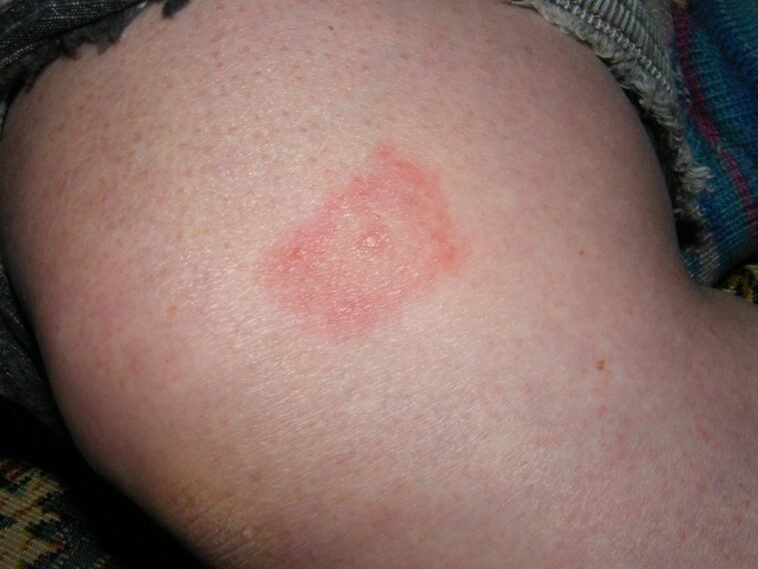
It started subtly, like most chronic illnesses do. I live near a wooded area, so Lyme felt like the most logical explanation. My symptoms – intermittent fevers, migrating joint pain, a strange rash that wasn’t quite the bullseye but definitely looked suspicious – all fit. I remember one particularly rough week in late 2023 where I could barely function. I’d Googled every Lyme symptom imaginable, convinced a tick had been my unwelcome roommate. I even bought a high-dose Vitamin C supplement, thinking it would boost my immune system against whatever bug was plaguing me. I was desperate for answers, and Lyme seemed to fit the narrative I was building.
Related Reading
My ‘Lyme’ Symptom Checklist
Fatigue, joint pain (especially knees and wrists), recurring headaches, brain fog, and a weird, non-bullseye rash on my arm. It felt like a perfect match for Lyme, especially living in an area with ticks.
The Turning Point: When the Diagnosis Shifted
The real breakthrough came during a routine physical in early 2025. My primary care physician, bless her, noticed some things that didn’t quite line up with Lyme. My blood work showed some unusual markers – things like a low white blood cell count and positive ANA (Antinuclear Antibody) test, which isn’t typical for Lyme. She referred me to a rheumatologist, and that’s where the lupus conversation started. I was skeptical at first. Lupus? I’d only ever heard of it in hushed tones, usually linked to older women. But the rheumatologist was patient, explaining how many autoimmune diseases can mimic each other, especially in their early stages. She ordered more specific blood tests, including anti-dsDNA and complement levels, which came back positive.
Key Diagnostic Clues
Positive ANA, low white blood cell count, and specific antibodies like anti-dsDNA. These pointed away from an infectious cause like Lyme and towards an autoimmune condition.
Living with Lupus: My New Reality and Treatment Plan
Getting the lupus diagnosis was actually a relief, believe it or not. It meant there was a name for what I was going through, and more importantly, a path forward. My rheumatologist started me on Plaquenil (hydroxychloroquine) – 200mg once daily. It’s not a miracle cure, but it’s been instrumental in reducing inflammation and preventing flare-ups. I’ve also been working with a nutritionist to focus on an anti-inflammatory diet, cutting back on processed foods and increasing my intake of fruits, vegetables, and healthy fats. And yes, I still take a good quality Omega-3 supplement, like Nordic Naturals Ultimate Omega, 2 capsules daily, because it helps with joint inflammation. It’s a daily management game, for sure.
My Current Treatment Regimen
Plaquenil (hydroxychloroquine) 200mg daily, an anti-inflammatory diet, and Omega-3 supplements (Nordic Naturals Ultimate Omega, 2 caps/day). Check with your doctor for personalized advice!
Was the Misdiagnosis Worth It? My Honest Take
This is the big question, right? Was spending years thinking I had Lyme, only to find out it was lupus, ‘worth it’? From a suffering perspective, absolutely not. Those years were filled with confusion, frustration, and a feeling of being unheard. However, the *process* of getting to the right diagnosis, even with the detour, was invaluable. It taught me to be a more assertive patient, to seek second (and third!) opinions, and to really listen to my body. And honestly, the relief of having a correct diagnosis and a treatment plan that actually *works* for lupus? That’s priceless. It’s not about whether the misdiagnosis was ‘worth it,’ but about how you move forward once you have the right information. And for that, yes, it was worth the fight.
The Silver Lining
The journey, though difficult, made me a more informed and proactive patient, which is crucial for managing any chronic condition.
⭐ Pro Tips
- Keep a detailed symptom journal: Track what you feel, when, and potential triggers. I used an app called ‘Cara’ which was super helpful.
- Don’t be afraid to seek second opinions: If something feels off, or you’re not getting answers, find another doctor. It’s your health!
- Understand your insurance: Know what diagnostic tests and specialist visits are covered. For rheumatology, you often need a referral. Check with your provider!
Frequently Asked Questions
Can Lyme disease symptoms look like lupus?
Yes, absolutely. Both are complex conditions with overlapping symptoms like fatigue, joint pain, and fever, making initial misdiagnosis common.
Is lupus harder to diagnose than Lyme disease?
Diagnosis can be challenging for both. Lupus often requires a combination of clinical symptoms and specific blood tests, whereas Lyme diagnosis can be tricky due to variable test accuracy.
What is the best treatment for lupus?
Treatment varies, but often includes anti-inflammatory drugs like Plaquenil (hydroxychloroquine), immunosuppressants, and lifestyle changes. Always consult your doctor.
Final Thoughts
So, if you’re struggling with unexplained symptoms, please don’t give up. Advocate for yourself, keep pushing for answers, and remember that sometimes the path to the right diagnosis isn’t straight. My detour through Lyme disease suspicion led me to my lupus diagnosis, and that clarity has been everything. Keep talking to your doctor, and trust your gut.




GIPHY App Key not set. Please check settings