



 Xplorely
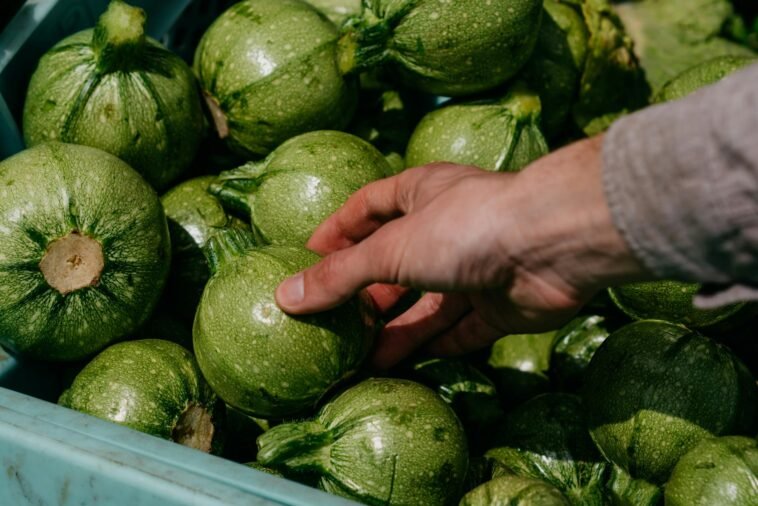
Look, I know new dietary guidelines can feel like another complicated rulebook, right? But the ones that just came out in April 2026? They’re surprisingly straightforward, focusing on 9 simple ways to lower heart disease risk. Honestly, when I first heard ‘new guidelines,’ I braced myself for a headache, but these are really about refining what we already know works, making it more accessible. They’re less about restrictive diets and more about sustainable habits. I’ve been digging into them, comparing notes with my own experiences, and talking to a few doctor friends, and I’m genuinely excited about how practical these are for all of us. No crazy supplements or fad diets, just real food and smart choices.
📋 In This Article
- Eat More Plants, Ditch the Ultra-Processed Stuff (Seriously)
- Smart Fat Choices: Quality Over Quantity
- Sodium Awareness: It’s Not Just the Salt Shaker
- Sugar Crackdown: The Sweet Truth About Your Heart
- Move Your Body Consistently: More Than Just the Gym
- Prioritize Sleep: Your Heart Needs Its Rest
- ⭐ Pro Tips
- ❓ FAQ
Eat More Plants, Ditch the Ultra-Processed Stuff (Seriously)
This one isn’t new, but the 2026 guidelines really hammer it home: your plate should be *bursting* with plants. And I’m not just talking about a side salad. We’re talking whole grains, fruits, veggies, legumes, nuts, seeds – the works. I’ve found that aiming for at least half my plate at every meal to be plant-based makes a huge difference. Think about it: a big bowl of oats with berries for breakfast, a giant salad with chickpeas for lunch, and a veggie-heavy stir-fry for dinner. It’s not about being vegetarian, but about prioritizing those nutrient-dense foods. The less processed junk you eat, the better. That means saying goodbye to those sugary cereals, frozen dinners packed with weird ingredients, and most fast food. Your heart will thank you, trust me. I used to rely on quick processed meals way too often, and when I switched, my energy levels totally changed.
Make Whole Grains Your Go-To
Forget white bread and refined pasta. Switch to 100% whole wheat bread, brown rice, quinoa, and oats. I personally love Bob’s Red Mill Steel Cut Oats; they’re fantastic for breakfast. Aim for at least 3 servings a day. You’ll get more fiber, which is crucial for cholesterol management, and you’ll feel fuller longer. It’s a simple swap that adds up.
Fill Half Your Plate with Fruits & Veggies
This isn’t just a suggestion; it’s a non-negotiable for heart health. Try to get a variety of colors in there. Think dark leafy greens like spinach and kale, brightly colored bell peppers, berries, and oranges. I keep a bag of frozen mixed berries (Costco’s Kirkland Signature is great value) in the freezer for smoothies and oatmeal, and it makes hitting this target so much easier.
Related Reading
Smart Fat Choices: Quality Over Quantity
Okay, so fats aren’t the enemy we once thought they were, but the *type* of fat matters immensely. The 2026 guidelines emphasize ditching trans fats entirely (they’re mostly gone from packaged foods, but still check labels!) and severely limiting saturated fats, especially from red and processed meats. Instead, load up on monounsaturated and polyunsaturated fats. These are your heart’s best friends. I switched years ago from butter to olive oil for most cooking, and it’s made a huge difference for my cholesterol numbers. It’s not about going fat-free; it’s about being smart about where your fats come from. Honestly, this felt like a big change at first, but now I don’t even think about it.
Embrace Healthy Oils and Avocados
Cook with extra virgin olive oil or avocado oil. I always have a big bottle of Kirkland Signature Organic Extra Virgin Olive Oil on hand – it’s around $29.99 for 2 liters and lasts forever. Add a quarter of an avocado to your salad or sandwich daily. These fats help lower bad cholesterol and provide essential nutrients. They’re satisfying too, which helps keep you from snacking on junk.
Get Your Omega-3s: Fish or Supplement?
The guidelines really push for fatty fish like salmon, mackerel, and sardines a couple of times a week. If you’re like me and don’t always hit that, a good quality fish oil supplement can bridge the gap. I take Nature Made Fish Oil, 2000mg EPA/DHA daily. Just check with your doctor before starting any new supplement, especially if you’re on blood thinners.
Sodium Awareness: It’s Not Just the Salt Shaker
This is a big one that sneaks up on people. The 2026 guidelines are clear: reduce sodium intake. And it’s not just about how much salt you add to your food at the table (though that helps!). Most of the sodium we consume comes from processed foods – canned soups, deli meats, frozen meals, packaged snacks, even bread. It’s hidden everywhere! I started reading labels religiously a few years back, and it was eye-opening. Aiming for under 2,300mg of sodium per day is the general recommendation, but for some, especially those with high blood pressure, your doctor might suggest even lower, like 1,500mg. Real talk: it’s hard at first, but once you get into the habit, your taste buds adjust, and you’ll find highly salted foods taste way too strong.
Read Labels Like a Detective
Always check the ‘Nutrition Facts’ panel for sodium content. Look for ‘low sodium’ or ‘no salt added’ versions of canned goods and broths. A product labeled ‘low sodium’ usually has 140mg or less per serving. You’d be surprised how much sodium is in a single slice of deli turkey or a can of soup.
Cook More at Home
This is your superpower against hidden sodium. When you cook from scratch, you control exactly how much salt goes into your food. Use herbs, spices, lemon juice, and vinegar to add flavor instead of relying on salt. I discovered smoked paprika and garlic powder are amazing flavor boosters without the sodium hit.
Sugar Crackdown: The Sweet Truth About Your Heart
Added sugars are just empty calories, and they’re a massive problem for heart health, according to the 2026 guidelines. They contribute to inflammation, weight gain, and can negatively impact cholesterol and blood pressure. We’re talking about sugars added to food during processing, not the natural sugars in fruit. Think sodas, sugary cereals, pastries, candies, and even many ‘healthy’ yogurts or sauces. I used to have a serious sweet tooth, and cutting back was tough, but I felt so much better. For women, the American Heart Association recommends no more than 6 teaspoons (25 grams) of added sugar per day; for men, it’s 9 teaspoons (36 grams). It’s shocking how quickly you hit that limit.
Ditch Sugary Drinks First
Seriously, cutting out sodas, sweetened teas, and fruit juices (even 100% juice can be a sugar bomb without the fiber of whole fruit) is one of the quickest wins. Water, unsweetened tea, or coffee are your best bets. I keep a big reusable water bottle with me all day, and sometimes I’ll add a slice of lemon or cucumber for a little flavor.
Beware of Hidden Sugars in Everything
Sugar has so many aliases: high-fructose corn syrup, dextrose, sucrose, maltose, corn syrup solids. Check labels on condiments, sauces, bread, and even salad dressings. I try to buy plain yogurt and add my own fresh fruit instead of flavored versions, which often have a ton of added sugar.
Move Your Body Consistently: More Than Just the Gym
This isn’t about becoming an Olympic athlete; it’s about consistent movement, and the 2026 guidelines really emphasize making it a part of your daily life. The recommendation is still at least 150 minutes of moderate-intensity aerobic activity or 75 minutes of vigorous-intensity activity per week, plus muscle-strengthening activities twice a week. But here’s the thing: you don’t have to do it all at once. Short bursts of activity add up! I used to think if I didn’t get a full hour at the gym, it wasn’t worth it. Total myth. Even a 10-minute brisk walk after lunch helps. My Garmin Forerunner 265 (around $449 USD) reminds me to move every hour, and that gentle nudge has been surprisingly effective. Get up, stretch, walk to the kitchen for water – it all counts.
Find Activities You Actually Enjoy
If you hate running, don’t run! Try dancing, cycling, swimming, hiking, or even gardening. The key is consistency, and you’ll be more consistent if you like what you’re doing. I discovered paddleboarding last summer, and it’s a fantastic full-body workout that doesn’t feel like ‘exercise’ at all.
Incorporate Movement Into Your Day
Take the stairs instead of the elevator. Park further away. Go for a walk during your lunch break. Stand up and stretch every hour if you have a desk job. Even doing chores around the house vigorously counts. It’s about breaking up long periods of sitting, which the guidelines stress is just as important.
Prioritize Sleep: Your Heart Needs Its Rest
Honestly, this is one of the most overlooked aspects of heart health, and the 2026 guidelines finally give it the spotlight it deserves. Chronic sleep deprivation can mess with your blood pressure, inflammation, and even your metabolism. Aim for 7-9 hours of quality sleep per night. I know, I know, easier said than done sometimes. But when I prioritized my sleep, I noticed a huge difference in my energy, mood, and even my cravings. It’s not a luxury; it’s a necessity for your heart and overall well-being. If you’re consistently getting less than 6 hours, you’re doing your heart a disservice.
Create a Relaxing Bedtime Routine
Wind down an hour before bed. Turn off screens (the blue light can disrupt melatonin production). Read a book, take a warm bath, listen to calming music. I found a Philips SmartSleep Sleep and Wake-up Light (around $149 USD) really helps me wake up more gently and wind down in the evenings. Consistency is key here.
Optimize Your Sleep Environment
Make your bedroom dark, quiet, and cool. Blackout curtains are a game-changer. Keep the temperature between 60-67°F (15-19°C). If noise is an issue, consider earplugs or a white noise machine. Even a comfy pillow and mattress can make a world of difference for sleep quality.
⭐ Pro Tips
- Don’t buy ‘heart-healthy’ processed foods. Most are still processed. Focus on whole, unprocessed foods like fresh produce, lean proteins, and whole grains. They don’t need a label to tell you they’re good.
- Batch cook your whole grains and legumes once a week. Cook a big pot of quinoa or lentils on Sunday; it saves so much time during busy weekdays and makes healthy eating easy. That’s a $5 investment in ingredients for a week of healthy bases.
- Keep a simple blood pressure monitor at home. I use the Omron Platinum Blood Pressure Monitor (around $99 USD on Amazon). Checking your numbers regularly gives you real-time feedback and helps you stay motivated. Just remember to check with your doctor about what your target numbers should be.
- Instead of completely cutting out your favorite treats, try making healthier versions at home. I found a recipe for dark chocolate avocado mousse that satisfies my chocolate craving without all the refined sugar, and it’s full of good fats.
- Park your car at the back of the parking lot. Seriously, those extra steps add up. It’s a tiny habit that makes a difference over time, and it costs you absolutely nothing.
Frequently Asked Questions
What are the biggest changes in the 2026 heart disease guidelines?
The 2026 guidelines aren’t revolutionary but emphasize simplicity and consistency. They really push for plant-forward eating, mindful sodium reduction from processed foods, and prioritizing sleep and stress management as core pillars, not just diet and exercise. It’s about sustainable lifestyle shifts.
How much does it cost to follow these heart-healthy guidelines?
Honestly, it can be cheaper than your current diet. Focus on affordable whole foods like oats, beans, lentils, seasonal fruits, and vegetables. A 5lb bag of oats is about $6, and dried lentils are even less. Cutting out expensive processed snacks and sugary drinks saves money in the long run. I estimate I save about $50-$70 a month by cooking more at home.
Is taking a daily multivitamin really necessary for heart health?
For most people eating a balanced diet, a multivitamin isn’t strictly necessary for heart health. The guidelines emphasize getting nutrients from whole foods. If you have specific deficiencies or dietary restrictions, your doctor might recommend one, but it’s not a substitute for a healthy diet.
What’s the best type of exercise to lower heart disease risk?
The ‘best’ exercise is whatever you’ll do consistently! The guidelines recommend a mix of moderate-intensity aerobic activity (like brisk walking, swimming, cycling) and strength training. Aim for at least 150 minutes of moderate cardio and two strength sessions weekly. Even short bursts of activity add up.
How long until I see results from following these guidelines?
You can start feeling better in just a few weeks! Blood pressure and cholesterol numbers can begin to improve within 3-6 months with consistent effort. Weight loss, increased energy, and better sleep often happen sooner. Stick with it, and your body will thank you.
Final Thoughts
So there you have it, the 2026 dietary guidelines for lowering heart disease risk, broken down into 9 simple, actionable steps. It’s not about perfection, but about consistent, small changes that add up over time. I’ve seen these principles work for me, and I know they can work for you too. Remember, your heart is literally keeping you alive, so giving it a little love through what you eat and how you live is the smartest investment you can make. Start with one or two changes this week, see how you feel, and build from there. And please, always, always check with your doctor before making any big changes to your diet or exercise routine, especially if you have existing health conditions. You’ve got this!



GIPHY App Key not set. Please check settings