



 Xplorely
Disclosure: This post may contain affiliate links. Purchases through these links support our site at no extra cost to you.
Look, I get it. Every time you open your phone, someone is selling a new ‘biohacking’ trend, but intermittent fasting isn’t just another flash in the pan. I’ve been using the 16:8 protocol since 2021, and honestly, it’s the only thing that actually helped me stop snacking at midnight. This isn’t about starving yourself; it’s about giving your gut a break. If you’re looking for an intermittent fasting guide for beginners 2026 that doesn’t sound like a medical textbook, you’re in the right place. Let’s talk about what actually happens when you push your breakfast back.
📋 In This Article
Why 16:8 Is Still The Gold Standard
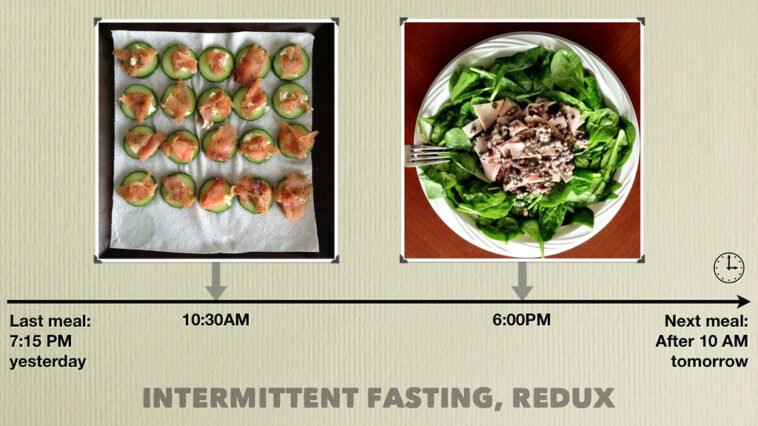
Most people overcomplicate this. You don’t need a $29.99 app or fancy supplements. The 16:8 method is simple: you fast for 16 hours and eat during an 8-hour window. I usually stop eating at 7:00 PM and start again at 11:00 AM the next day. It’s effective because it naturally reduces your caloric intake without you having to count every single almond. I’ve seen people try to jump straight into 24-hour fasts, which is just a recipe for a massive binge session the next day. Don’t do that. Stick to the basics. It’s boring, but it works.
Related Reading
The Morning Coffee Hack
You can absolutely have black coffee or green tea during your fasting window. I use a simple drip machine and buy organic beans for about $15 a bag. Just avoid adding heavy cream or sugar, because that spikes your insulin and technically ends your fast. If you absolutely need a splash of something, keep it under 50 calories, but honestly? You’ll get used to the black coffee after three days.
What To Eat When You Break Your Fast
This is where people mess up. They think fasting gives them a free pass to eat a double pepperoni pizza at 11:00 AM. It doesn’t. If I break my fast with processed junk, I feel sluggish by 2:00 PM. I usually aim for high protein—like eggs, Greek yogurt, or some leftover chicken from the night before. Since it’s June, I’m leaning into seasonal stuff like fresh berries and snap peas. Focus on whole foods. If you can’t pronounce the ingredients on the label, put it back on the shelf. Your body needs actual fuel, not just empty calories to stop the hunger pangs.
Prioritizing Protein Intake
Aim for at least 25-30 grams of protein in your first meal. It keeps your blood sugar stable and stops the ‘hangry’ feeling from setting in later. I usually toss some spinach and feta into a three-egg scramble. It takes five minutes and keeps me full until my next meal. Seriously, don’t skip the protein if you want to actually feel good.
Common Pitfalls To Avoid
I made every mistake in the book when I started. I didn’t drink enough water, I over-exercised during the fasted state, and I ignored my body when it told me to stop. You need to listen to your cues. If you feel dizzy or lightheaded, eat something. It’s not a failure; it’s a sign that you need to adjust your window. Check with your doctor before you start, especially if you have a history of blood sugar issues or disordered eating. This isn’t for everyone, and that’s okay. Don’t force your body into a schedule that makes you miserable.
The Electrolyte Balance
When you fast, you lose more water and salt. I add a pinch of Redmond Real Salt to my water bottle—it costs about $8 and lasts forever—to keep my energy up. If you’re feeling a headache, you’re probably dehydrated, not hungry. Try hitting your hydration goals before you decide to break your fast early.
Realistic Expectations For 2026
You aren’t going to drop ten pounds in a week. If someone tells you that, they’re lying to sell you something. Real progress takes time. I noticed better sleep and clearer skin after about three weeks of consistency. The weight loss was slow, steady, and—most importantly—it stayed off. Don’t treat this like a sprint. It’s a tool for your lifestyle, not a temporary fix. Use the ‘Zero’ app if you want to track your hours, but don’t obsess over the numbers. The best schedule is the one you can actually stick to for more than a month. Consistency beats intensity every single time.
Tracking Your Progress
I use a simple notepad on my phone to track how I feel, not just my weight. Weight fluctuates for a million reasons, but energy levels and focus are better indicators of whether this is working for you. If you feel like garbage after a month, stop. It’s not worth your health.
⭐ Pro Tips
- Drink 16oz of water with a pinch of sea salt immediately upon waking to curb morning hunger.
- Buy a $12 stainless steel water bottle so you always have hydration with you; it saves you from buying $4 sodas.
- Don’t start your fasting window on a Monday; pick a day when your schedule is calm so you aren’t stressed.
Frequently Asked Questions
Can I drink diet soda while intermittent fasting?
Technically, it might not break your fast if it has zero calories, but it often triggers cravings for sweets. I’d skip it and stick to water or black coffee instead.
Is intermittent fasting actually worth it?
Yes, if you struggle with late-night snacking or brain fog. It simplifies your day and helps with insulin sensitivity. It’s not a magic pill, but it’s a very practical, free tool.
What is the best intermittent fasting app?
Zero is the standard for a reason. The free version is plenty for most people. Don’t pay for the premium subscription unless you really need the extra data tracking.
Final Thoughts
Look, intermittent fasting is just a way to organize your day. It’s not a religion. If you have a birthday dinner or a late-night event, enjoy yourself and get back to your routine the next day. It’s about the long game. Start slow, stay hydrated, and talk to your doctor if you have any health concerns. You’ve got this—just keep it simple.



GIPHY App Key not set. Please check settings