



 Xplorely
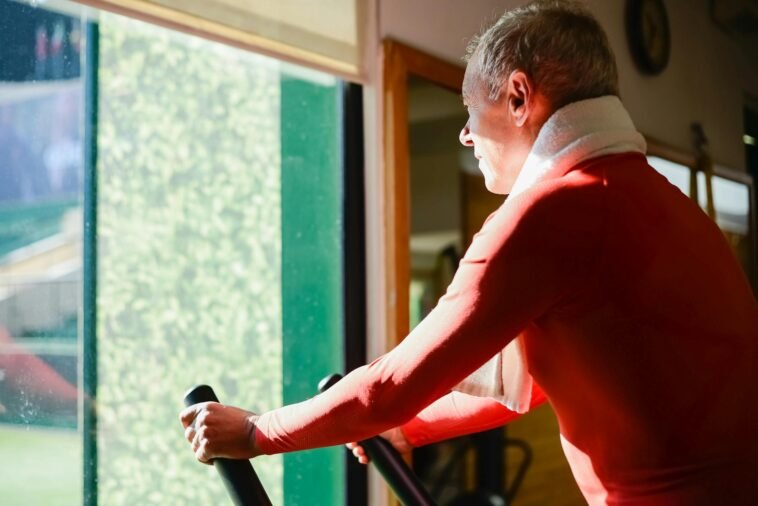
I’ve seen so many fads come and go, but honestly, finding true health, wellness & fitness in 2026 isn’t about the latest craze. It’s about getting back to basics, smartly. For years, I chased every shiny new diet and workout, spending a fortune on things that promised the moon but delivered… well, not much. After a lot of trial and error, talking to doctors, and actually living this stuff, I’ve figured out what truly moves the needle. This isn’t some generic advice; it’s what I personally do, what I recommend to my closest friends, and what I’ve seen work for real people. We’re cutting through the noise and getting straight to the actionable steps that will make a genuine difference in your energy, strength, and overall well-being. No BS, just practical steps you can start today.
📋 In This Article
Movement That Matters: Ditching the Gym Gimmicks
Look, with all the fancy new studios and workout apps popping up every other week, it’s easy to get overwhelmed. But the truth is, effective movement doesn’t need to be complicated or cost a fortune. My focus for health, wellness & fitness in 2026 is still on foundational strength training, with a good dose of cardio and mobility work. I lift weights 3-4 times a week, usually full-body splits, and I make sure to progressively overload (meaning I’m always trying to lift a little heavier or do more reps). And honestly, I’ve found that consistent, moderate effort beats sporadic, intense bursts any day. I ditched expensive memberships for a solid home setup back in 2024, and it’s been a total game-changer for consistency. Plus, it saves me about £60 a month, which is nice.
Prioritizing Strength Training
You absolutely need to be lifting weights. It’s not just for ‘getting big’ — it’s crucial for bone density, metabolic health, and maintaining muscle as you age. I aim for 3-4 sessions a week, focusing on compound movements like squats, deadlifts, presses, and rows. If you’re new, start with bodyweight or light dumbbells, and focus on form. Consider a few sessions with a certified personal trainer to nail the technique before going it alone. It’s an investment that pays off big time in injury prevention.
Making Cardio Actually Enjoyable
Cardio doesn’t have to be slogging away on a treadmill. I’ve found that incorporating activities I actually like makes it sustainable. For me, that’s hiking on weekends with my dog, or a brisk 30-minute walk every morning before work. Sometimes I’ll jump on my Peloton (I snagged a used one for $800 in 2025, worth every penny), but mostly I just get outside. Aim for 150 minutes of moderate-intensity cardio per week, or 75 minutes of vigorous activity. Just move your body in ways that feel good and get your heart rate up.
Fueling Your Body Right: Beyond the Diet Dogma
When it comes to eating, the internet is a minefield of conflicting advice. Keto, paleo, vegan, carnivore – it’s enough to make your head spin. What I’ve learned, and what truly underpins my approach to health, wellness & fitness in 2026, is that consistency and quality matter more than strict adherence to any single ‘diet.’ I focus on whole, unprocessed foods: plenty of vegetables, lean proteins, healthy fats, and complex carbohydrates. I don’t count calories religiously anymore, but I’m mindful of portion sizes. And yes, I still enjoy a good slice of pizza or a glass of wine on occasion. It’s about balance, not deprivation. The biggest change for me was cutting out most ultra-processed snacks – that alone made a huge difference in my energy levels.
Smart Protein Intake for Everyone
Protein is king, truly. It helps with satiety, muscle repair, and overall body function. I aim for at least 0.7-1 gram of protein per pound of body weight daily. For me, that’s around 140-160 grams. Sources include chicken, fish, eggs, Greek yogurt, lentils, and a good quality whey protein powder (like Optimum Nutrition Gold Standard, about $45 for a 2lb tub). Spread your protein intake throughout the day, aiming for 25-40 grams per meal, to optimize absorption and muscle protein synthesis.
Hydration: The Unsung Hero
This one sounds basic, but it’s astonishing how many people walk around dehydrated. I keep a 1-liter water bottle with me constantly and try to refill it at least 3-4 times a day. That’s 3-4 liters, which might sound like a lot, but it makes a massive difference to my energy, digestion, and even skin clarity. Adding a pinch of Redmond Real Salt to one of my water bottles helps with electrolytes, especially after a sweaty workout. Don’t underestimate this simple, free habit.
Sleep & Recovery: The Real ‘Magic Pill’
Honestly, if there’s one area of health, wellness & fitness that gets consistently undervalued, it’s sleep and recovery. You can work out like a beast and eat perfectly, but if you’re not getting enough quality sleep, you’re just spinning your wheels. I used to think I could get by on 5-6 hours, but I was constantly tired, irritable, and my workouts suffered. Now, I prioritize 7-8 hours, religiously. It’s not just about the quantity, though; it’s about the quality. This means creating a sleep-friendly environment and having a consistent wind-down routine. It took some effort to establish, but the payoff in energy, mood, and physical performance has been monumental for me.
Crafting Your Sleep Sanctuary
Your bedroom should be a cave: dark, cool, and quiet. I invested in blackout blinds (around $70 from Amazon) and a white noise machine (my LectroFan Evo was about $50) a few years ago. Keep the temperature between 60-67°F (15-19°C). And here’s a big one: no screens for at least an hour before bed. That blue light messes with your melatonin production. Read a book, listen to a podcast, or just chill out. Trust me, it makes a huge difference.
Active Recovery & De-Stressing
Recovery isn’t just about sleeping; it’s also about managing stress and giving your body time to repair. I incorporate active recovery days — light walks, gentle yoga, or foam rolling — into my week. I also spend 10-15 minutes daily doing some form of meditation using the Calm app (a yearly subscription is about $70). It helps quiet my mind, which in turn improves my sleep and overall stress resilience. Remember, your body rebuilds and gets stronger *during* rest, not during the workout itself.
Mental Wellness: More Than Just ‘Good Vibes’
For me, health, wellness & fitness is truly a mind-body connection, and ignoring mental wellness is like building a house on a shaky foundation. It’s not about being ‘happy’ all the time, but about building resilience and having tools to navigate life’s inevitable ups and downs. The past few years, especially with all the global craziness, have really highlighted how crucial this is. I used to brush off things like journaling or therapy, thinking I could just ‘power through.’ But honestly, that’s not sustainable. Taking care of my mental health has become as non-negotiable as my workouts, and it’s something I actively work on every single day.
The Power of Journaling and Reflection
This might sound a bit ‘woo-woo,’ but keeping a journal has been incredibly grounding for me. I don’t do it daily, but a few times a week, I’ll spend 10-15 minutes just writing down my thoughts, feelings, and anything that’s bothering me. It helps me process emotions, identify patterns, and frankly, just get things out of my head. You don’t need a fancy journal; any notebook will do. It’s a cheap, effective way to declutter your mind and gain clarity.
Connecting with Your People (and Nature)
Humans are social creatures, and genuine connection is vital for mental health. Make time for your friends and family. Put down your phone and have real conversations. And don’t underestimate the power of nature. Even a 20-minute walk in a park can significantly reduce stress hormones. I try to get outside every day, even if it’s just to sit on my porch with a coffee. It’s a simple reset that costs nothing and does wonders for my mood.
Smart Supplementation: What I Actually Use (and What I Skip)
Supplements are a huge part of the health, wellness & fitness industry, and frankly, most of it is overhyped junk. I’ve wasted so much money on ‘miracle’ pills over the years. My rule now is: food first, always. Supplements are just that – supplemental. But there are a few key ones that I’ve found genuinely beneficial, backed by science, and recommended by my doctor. Before adding anything to your routine, please, please, check with your doctor, especially if you have any underlying health conditions or take medications. What works for me might not be right for you. I stick to a few high-quality basics and ignore the rest.
My Go-To Daily Supplements
I take a few things consistently. First, Vitamin D3 (Thorne Research, 5000 IU daily, about $20 for 90 caps) because most people are deficient, especially if you live in a less sunny climate. Second, Magnesium Glycinate (NOW Foods, 200-400mg before bed, $15 for 180 caps) for sleep and muscle function. And third, a high-quality Omega-3 (Nordic Naturals Ultimate Omega, 2000mg EPA/DHA daily, $40 for 120 soft gels) for brain and heart health. That’s it for my core stack.
Supplements I Skip (and Why)
I skip most ‘fat burners’ – they’re usually just caffeine bombs with minimal real effect, and can make you jittery. I also don’t bother with fancy detox teas or cleanses; your liver and kidneys do a perfectly good job already. And while I appreciate the idea, I’ve found most adaptogens like Ashwagandha or Rhodiola don’t give me a noticeable benefit that can’t be achieved through better sleep and stress management. Save your money on those and invest in whole foods instead.
Tech & Tools: What’s Worth Your Money in 2026
The health, wellness & fitness tech market in 2026 is absolutely flooded with gadgets, from smartwatches to smart rings and AI-powered coaches. It’s exciting, but also incredibly easy to get sucked into buying things that don’t actually add value. I’ve tried a lot of it, and frankly, most of it collects dust. My philosophy here is simple: if it helps me track meaningful data, stay accountable, or genuinely improve my routine without being a distraction, it’s in. Otherwise, it’s out. I’m not looking for a device to replace my intuition, but to augment it with useful insights.
Wearables That Actually Help
I’ve settled on an Oura Ring (Generation 3, currently around $299) for tracking sleep, recovery, and activity. It’s less intrusive than a smartwatch and gives fantastic insights into my readiness for the day. I also use a simple Garmin Forerunner (about $150, I got mine in 2023) for running metrics; it’s reliable and doesn’t try to do too much. Forget the latest ‘biofeedback’ headbands or expensive smart scales that just echo what you already know. Simple, accurate data is what you need.
Essential Kitchen Gadgets for Healthy Eating
You don’t need a million kitchen gadgets, but a few make healthy eating much easier. My air fryer (a Cosori, about $100) is used almost daily for quick veggies and proteins. A good blender (Vitamix, pricey at $300-500, but lasts forever) for smoothies and sauces. And honestly, a set of quality food prep containers (I like Glasslock, about $40 for a set of 5) makes meal prepping a breeze, saving me time and money throughout the week. These aren’t flashy, but they’re workhorses.
⭐ Pro Tips
- Instead of buying new weights, check local classifieds or Facebook Marketplace. I got a full set of dumbbells and a bench for $200 in 2025, saving over $500 compared to retail.
- Meal prep on Sundays! Cook a big batch of chicken or lentils, roast a tray of veggies, and make some quinoa. It saves me about $70-100 a week on impulse eating and takeout.
- If you struggle with consistency, schedule your workouts like non-negotiable appointments in your calendar. Treat them like a doctor’s visit you can’t miss.
- A common mistake I see is people overcomplicating their diet. Focus on eating single-ingredient foods 80% of the time. Don’t worry about ‘superfoods’ until the basics are dialed in.
- The single biggest difference for me was prioritizing sleep. Nothing else, not even the best diet or workout, will make up for consistent poor sleep. Make it your #1 focus for a month.
Frequently Asked Questions
Are cold plunges actually worth it for health in 2026?
Honestly, for most people, no. The benefits are often overblown, and you can get similar physiological responses from a cold shower. If you enjoy them, great, but don’t feel pressured to buy an expensive setup for marginal gains. Stick to basics first.
How much does a good home gym cost in 2026?
You can get a solid, functional home gym for $500-$1000. This would include adjustable dumbbells, a resistance band set, a pull-up bar, and maybe a basic bench. If you want a squat rack, budget closer to $1500-$2500 for quality equipment.
Is intermittent fasting actually worth it?
It depends on you. Some people thrive on it for weight management and energy, but others find it causes fatigue or overeating. I personally don’t follow a strict IF protocol anymore, finding consistent, balanced meals work better for my energy and muscle gain. Try it, but don’t force it.
What’s the best protein powder for beginners?
For most beginners, a simple whey protein isolate is excellent. It’s easily digested and has a complete amino acid profile. Brands like Optimum Nutrition Gold Standard or Myprotein Impact Whey are reliable and widely available. Aim for 20-30g of protein per scoop.
How long should I spend working out each day?
You don’t need hours. Aim for 30-60 minutes of focused effort, 3-5 times a week. That’s plenty for strength training and cardio. Consistency and intensity within that timeframe are far more important than extended, unfocused sessions.
Final Thoughts
So, there you have it – my honest, no-fluff guide to navigating health, wellness & fitness in 2026. It’s not about chasing fleeting trends or buying every new gadget. It’s about building sustainable habits, listening to your body, and prioritizing the fundamentals: smart movement, quality nutrition, restorative sleep, and a healthy mind. Start small, pick one or two areas from this guide to focus on, and be consistent. Remember, this is your journey, and it’s about progress, not perfection. And as always, before making any big changes to your diet or exercise routine, please check in with your doctor. You’ve got this.




GIPHY App Key not set. Please check settings