



 Xplorely
Okay, so raising kids while trying to nail down family nutritional health? It’s a marathon, not a sprint, and honestly, some days it feels more like an obstacle course. I’ve been there, stressing over every broccoli floret and hidden veggie puree. For years, I just bought into whatever the latest ‘superfood’ trend was, hoping it’d magically fix everything. Real talk, it didn’t. What did make a difference, and what I’m seeing really work for families in 2026, isn’t about expensive gimmicks or celebrity diets. It’s about practical, sustainable shifts. I’ve tried so many things, talked to pediatric dietitians, and honestly, I’m here to spill the tea on what’s genuinely helpful and what’s just noise. Let’s make nourishing our families feel a little less overwhelming, shall we?
📋 In This Article
- Cutting Through the Noise: Supplements for Kids – What’s Actually Worth It?
- Meal Planning & Prep: The Secret Weapon Against Takeout Temptation
- Tackling Picky Eaters: My Go-To Strategies (No, Not Hiding Veggies!)
- Smart Snacking: Ditching the Pre-Packaged Chaos
- Hydration Habits: Beyond Just Water (But Mostly Water!)
- Making Movement Fun: Beyond Organized Sports
- ⭐ Pro Tips
- ❓ FAQ
Cutting Through the Noise: Supplements for Kids – What’s Actually Worth It?
Look, I know the supplement aisle for kids can feel like a minefield. Every brand promises the moon, right? I used to buy all the things – the multivitamins, the probiotics, the immune boosters – convinced I was doing my best. But after checking with our pediatrician and doing my own research, I’ve really narrowed it down to a couple of key players that seem to make a tangible difference, especially if your kids are picky eaters or going through growth spurts. Most kids eating a fairly balanced diet don’t need a huge cocktail of pills. But if there are gaps, we can address them smartly. And remember, always, always check with your doctor before starting any new supplement regimen for your kids, okay? Their needs are unique.
Omega-3s (DHA) for Brain Power
This one’s a winner in our house. My kids aren’t big fish eaters, and frankly, getting enough DHA from diet alone can be tough. I personally use Nordic Naturals Children’s DHA in strawberry flavor – it’s around $25-30 for a bottle (90 chewable soft gels) and my kids actually take it without a fight. We do one chewable soft gel daily for my 6-year-old and two for my 9-year-old. It’s supposed to help with brain development and focus, and I’ve honestly felt like it gives them a little edge, especially during school months. It’s not a magic bullet, but it’s a consistent support I feel good about.
A Solid Multivitamin (If Needed)
Okay, so a multivitamin isn’t always essential, but for those weeks where your kid’s diet consists mainly of air and beige foods, it’s a nice backup. I’ve had good luck with Nature’s Way Kids Smart Vita Gummies Multi-Vitamin + Vegies. They’re usually about $15-20 for a month’s supply (60 gummies). My kids think they’re candy, which is both a blessing and a curse! I give them one a day. It covers the basic vitamins and minerals, and while I don’t rely on it to replace real food, it helps me sleep better knowing they’re getting some foundational nutrients. Check the sugar content on these though; some can be surprisingly high.
Related Reading
Meal Planning & Prep: The Secret Weapon Against Takeout Temptation
Here’s the thing: if you don’t have a plan, you’re planning to fail. Or, at least, planning to order pizza again. I used to dread meal planning, but it’s become my absolute secret weapon for maintaining family nutritional health without losing my mind. It saves money, reduces food waste, and honestly, it cuts down on decision fatigue during those chaotic 5 PM hours. I’m not talking about gourmet meals every night, either. I mean simple, repeatable ideas. This past year, with grocery prices still a bit wild, I’ve leaned even harder into smart planning. It helps me stick to a budget of around $150-200 USD a week for a family of four, including snacks and some treats.
Theme Nights (Seriously, Try It!)
We started doing theme nights, and it’s been a lifesaver. ‘Taco Tuesday’ is obvious, but we also have ‘Pasta Monday,’ ‘Soup & Sandwich Wednesday,’ ‘Breakfast for Dinner Friday.’ It sounds a bit rigid, but it actually gives us so much flexibility within those themes, and the kids know what to expect. It simplifies grocery lists and means I’m not staring into the fridge wondering what to conjure up after a long day. Plus, it makes dinner a bit more fun and predictable for everyone.
Batch Cooking Basics You’ll Actually Do
I’m not talking about spending your entire Sunday meal prepping like a chef. I mean picking one or two things to make a larger batch of. For example, I’ll cook a big pot of quinoa or brown rice on Sunday, and that’s our grain for a few meals. Or I’ll roast a tray of sweet potatoes and broccoli to throw into lunches or quick dinners. Another favorite is making a huge batch of turkey meatballs – they freeze beautifully and are super versatile. This small effort saves huge amounts of time later in the week, trust me.
Tackling Picky Eaters: My Go-To Strategies (No, Not Hiding Veggies!)
Oh, picky eaters. The bane of every parent’s existence, right? I’ve got two kids, and one of them, bless his heart, would happily subsist on plain pasta and chicken nuggets if I let him. For a long time, I tried the ‘hide the veggies’ approach, blending spinach into smoothies and sneaking pureed carrots into sauces. And you know what? It felt sneaky, and it didn’t actually help him learn to like vegetables. So, I pivoted. My current approach, which I’ve found much more successful and less stressful, is about exposure, involvement, and patience. It’s a slow game, but it builds better habits long-term.
The ‘One Bite’ Rule (No Pressure)
This is a non-negotiable in our house. My kids don’t have to clean their plate, but they do have to try one bite of everything on it. Just one. No drama, no bribes, no lectures. If they genuinely don’t like it, fine. But more often than not, that ‘one bite’ turns into two, or they realize it’s not actually awful. It’s all about repeated, low-pressure exposure to new foods. It’s a slow burn, but it honestly works better than any ‘eat your veggies or no dessert’ ultimatum.
Get Them Involved in the Kitchen
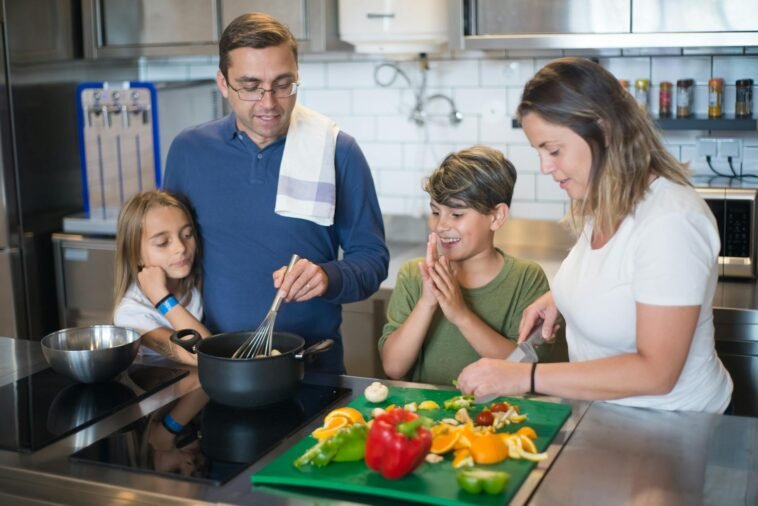
Kids are way more likely to eat something they helped prepare. Even my youngest, at six, can wash vegetables, stir ingredients, or set the table. My nine-year-old loves helping chop (with supervision, obviously!) and measuring. We make simple things together, like homemade pizzas, fruit salads, or even just assembling wraps. When they feel like they’ve contributed to the meal, they’re proud of it and more willing to try it. It’s a powerful psychological trick, and it teaches them valuable life skills too.
Smart Snacking: Ditching the Pre-Packaged Chaos
Snacks, man. They can either be a nutritional wasteland or a fantastic opportunity to squeeze in extra goodness. For years, I just grabbed whatever was easiest from the supermarket aisle – those individually wrapped crackers, fruit pouches, granola bars. Convenient, yes, but often packed with sugar, questionable ingredients, and honestly, not very satisfying. My kids would be hungry again ten minutes later! So, I made a conscious effort to overhaul our snack game, and it’s made a noticeable difference in their energy levels and overall family nutritional health. It’s not about being perfect, but about making better choices most of the time.
The ‘Protein + Fiber’ Combo
This is my golden rule for snacks. Instead of just a piece of fruit (fiber), pair it with some cheese or nuts (protein). Or, if it’s crackers (carb), add hummus or a hard-boiled egg. This combo keeps them fuller for longer, stabilizes blood sugar, and avoids that sugar crash tantrum. Think apple slices with peanut butter, Greek yogurt with berries, carrot sticks with hummus, or a handful of almonds and a small banana. Simple, but effective.
Batch-Made Snack Bins
Okay, this is a game-changer. On Sunday, I prep a ‘snack bin’ for the week. I chop up carrots, bell peppers, cucumber. I portion out grapes, berries, and cherry tomatoes. I might bake a batch of healthy muffins or energy balls. Then, I put everything in small containers in a designated spot in the fridge. When a kid says, ‘I’m hungry!’ they can grab a pre-portioned, healthy snack themselves. It empowers them and means I’m not constantly playing short-order cook. It costs me maybe $20-30 extra a week for these fresh components, but it saves us from impulse buys and unhealthy choices.
Hydration Habits: Beyond Just Water (But Mostly Water!)
We all know water is king, right? But getting kids to drink enough of it? That’s another story. For a while, my kids were obsessed with those sugary ‘fruit drinks’ and even some of the ‘healthier’ juice boxes. The sugar content, even in 100% juice, just adds up fast. So, I’ve really tried to make water fun and accessible, while also finding a few smart alternatives for when they just need something a bit more interesting. Staying well-hydrated is crucial for everything from concentration at school to digestion, and it’s a foundational part of good family nutritional health.
Infused Water Fun
This is so simple but so effective. Instead of plain water, we’ll slice up some cucumber and mint, or throw in some frozen berries, or a few orange slices. It gives the water a subtle flavor without any added sugar. My kids actually get excited about picking out the ‘flavor’ for our water pitcher. We keep a large 2-liter pitcher of infused water in the fridge, and it encourages everyone to drink more throughout the day. Plus, it looks pretty, which helps!
Sparkling Water & A Splash of Juice
When they’re craving something bubbly or a bit sweet, I’ll mix plain sparkling water (like San Pellegrino, about $5 for a 6-pack) with just a splash of 100% fruit juice. Think a tablespoon of cranberry or apple juice in a full glass. It gives them that fizzy, fruity sensation they want, but with significantly less sugar than a full glass of juice or soda. It’s a good compromise and helps them develop a taste for less intensely sweet drinks.
Making Movement Fun: Beyond Organized Sports
Wellness isn’t just about what you eat, right? It’s also about moving your body. And for families, that means making activity a natural, enjoyable part of daily life, not just something you ‘have’ to do. I’ve seen so many parents stress about signing their kids up for every sport under the sun, and while organized sports are great, they’re not the only way to get active. Especially in 2026, with so many screens vying for attention, we’ve had to get creative. It’s about finding things everyone can genuinely enjoy, boosting both physical and mental well-being for the whole family.
Family ‘Adventure Walks’ (Yes, Even in the City!)
Instead of just a walk around the block, we make it an ‘adventure.’ We’ll go to a new park, try to spot specific things (like ‘find five different types of leaves’ or ‘spot a bird’s nest’), or even just explore a different neighborhood path. It turns exercise into exploration. Even a 30-minute walk after dinner can clear everyone’s heads and help with digestion. We aim for at least three of these ‘adventures’ a week, weather permitting. It’s free, and everyone feels better for it.
Dance Parties & Active Video Games
When the weather’s bad or we’re just feeling a bit sluggish, we crank up the music and have a living room dance party. Ten minutes of jumping around to their favorite pop songs gets everyone giggling and moving. Another thing that’s actually been great is active video games. We’ve got a Nintendo Switch with ‘Just Dance 2026’ and ‘Fitness Boxing 2’. They’re genuinely fun ways to get heart rates up, and the kids don’t even realize they’re exercising. It’s a solid 20-30 minutes of active play, and sometimes that’s all you need.
⭐ Pro Tips
- Invest in a good quality insulated water bottle for each family member (like Hydro Flask or Stanley, around $35-45 each) – it keeps water cold and encourages consistent hydration.
- Try a meal kit service for 2-3 nights a week (like HelloFresh or Gousto, around $60-80 for a family of four for three meals) to cut down on decision fatigue and introduce new recipes.
- Designate one ‘treat night’ a week. Knowing there’s a specific time for ice cream or a takeaway makes it easier to say no to daily requests.
- Don’t buy individual snack packs. Buy in bulk (nuts, dried fruit, crackers) and portion them into reusable containers yourself. It saves money and reduces waste by about 30% for us.
- The one thing that made the biggest difference for me was shifting my mindset from ‘perfect nutrition’ to ‘progress, not perfection.’ It took so much pressure off, and ironically, made us healthier.
Frequently Asked Questions
What are the best healthy snacks for kids?
Focus on a protein + fiber combo: apple slices with peanut butter, Greek yogurt with berries, carrots and hummus, or a handful of almonds. These keep kids full longer and provide sustained energy.
How much does a family spend on healthy food per week?
For a family of four, expect to spend around $150-250 USD per week on groceries for healthy, home-cooked meals. Meal planning and batch cooking can help keep costs closer to the lower end.
Is giving kids supplements actually worth it?
Mostly, yes, for specific needs. Omega-3 DHA is often beneficial if kids don’t eat fish. A multivitamin can bridge gaps for picky eaters. Always check with your pediatrician first, though.
What’s a good alternative to sugary juices for kids?
Infused water with fruit (cucumber, berries, orange slices) is great. Also, try mixing plain sparkling water with just a splash of 100% fruit juice for a fizzy, lower-sugar option.
How long does it take for kids to try new foods?
It can take 10-15 exposures to a new food before a child accepts it. Be patient and consistent with the ‘one bite’ rule. Don’t pressure them; just keep offering it regularly.
What’s the best way to get kids to drink more water?
Make it fun and accessible! Use fun water bottles, infuse water with fruit, or let them pick out ice cube shapes. Keep a pitcher of water visible and easy to reach throughout the day.
Final Thoughts
So, there you have it – my honest, no-fluff take on supporting family nutritional health and wellness in 2026. It’s not about being perfect, or buying every trendy gadget, or forcing your kids to eat kale. It’s about consistency, smart planning, and making small, sustainable changes that add up over time. I’ve found that focusing on a few key areas, like smart snacking and getting kids involved, makes a huge difference without adding a ton of stress. You’ve got this! Pick one or two things from this list and give them a try this week. And remember, be kind to yourself – you’re doing great, and every little step forward counts. Keep me posted on what works for your family!




GIPHY App Key not set. Please check settings