



 Xplorely
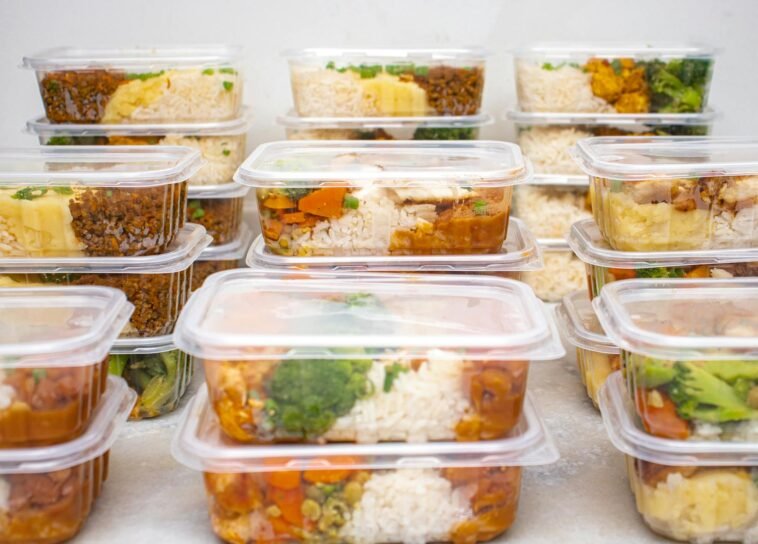
Struggling to manage your diet for weight loss? The idea of eating the same meals every day might sound restrictive, but for many, it’s a surprisingly effective strategy. This approach, often called ‘dietary monotony,’ can significantly reduce decision fatigue and simplify meal planning, making it easier to stick to a caloric deficit. Research suggests that when faced with fewer food choices, individuals may consume fewer calories overall. We’ll explore how this method works, its benefits, and how you can implement it safely and effectively. Understanding that eating the same meals every day could help you lose more weight means learning the nuances of a balanced, consistent approach to nutrition.
📋 In This Article
The Science Behind Dietary Monotony for Weight Loss
The concept of dietary monotony for weight loss isn’t about deprivation, but rather about psychological and practical efficiency. When you eat the same meals repeatedly, you eliminate the daily mental effort of deciding what to prepare, what to buy, and what to eat. This reduction in ‘decision fatigue’ can be a powerful tool for weight management. Our brains expend energy on every choice, and food choices, especially when trying to eat healthily, can be particularly draining. By streamlining this process, you free up mental bandwidth and reduce the likelihood of impulsive, unhealthy food choices. This consistent approach makes it easier to track calorie intake and ensures you’re consistently meeting your nutritional goals without constant recalculation. The predictability of eating the same meals every day could help you lose more weight by fostering adherence to a planned diet.
Reduced Decision Fatigue
Every day, we make countless decisions, and each one drains our mental energy. Food choices are particularly taxing, especially when navigating diet restrictions or trying to eat healthily. By pre-selecting and sticking to a set rotation of meals, you bypass this daily mental hurdle. This conserves willpower, making it easier to resist unhealthy temptations and adhere to your meal plan without feeling overwhelmed. It’s about making healthy eating the default, not a daily struggle.
Calorie Control and Awareness
When you consistently consume the same meals, you gain a precise understanding of their nutritional content and caloric value. This makes tracking and managing your daily intake significantly simpler and more accurate. You quickly learn portion sizes and how different foods impact your satiety. This heightened awareness empowers you to make minor adjustments to your meals as needed, ensuring you remain within your target calorie range for effective and sustainable weight loss without constant guesswork.
Practical Benefits for a Streamlined Journey
Beyond the psychological advantages, adopting a repetitive meal plan offers considerable practical benefits that can directly support your weight loss efforts. Think about the time saved on grocery shopping, meal preparation, and even cleaning. Instead of buying a vast array of ingredients for diverse daily meals, you can focus on purchasing staples in bulk. This not only streamlines your kitchen routine but also tends to be more cost-effective. Batch cooking becomes incredibly efficient, allowing you to prepare several days’ worth of meals in one go, ensuring healthy options are always readily available. This consistent availability of healthy food reduces the temptation to opt for quick, often less nutritious, alternatives when hunger strikes or time is short. The practical ease of eating the same meals every day could help you lose more weight by removing common barriers.
Simplified Meal Preparation
Batch cooking becomes incredibly efficient when you’re preparing the same few meals. You can dedicate specific blocks of time each week to cook larger quantities of ingredients like grains, proteins, and chopped vegetables. This means healthy, portion-controlled meals are always ready to grab from the fridge, eliminating the scramble for food during busy weekdays. This efficiency is a game-changer for consistency.
Budget-Friendly Eating
Buying the same core ingredients in larger quantities often comes with cost savings. You can take advantage of sales on your staple items and reduce food waste by only purchasing what you know you’ll use. This strategic shopping approach ensures that eating healthily doesn’t have to break the bank, making your weight loss journey more accessible and sustainable over the long term.
Nutritional Considerations: Ensuring Balance and Variety
While the strategy is to repeat meals, it’s crucial that these meals are nutritionally complete and balanced. The goal is not to eat the exact same bland chicken and broccoli every single day, but rather to establish a rotation of healthy, nutrient-dense meals that you enjoy. Ensuring variety within your chosen rotation is key to obtaining a wide spectrum of vitamins, minerals, and macronutrients. Focus on meals that incorporate lean proteins, complex carbohydrates, healthy fats, and a diverse range of fruits and vegetables. You can achieve this by rotating through 2-3 different breakfast, lunch, and dinner options each week, rather than strictly one. This approach ensures you’re not missing out on vital nutrients while still benefiting from the simplicity. A well-planned approach to eating the same meals every day could help you lose more weight safely.
Variety Within Repetition
To prevent nutrient deficiencies, aim for variety within your chosen meal rotation. Instead of just one meal, select 2-3 different healthy breakfast options, 2-3 lunch options, and 2-3 dinner options. This allows you to cycle through different protein sources, grains, and vegetable combinations throughout the week, ensuring a broader intake of essential vitamins and minerals without sacrificing the benefits of meal repetition.
Micronutrient Intake
Pay close attention to micronutrients. Ensure your core meals include a wide array of colorful fruits and vegetables. For instance, if one meal features spinach and bell peppers, another could include broccoli and carrots. Supplementing with a diverse mix of nuts, seeds, and legumes can further enhance your intake of crucial vitamins, minerals, and fiber, supporting overall health alongside weight loss.
How to Design Your Repetitive Meal Plan
Creating an effective repetitive meal plan begins with identifying your dietary preferences and nutritional needs. Start by analyzing your current eating habits and pinpointing meals you genuinely enjoy that are also healthy and satisfying. Look for recipes that are easy to prepare in larger quantities and can be stored well. Consider your macronutrient goals (protein, carbs, fats) and ensure your chosen meals align with them. A good starting point is to select one or two go-to breakfasts, two main lunch options, and two or three dinner recipes that you can rotate throughout the week. This provides enough variation to prevent extreme boredom while maintaining the benefits of consistency. Remember, the goal is to create a sustainable system for yourself. Thoughtfully designing your plan means eating the same meals every day could help you lose more weight consistently.
Choosing Your Core Meals
Select meals that are nutrient-dense, satisfying, and that you genuinely enjoy. Focus on lean proteins (chicken, fish, tofu, beans), complex carbohydrates (quinoa, brown rice, sweet potatoes), healthy fats (avocado, nuts, olive oil), and plenty of vegetables. Opt for recipes that are simple to cook in bulk and reheat well, ensuring your consistent meals are always palatable and convenient.
Snack and Flavor Variations
Don’t forget about snacks! Incorporate 1-2 healthy, pre-portioned snacks like fruit, nuts, or Greek yogurt. To combat potential boredom with repetitive meals, experiment with different herbs, spices, and low-calorie sauces. A squeeze of lemon, a dash of hot sauce, or a sprinkle of fresh herbs can completely transform the flavor profile of a familiar dish without adding significant calories.
Addressing Potential Drawbacks and Challenges
While eating the same meals every day offers significant advantages for weight loss, it’s not without its challenges. The most common concern is boredom or ‘palate fatigue,’ which can lead to cravings for variety and potentially derail your efforts. It’s also important to consider social situations, as dining out or sharing meals with others can become more complicated. However, these drawbacks can be effectively mitigated with strategic planning. Incorporating flavor variations, allowing for occasional ‘flex meals,’ and ensuring your core meals are genuinely enjoyable can help maintain adherence. Being prepared for social events by planning ahead or making smart choices when out can also prevent feelings of restriction. Understanding and proactively addressing these points ensures that eating the same meals every day could help you lose more weight without feeling overly constrained.
Combating Boredom
To prevent ‘palate fatigue,’ ensure your chosen meals are genuinely delicious and satisfying. Rotate through a small selection of 2-3 different meals for each eating occasion (breakfast, lunch, dinner) rather than just one. Experiment with various spices, herbs, and low-calorie sauces to add different flavor profiles to your staple dishes, keeping things interesting without adding complexity.
Social Eating Challenges
Social situations can be tricky. Don’t isolate yourself! Plan ahead by looking at restaurant menus online to find options that fit your plan, or offer to bring a healthy dish to gatherings. You can also designate one ‘flex meal’ per week where you allow yourself more freedom, helping to balance your social life with your dietary goals without completely derailing progress.
Long-Term Sustainability and Adaptation
For any weight loss strategy to be truly effective, it must be sustainable in the long term. Dietary monotony is no exception. While initially strict repetition can kickstart your weight loss, it’s important to build in flexibility and listen to your body’s evolving needs. As you reach your goals or simply want more variety, you can gradually introduce new healthy meals into your rotation. The core principles of planning, portion control, and nutritional balance remain, but the specific menu can adapt. The aim is to create a habit of mindful, consistent eating, not a rigid, unyielding diet. This adaptability ensures that the benefits of eating the same meals every day could help you lose more weight, not just in the short term, but as a foundation for lasting health. Always consult with a healthcare professional before making significant dietary changes.
Periodic Meal Swaps
As you become more comfortable with your repetitive meal plan, consider periodically swapping out one or two core meals for new, healthy recipes. This keeps your palate engaged and ensures you’re continuously exploring new nutrient sources. For example, after a few weeks, you might replace a chicken and rice dish with a lentil soup or a salmon and roasted vegetable meal, maintaining variety while still benefiting from structured eating.
Listening to Your Body
Pay attention to your hunger cues, energy levels, and overall well-being. If you find yourself consistently craving specific nutrients or feeling overly restricted, it might be time to adjust your meal rotation. The goal is sustainable health, not just weight loss. Ensuring your repetitive meals genuinely nourish and satisfy you is crucial for long-term adherence and success in maintaining a healthy weight.
⭐ Pro Tips
- Prep ingredients in bulk: Dedicate an hour or two on a weekend to chop vegetables, cook grains, and portion proteins for 3-4 days to save significant time during busy weekdays.
- Rotate 2-3 meal options: Instead of strictly one meal, have 2-3 breakfast, lunch, and dinner options that you cycle through weekly to prevent boredom without sacrificing simplicity.
- Schedule a ‘flex meal’: Plan for one ‘free’ or ‘flex’ meal per week where you allow yourself more culinary freedom, which can help prevent feelings of deprivation and maintain adherence.
- Don’t forget healthy fats and fiber: Ensure your repetitive meals include sources of healthy fats (avocado, nuts) and high fiber (vegetables, whole grains) for satiety, digestive health, and nutrient density.
- Avoid processed ‘diet’ foods: Focus on whole, unprocessed ingredients for your repetitive meals, as they provide better nutrition and sustained energy compared to highly processed low-calorie alternatives.
Frequently Asked Questions
Is eating the same foods every day bad for you?
No, if planned correctly, eating the same healthy, balanced meals is not inherently bad. The key is to ensure your chosen meals provide all necessary macronutrients and a wide range of micronutrients. Rotating 2-3 different healthy meals can prevent deficiencies and maintain interest.
How much weight can you lose by eating the same meals?
Weight loss depends on maintaining a consistent caloric deficit. By simplifying meal planning and reducing decision fatigue, eating the same meals can make it easier to adhere to this deficit, potentially leading to significant and sustained weight loss over time. Individual results vary.
Is dietary monotony a sustainable weight loss strategy?
Yes, for many people, it is highly sustainable. The simplicity and predictability reduce mental load, making healthy eating easier to maintain long-term. Building in flexibility, such as rotating a few meal options or having occasional ‘flex meals,’ can further enhance sustainability and prevent boredom.
What are some healthy repetitive meal ideas?
Consider options like oatmeal with berries and nuts for breakfast; a large salad with lean protein (chicken/chickpeas) and vinaigrette for lunch; or a balanced dinner of baked salmon, quinoa, and roasted broccoli. Varying protein and vegetable sources across meals is beneficial.
How long should I eat the same meals for weight loss?
You can follow this approach for as long as it feels sustainable and effective for you. Some people adopt it for weeks or months to kickstart weight loss, while others integrate it into their long-term lifestyle. Listen to your body and adjust as needed to prevent boredom or nutrient gaps.
Final Thoughts
Embracing the strategy of eating the same meals every day could be a powerful catalyst for your weight loss journey. By simplifying your food choices, reducing decision fatigue, and streamlining meal preparation, you create an environment where consistent healthy eating becomes effortless. Remember, the goal is balanced nutrition within a repetitive framework, ensuring you’re getting all essential nutrients while making adherence easier. While it offers significant advantages, listen to your body, introduce variety when needed, and always consult a healthcare professional or registered dietitian before making significant dietary changes. Take the first step today by planning a few healthy, enjoyable meals and experience the simplicity this approach can bring to your weight loss goals.




GIPHY App Key not set. Please check settings