



 Xplorely
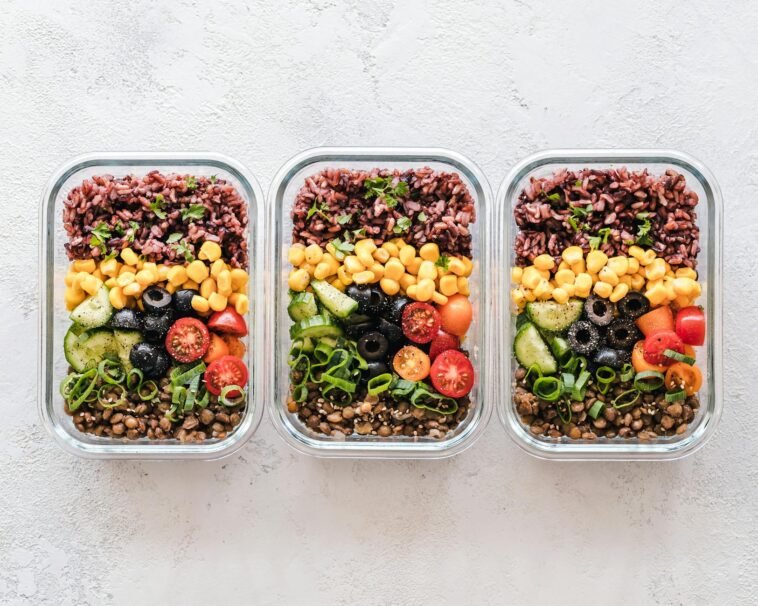
Honestly, when I first heard about eating the same meals every day could help you lose more weight, I was skeptical. It sounded boring, restrictive, even a bit extreme. But after years of struggling with meal prep fatigue and endless decision-making around food, I decided to give it a real shot back in late 2025. And you know what? It’s been one of the most effective, sustainable strategies I’ve ever used, especially for beginners. It’s not about deprivation; it’s about making healthy eating so automatic, you barely have to think about it. If you’re tired of calorie counting apps and complicated recipes, this might just be your simple solution. I’m going to share exactly how I did it and why it works, so you can see if it’s for you too.
📋 In This Article
- Why Bother Eating the Same Meals? The Brain Drain Factor
- My Go-To Meal Template (And How I Built It)
- Practical Prep: Making It Actually Sustainable
- Dealing with Boredom and Cravings (It Happens!)
- The Unexpected Perks Beyond Weight Loss
- Is It for Everyone? Who Should (and Shouldn’t) Try This
- ⭐ Pro Tips
- ❓ FAQ
Why Bother Eating the Same Meals? The Brain Drain Factor
Look, our brains are constantly making decisions, right? From what to wear to what email to answer first. Every single choice, no matter how small, uses up mental energy. This is called decision fatigue, and it’s a huge saboteur when it comes to healthy eating. I used to spend way too much time staring into the fridge, wondering what to cook, or endlessly scrolling through food delivery apps. By the time I actually decided, I was often so mentally drained that the easiest (and usually least healthy) option won. Cutting out that daily food decision-making frees up so much mental bandwidth, it’s almost unbelievable. You’ll literally have more energy for your workout, your job, or just enjoying your evening without the added stress of ‘what’s for dinner?’
Decision Fatigue Is Real, and It’s Sabotaging Your Diet
Think about it: after a long day at work, do you really want to figure out a perfectly balanced meal? Probably not. That’s when we reach for convenience foods. By pre-deciding your meals, you completely bypass this willpower trap. You’re essentially telling your brain, ‘Nope, no decisions needed here. Just eat this.’ It makes sticking to your weight loss goals so much simpler, because you remove a major hurdle.
Free Up Mental Space for What Really Matters
I’ve found that when I don’t have to stress about food, I have more mental capacity for planning my workouts, getting creative with my work projects, or even just being more present with my family. It’s not just about weight loss; it’s about optimizing your entire day. That saved energy means you’re less likely to feel overwhelmed and more likely to make good choices across the board.
My Go-To Meal Template (And How I Built It)
When I started this, I didn’t just pick one meal and eat it for every single meal. That’s a recipe for burnout! Instead, I created a flexible template. For instance, I settled on two breakfast options, two lunch options, and three dinner options that I would rotate through the week. The key was making sure each option was satisfying, easy to prepare in bulk, and nutrient-dense. My goal was always around 30-40g of protein per meal, plenty of fiber from veggies, and complex carbs to keep me full. This isn’t about eating boring, bland food, but finding a few things you genuinely enjoy and that fuel your body well.
Breakfast: The Easiest Meal to Standardize
For me, breakfast is typically a protein shake (I use Optimum Nutrition Gold Standard Whey, vanilla flavour, with a cup of unsweetened almond milk and a banana) or overnight oats with protein powder, chia seeds, and berries. It’s quick, easy, and I know exactly what I’m getting. I’ll make 3-4 servings of the overnight oats on Sunday night, so I just grab and go.
Lunch & Dinner: Mix-and-Match Components
Here’s where the flexibility comes in. My lunches often revolve around a big salad with grilled chicken or chickpeas, or a simple wrap. Dinners are usually a protein (chicken breast, salmon, lean ground turkey), a complex carb (brown rice, quinoa, sweet potato), and a generous serving of roasted or steamed vegetables (broccoli, green beans, asparagus). I don’t change the components much, but I might vary the seasoning. So, chicken could be lemon-herb one night, and a little bit of low-sugar teriyaki sauce the next.
Practical Prep: Making It Actually Sustainable
Okay, so you’ve picked your core meals. Now, how do you actually make this work without spending your entire weekend in the kitchen? Batch cooking is your best friend here. I dedicate about 2-3 hours on a Sunday afternoon to cooking. I’ll roast a big tray of chicken breasts, cook a large pot of rice or quinoa, and chop up all my veggies. It sounds like a lot, but once you get into a rhythm, it’s incredibly efficient. My partner even helps out sometimes, making it a bit of a team effort. This prep time upfront saves me probably 5-6 hours of decision-making and cooking during the busy week, which is a huge win for me.
Batch Cooking Like a Pro (Without Spending All Sunday)
Start with one or two proteins. I’ll bake 4-5 chicken breasts at 200°C/400°F for 20-25 minutes. While that’s going, I’ll cook a big batch of quinoa on the stovetop. Then, I’ll chop up a couple of heads of broccoli and bell peppers to roast. That’s usually enough to cover 3-4 lunches and dinners. Don’t feel like you have to cook everything from scratch; pre-chopped veggies or pre-cooked grains from the grocery store are totally fine for convenience.
Smart Storage Solutions to Keep Food Fresh
Good containers are non-negotiable. I love my glass meal prep containers (like Pyrex or similar brands) because they’re microwave and dishwasher safe, and they don’t stain. I portion out my meals as soon as they’re cool, usually into individual servings. This way, I just grab a container from the fridge each morning. Cooked food usually lasts 3-4 days in the fridge, so I might do a smaller mid-week prep if I need more.
Dealing with Boredom and Cravings (It Happens!)
Let’s be real, eating the same things can get a bit monotonous sometimes. I’m not going to pretend it’s always exciting. But boredom is often a mental hurdle, not a physical one. I’ve found that after a few days, the novelty of variety fades, and the comfort of consistency takes over. When a craving hits, I ask myself if I’m truly hungry or just bored. Most times, a big glass of water or a quick walk helps. If I really want a treat, I plan for it. I’ll have one small square of good quality dark chocolate (70% or higher) after dinner, or a handful of berries. It’s about balance, not deprivation.
Strategic Swaps: How to Keep It Interesting
You don’t have to eat the *exact* same thing every day. My ‘same meals’ approach means I have a rotation of 2-3 breakfasts, 2-3 lunches, and 3-4 dinners. So, maybe it’s chicken and broccoli one night, and salmon and asparagus the next. You can also vary seasonings. A dash of hot sauce, a squeeze of lemon, or a sprinkle of different herbs can totally change the flavour profile without changing the core ingredients or calorie count.
My Top 3 Healthy, ‘Approved’ Snacks
When I need a little something extra, I stick to my pre-approved list. My go-to’s are: a handful of raw almonds (about 1/4 cup), a small apple with a tablespoon of natural peanut butter, or Greek yogurt with a few berries. These are satisfying, don’t derail my calorie goals, and I don’t have to think about them. Having these ready-to-go options prevents me from reaching for less healthy choices when true hunger strikes.
The Unexpected Perks Beyond Weight Loss
While the main goal for me was weight loss, I quickly realized there were so many other benefits to eating the same meals daily. My grocery bills went down significantly because I was buying fewer, more staple ingredients in bulk. My food waste practically disappeared because I knew exactly what I needed and used everything. And honestly, the mental peace of not having to think about food all the time? Priceless. It’s like setting your diet on autopilot, allowing you to focus on other areas of your life. This strategy has consistently saved me money and time since I started it back in 2025.
More Time, Less Stress: The Hidden Benefit
Think about how much time you spend thinking about, shopping for, and cooking different meals every day. For me, that was hours a week. Now, my grocery list is almost identical every week, and my cooking is concentrated into one session. That free time is invaluable. I use it for reading, getting more steps in, or just relaxing without the looming question of ‘what’s next for dinner?’
Saving Serious Cash on Groceries
When you’re buying the same ingredients repeatedly, you can often buy them in larger, more economical quantities. I save about £30-£40 a week on groceries now compared to when I was constantly buying new ingredients for different recipes. That’s over £1500 a year! Buying chicken breasts in bulk from Costco or Aldi’s frozen salmon fillets makes a huge difference to the budget, and it’s less tempting to grab takeout.
Is It for Everyone? Who Should (and Shouldn’t) Try This
This approach isn’t a magic bullet, and it’s definitely not for everyone. If you’re a passionate foodie who loves experimenting with new recipes daily, you might find this too restrictive. But if you’re a beginner struggling with consistency, decision fatigue, or just want to simplify your weight loss journey, it could be a game-changer for you. Always, always check with your doctor or a registered dietitian before making significant changes to your diet, especially if you have underlying health conditions. They can help ensure your meal plan is balanced and appropriate for your individual needs. From my experience, it’s best suited for those who value simplicity and routine.
Who Thrives on Meal Repetition?
This strategy is perfect for busy professionals, students, or anyone who finds meal planning overwhelming. If you thrive on routine, appreciate efficiency, and want to remove the guesswork from healthy eating, you’ll likely do very well with this. It’s also great for beginners who are still learning portion control and what a balanced meal looks like, as it provides a consistent framework.
When to Reconsider This Strategy (And Talk to Your Doctor)
If you have a history of disordered eating, a very active social life that often involves dining out, or specific dietary needs (allergies, intolerances) that require constant variety, this might not be the best fit. Also, if you find yourself feeling overly deprived or developing negative associations with food, it’s a sign to re-evaluate. And seriously, always talk to your doctor or a qualified nutritionist if you have any health concerns.
⭐ Pro Tips
- Start with just one meal: Pick either breakfast or lunch to standardize for the first week. Once you master that, add another. Don’t try to change everything at once.
- Invest in good quality bulk spices: Buying larger containers of garlic powder, onion powder, paprika, and dried herbs from a bulk store like Costco or online can save you 50% or more compared to small jars.
- Use a food scale for the first month: Seriously, weighing your portions (especially protein and carbs) for a few weeks will train your eye for accurate serving sizes. I use a cheap kitchen scale I got for around $15/£12 from Amazon.
- Keep a ‘flex’ meal day: I allow myself one ‘flex’ meal per week where I can eat out or try something new. This prevents me from feeling too restricted and makes the plan sustainable long-term.
- The biggest difference for me was tracking my consistent meals in MyFitnessPal for just two weeks. It showed me exactly where I was with calories and macros, and helped me fine-tune my portions for my specific weight loss goal.
Frequently Asked Questions
Is eating the same meals every day healthy?
Yes, absolutely, as long as your chosen meals are nutritionally balanced and varied enough over the week. Focus on lean protein, complex carbs, and plenty of vegetables. Always ensure you’re getting a good range of micronutrients to stay healthy.
How much does meal prepping the same meals cost?
From my experience, it costs significantly less. I spend about $70-$80 USD / £55-£65 GBP per week on groceries for myself. This is a noticeable saving compared to the $100-$120 I used to spend when I bought more varied ingredients and takeout.
Is eating the same foods for weight loss actually worth it?
Yes, I firmly believe it is for many beginners. The mental ease, consistency, and reduced decision fatigue make sticking to a calorie deficit much more achievable. It removes so many common barriers to successful weight loss and simplifies the process.
What’s the best alternative to eating identical meals for weight loss?
If strict repetition isn’t for you, try theme days (e.g., ‘Meatless Monday,’ ‘Taco Tuesday’) or focus on creating a ‘master list’ of 10-15 healthy recipes you love and rotating through those. It still offers structure without full repetition.
How long should I eat the same meals to lose weight?
I’d suggest trying it consistently for at least 4-6 weeks to see significant results and establish a habit. Many people, myself included, continue with a similar structure long-term because of the ongoing benefits, not just for initial weight loss.
Final Thoughts
So, there you have it. Eating the same meals every day might sound a bit extreme at first, but for me, it’s been a game-changer for simplifying weight loss and maintaining a healthy lifestyle. It’s not about endless deprivation; it’s about smart, consistent choices that free up your mental energy and help you hit your goals without the daily struggle. If you’re a beginner who feels overwhelmed by diet culture and complicated meal plans, I really encourage you to give this a try. Start small, maybe just with breakfast, and see how much easier your week becomes. And remember, always listen to your body and check in with your doctor, especially if you have any health concerns. You’ve got this!




GIPHY App Key not set. Please check settings