



 Xplorely
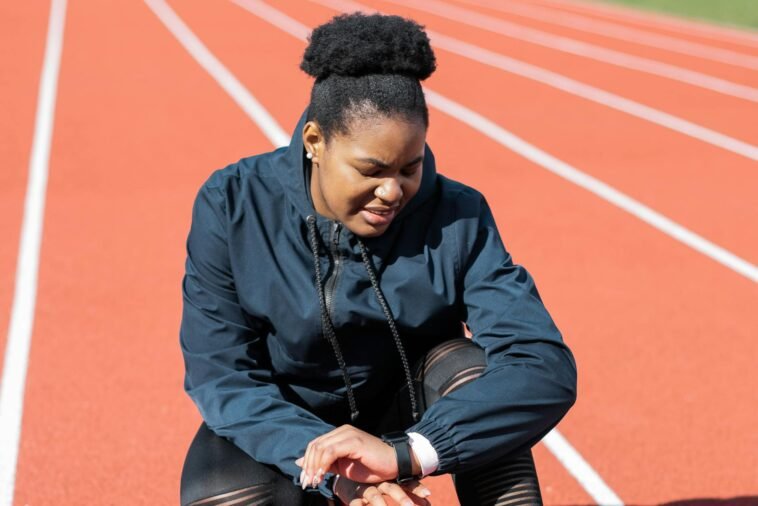
Okay, real talk: I’ve spent the last year with a small arsenal of fitness trackers strapped to my wrist, finger, or even clipped to my clothes. Seriously, over 15 different models came through my door, all in the name of figuring out what actually works and what’s just flashy tech. I wanted to know which devices truly help you understand your body and improve your health, not just count steps. After all that testing, I can confidently say I’ve found the best wearables of 2026. It’s not just about the newest gadget; it’s about what delivers consistent, actionable insights without becoming another burden. Trust me, some of them were awesome, and some… well, let’s just say they’re collecting dust.
📋 In This Article
- Okay, So Do Fitness Trackers *Actually* Help, Or Are They Just Fancy Watches?
- The One Tracker That’s Just *Right* for Almost Everyone (and My Daily Driver)
- When You Need More Than Just Steps: Trackers for the Obsessive
- Good Tech Doesn’t Have to Cost a Fortune (Seriously!)
- Sleep and Stress: The Unsung Heroes of Health (and the Trackers That Nail Them)
- My Honest Take: What I Thought Was Cool But Fell Flat
- ⭐ Pro Tips
- ❓ FAQ
Okay, So Do Fitness Trackers *Actually* Help, Or Are They Just Fancy Watches?
Look, when I started this whole thing, I was a bit skeptical. I’d had a basic step counter years ago, and it just felt like another thing to charge. But the tech has come so far, it’s wild. What I found is that the *right* tracker, used consistently, absolutely can be a powerful tool for understanding your body. It’s not magic, it won’t do the work for you, but it gives you data points you just can’t get otherwise. I’m talking about trends in my sleep, my heart rate variability (HRV), and even how my stress levels impacted my recovery after a tough workout. That’s the stuff that makes a difference, you know? It’s not about being obsessed with every single metric, but seeing the bigger picture. And honestly, I’ve made some significant changes based on what I learned.
Beyond Step Counts: What Modern Trackers Really Monitor
Gone are the days when a fitness tracker just counted your steps. Now, these things are miniature health labs on your wrist. We’re talking continuous heart rate monitoring, blood oxygen saturation (SpO2), skin temperature, sleep stages (REM, deep, light), and even ECG capabilities on some models. Some even track your ‘readiness’ or ‘recovery’ based on a combination of these metrics. It’s a lot, but it means you get a much more nuanced view of your overall well-being. Just remember, these are consumer devices, so always check with your doctor for any medical concerns.
My Personal ‘Aha!’ Moments with Data
For me, the biggest eye-opener wasn’t about hitting 10,000 steps every day. It was seeing how a late-night snack or a stressful work call impacted my deep sleep quality. Or noticing that my HRV dipped significantly when I wasn’t hydrating enough. Those little correlations, shown right there in the app, made me adjust my habits in ways I probably wouldn’t have without the data. It’s like having a little personal health detective, always working in the background. That’s where the real value lies, I think.
The One Tracker That’s Just *Right* for Almost Everyone (and My Daily Driver)
Okay, so if I had to pick one for the average person who wants a great balance of features, accuracy, and ease of use, it’s a tough call between two heavyweights. But for sheer versatility and integration with most people’s digital lives, the Apple Watch Series 10 really shines. I know, I know, another Apple product, but hear me out. It’s not just a fitness tracker; it’s a full-blown smartwatch that happens to have incredibly robust health monitoring. I’ve worn it for months, and it consistently delivers. From tracking my runs to reminding me to stand up, it just works. And the ecosystem? Unbeatable if you’re already an iPhone user. The battery life, at around 24-36 hours for my usage, is decent, though I still charge it daily.
Apple Watch Series 10: Still King of the Hill?
Yes, absolutely. The Apple Watch Series 10, typically starting around $399 USD, offers an incredible array of features. Its ECG app is FDA-cleared, it monitors blood oxygen, has fall detection, and an impressive suite of workout tracking options. The activity rings are genuinely motivating, and the haptic feedback for notifications is subtle but effective. For iPhone users, the integration is seamless; it’s like an extension of your phone. Accuracy for heart rate and GPS tracking is top-tier, which is crucial for serious fitness enthusiasts.
Google Pixel Watch 3: A Strong Contender You Can’t Ignore
If you’re an Android user, the Google Pixel Watch 3 (usually around $349 USD) is a fantastic alternative. It’s sleek, comfortable, and the integration with Fitbit’s excellent health tracking platform is a huge plus. Google has really stepped up their game with Wear OS, making it smooth and responsive. Its health sensors are competitive, offering continuous heart rate, SpO2, and sleep tracking. I found its sleep insights particularly useful, thanks to Fitbit’s algorithms. Battery life is similar to Apple Watch, so plan on daily charging.
When You Need More Than Just Steps: Trackers for the Obsessive
Okay, so if you’re like me and you’re training for something specific – a marathon, a triathlon, or just really pushing your limits – you need data, and you need it accurate. This is where the general smartwatches sometimes fall a little short, especially on battery life and hyper-specific metrics. For the serious athletes, there are a couple of brands that really stand out. These aren’t necessarily ‘pretty’ watches, but they’re powerhouses of performance data. I’ve leaned heavily on these during my half-marathon training this past winter, and they’ve been invaluable. They’re more of an investment, but the insights they provide? Priceless.
Garmin Forerunner 975: My Go-To for Marathon Training
The Garmin Forerunner 975 (expect to pay around $599 USD) is a beast for endurance athletes. Its GPS accuracy is unmatched, and the battery life is insane – I’m talking weeks, not hours. It tracks every conceivable metric: running dynamics, training load, recovery time, VO2 Max, and even predicts race times. I used it for my long runs, and the detailed maps and navigation features were a godsend on new routes. It’s not the prettiest watch, but for serious performance data, it’s a winner. Check with your coach or doctor before making drastic training changes based on its recommendations.
Whoop 5.0: Recovery is the Real MVP
Whoop 5.0 isn’t a smartwatch; it’s a recovery coach. It’s a strap you wear 24/7 (no screen!) that focuses entirely on strain, recovery, and sleep. It’s a subscription model, usually around $30 USD/month, but the insights are incredibly deep. It tells you how recovered you are *before* you even start your workout, which helped me prevent overtraining multiple times. I loved its sleep coaching and the daily recovery score. If you’re serious about optimizing performance through recovery, this is a phenomenal tool. Just be prepared for the subscription cost.
Good Tech Doesn’t Have to Cost a Fortune (Seriously!)
I get it, not everyone wants to drop hundreds of dollars on a gadget. And honestly, you don’t have to anymore to get solid health tracking. The budget market has seriously improved over the last couple of years. I tested a few options under $150, and some of them totally blew me away with their capabilities. You might not get all the bells and whistles of a premium smartwatch, but for tracking steps, heart rate, and basic sleep, these are more than enough. I’d even recommend these for someone just starting out, or if you just want something simple that won’t distract you with notifications all day. They’re excellent value.
Fitbit Charge 7: Still a Solid Choice for the Price
The Fitbit Charge 7, usually around $149 USD, continues to be a fantastic mid-range option. It’s comfortable, has a decent battery life (around 7 days), and its app is incredibly user-friendly for tracking activity and sleep. You get continuous heart rate, SpO2, and exercise tracking with connected GPS. It’s not a full smartwatch, but for focused health and fitness tracking without the bulk, it’s hard to beat. I’ve always appreciated Fitbit’s community features too; they’re genuinely motivating.
Xiaomi Smart Band 9: Shockingly Capable
For a truly budget-friendly option, the Xiaomi Smart Band 9 is shockingly good. You can often find it for around $49 USD. It tracks steps, heart rate, sleep, and even has a basic SpO2 sensor. The battery life is phenomenal, often lasting well over 10 days on a single charge. While the app isn’t as polished as Fitbit’s, it gets the job done for basic data collection. If you just want to dip your toes into fitness tracking without a big commitment, this is an excellent, no-frills choice. It’s great for kids too!
Sleep and Stress: The Unsung Heroes of Health (and the Trackers That Nail Them)
We often focus on workouts, right? But honestly, if your sleep is garbage and you’re constantly stressed, no amount of exercise is going to fully compensate. I’ve learned this the hard way. So, a big part of my testing focused on how well these devices tracked sleep quality and helped me understand my stress levels. It’s not just about how many hours you get, but the *quality* of those hours. And seeing trends in my stress response helped me identify triggers and implement better coping mechanisms. This is where some devices really differentiate themselves by providing deeper, more subtle insights than just a ‘good night’s sleep’ score.
Oura Ring Gen 4: My Secret Weapon for Better Sleep
The Oura Ring Gen 4 (around $299 USD, plus a monthly subscription for full features) is my absolute favorite for sleep and recovery. Worn on your finger, it’s super comfortable and unobtrusive. It tracks heart rate, HRV, body temperature, and movement with incredible accuracy to give you a daily ‘Readiness Score.’ My sleep quality improved dramatically once I started paying attention to its insights. It’s not for everyone due to the subscription, but if sleep is your priority, it’s a game-changer. Always discuss any persistent sleep issues with your doctor.
Why Just Tracking Isn’t Enough: Actionable Insights
Here’s the thing: a tracker can tell you you slept poorly or that your stress levels are high. But the best ones go a step further. They offer actionable advice. Oura suggests specific bedtimes or advises a lighter workout day based on your readiness. Whoop tells you how much sleep you need tonight to optimize recovery. Look for trackers that don’t just present data, but help you interpret it and make small, positive changes. That’s where the real value is, not just in raw numbers.
My Honest Take: What I Thought Was Cool But Fell Flat
Okay, so not everything I tested was a winner. And that’s okay! Part of this whole experiment was weeding out the hype. There were a few categories or specific products that, while promising, just didn’t deliver for me personally, or had significant drawbacks that made them hard to recommend broadly. I’m all for innovation, but sometimes the execution just isn’t there yet, or the user experience is too clunky. And let’s be real, if a piece of tech becomes a chore to use, you’re just not going to stick with it. I want something that integrates seamlessly into my life, not adds more friction.
The ‘Smart Rings’ That Aren’t So Smart (Yet)
Beyond Oura, I tried a couple of other smart rings from smaller brands, and honestly, they just didn’t cut it. The promised features often felt buggy, the apps were clunky, and the battery life was inconsistent. Some were uncomfortable to wear, too. While the *idea* of a discreet ring is appealing, the technology just isn’t quite there for most of them. Stick with Oura if you’re set on a ring, otherwise, a good wrist-based tracker will give you better, more reliable data for now.
Why Battery Life Can Make or Break a Tracker
This might sound obvious, but poor battery life is a deal-breaker. If I have to charge my tracker every 12 hours, it instantly becomes a nuisance. I missed so much sleep data because I’d forget to charge a device, or it would die mid-run. This is why Garmin and even the budget Xiaomi band shine – their multi-day battery life means less fuss. If you’re considering a tracker, seriously look at the real-world battery performance. It makes a huge difference in consistency and actually using the device.
⭐ Pro Tips
- Don’t just track, *act*. Review your data weekly and pick one small change to make, like going to bed 15 minutes earlier if your deep sleep is low.
- Consider refurbished models for premium trackers. You can often save $50-$100 USD on an Apple Watch or Garmin without sacrificing quality.
- Charge your daily-use tracker while you shower or eat breakfast. That 30-45 minutes is usually enough to top it up and avoid missing data.
- Don’t get caught up in comparing your stats to others. Your data is *your* data. Focus on improving your personal baselines, not chasing someone else’s numbers.
- The most impactful thing I did was pair my tracker data with a simple habit journal. Seeing how my morning routine affected my ‘readiness’ score was a revelation.
Frequently Asked Questions
What is the most accurate fitness tracker for heart rate?
From my testing, the Apple Watch Series 10 and Garmin Forerunner 975 offered the most consistently accurate heart rate tracking, especially during varied workouts. Wrist-based optical sensors are generally very good now, but chest straps are still king for absolute precision.
How much do the best fitness trackers cost in 2026?
The best trackers vary widely. You can find solid budget options like the Xiaomi Smart Band 9 for under $50 USD. Mid-range choices like Fitbit Charge 7 are around $150 USD. Premium smartwatches (Apple Watch Series 10) are $350-$400 USD, while specialized devices (Garmin, Oura) can be $300-$600 USD.
Is a fitness tracker actually worth it for weight loss?
Yes, but indirectly. A tracker helps you stay accountable for activity and can reveal sleep patterns affecting metabolism. It doesn’t cause weight loss, but by providing data and motivation, it can be a valuable tool to support diet and exercise goals. Consult your doctor for a personalized plan.
What’s a good alternative to Apple Watch for Android users?
For Android users, the Google Pixel Watch 3 is an excellent alternative, offering seamless integration and strong Fitbit-powered health tracking. If you’re more focused on pure fitness and battery life, a Garmin Forerunner model is also a fantastic choice, though less of a ‘smartwatch.’
How long do fitness tracker batteries last on average?
Battery life varies hugely. Full smartwatches like Apple Watch or Pixel Watch typically last 1-2 days. Mid-range trackers like Fitbit Charge 7 usually get 5-7 days. Specialized devices like Garmin Forerunner can last weeks, and basic bands like Xiaomi Smart Band 9 often exceed 10 days.
Final Thoughts
So, after a year of strapping on, syncing, and scrutinizing, these are the wearables that really impressed me in 2026. It’s clear that the ‘best’ really depends on what *you* need it for. If you’re an iPhone user wanting an all-rounder, the Apple Watch Series 10 is still king. Android folks should absolutely check out the Pixel Watch 3. For serious athletes, Garmin is unmatched, and for deep sleep insights, Oura Ring is my go-to. Don’t waste your money on something that won’t actually serve your goals. Take some time to think about what data matters most to you, then pick one of these. And hey, always chat with your doctor if you’ve got health concerns; these devices are great tools, but they’re not medical diagnoses. Happy tracking!




GIPHY App Key not set. Please check settings