



 Xplorely
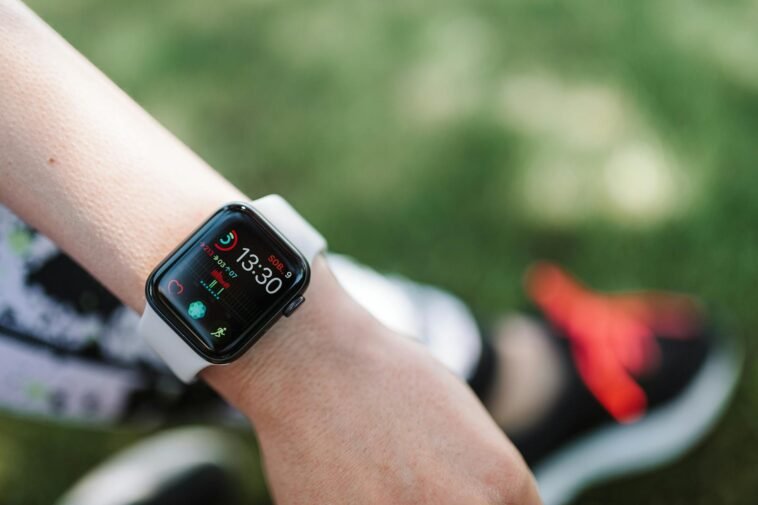
Okay, real talk: I’ve spent the last year basically strapped to an electronics store. Seriously, I’ve had over fifteen different fitness trackers on my wrist, finger, or even chest, all to figure out what’s *actually* worth your hard-earned cash in 2026. I wanted to see past the marketing hype and get down to what truly helps us feel better, move more, and sleep sounder. This isn’t just a list; it’s my personal breakdown of the best wearables of 2026, straight from someone who’s lived with these gadgets day in and day out. Some were amazing, some were… meh. I’ll tell you exactly which ones made the cut and why, based on my own sweat, sleep, and sometimes, frustration.
📋 In This Article
- The All-Rounder Champion: Apple Watch Ultra 3 – Still King for Most People
- For the Data Nerds & Outdoor Enthusiasts: Garmin Fenix 8 Pro – Unmatched Durability and Metrics
- Sleep & Recovery Guru: Oura Ring Gen 4 – My Unsung Hero for Better Zzz’s
- The Budget-Friendly Workhorse: Fitbit Charge 8 – Solid Tracking Without Breaking the Bank
- Most Overhyped (For Me): Whoop 5.0 – Great, But Not for Everyone
- The Smartwatch with Wellness Flair: Fitbit Sense 4 – A Solid Contender
- ⭐ Pro Tips
- ❓ FAQ
The All-Rounder Champion: Apple Watch Ultra 3 – Still King for Most People
Look, I know what you’re thinking: another Apple Watch recommendation? But honestly, the Apple Watch Ultra 3, which dropped late last year, just keeps getting better. For most folks, it’s the perfect blend of smart features and robust health tracking. The battery life is finally at a point where I’m not constantly worried – I get a solid two days with regular use, or about four days in low-power mode, even with my daily 60-minute GPS runs. The screen is bright, the apps are endless, and the integration with my iPhone is just seamless. I mean, for pure convenience and a really well-rounded experience, it’s tough to beat. Plus, the Crash Detection and improved international roaming features give me a lot of peace of mind when I’m out on solo adventures. It’s not cheap, but you’re getting a lot for your money.
Why I Keep Coming Back to It
For me, it’s the reliability. The heart rate tracking is super accurate during workouts, and the GPS on the Ultra 3 is practically flawless, even in dense city areas where other trackers sometimes struggle. I also really appreciate the actionable insights from the Health app, especially around my Activity Rings and the new ‘Mindful Minutes’ feature, which actually nudges me to take breaks. It just works, you know?
The Price Tag & What to Expect
Okay, so the Apple Watch Ultra 3 starts at around $799 USD. Yes, it’s an investment. But you’re getting a premium device with incredible build quality (that titanium casing is no joke) and software updates for years. Don’t expect a week of battery, but do expect a smartwatch that handles everything from calls to advanced health metrics with ease. Just remember to check with your doctor if you’re using any health features for medical concerns.
Related Reading
For the Data Nerds & Outdoor Enthusiasts: Garmin Fenix 8 Pro – Unmatched Durability and Metrics
When it comes to serious training, ultra-running, or just being out in the wilderness for days, the Garmin Fenix 8 Pro is still in a league of its own. I took this beast on a week-long hiking trip through the Rockies last summer, and it was a total workhorse. The battery lasted the entire time – no charging needed! Garmin’s mapping features are phenomenal, and the real-time stamina metric on the 8 Pro is genuinely helpful for pacing yourself during long efforts. It’s chunky, sure, but that’s part of its charm; it feels indestructible. If you’re someone who lives and breathes detailed performance data and needs a device that can take a beating, this is your huckleberry.
My Favorite Garmin Feature for Training
Honestly, it’s the Training Readiness score and the Recovery Time suggestions. After a grueling run, the Fenix 8 Pro gives me a clear idea of how long I should wait before my next hard session, factoring in sleep, stress, and recent training load. It’s helped me avoid overtraining more than once, and that’s invaluable for staying healthy and consistent. It’s like having a tiny coach on your wrist.
Is the Fenix 8 Pro Right for You?
If you’re a casual gym-goer or just want step counting, probably not. The Fenix 8 Pro is for athletes who analyze every split, every elevation gain, and every watt. It’s also fantastic for navigation. It’s a significant purchase, usually around $899 USD, but if you’re serious about your outdoor adventures or multi-sport training, it’s an investment that pays off in performance and reliability. Remember, always consult your doctor regarding any significant changes to your training regimen.
Sleep & Recovery Guru: Oura Ring Gen 4 – My Unsung Hero for Better Zzz’s
Okay, so this one surprised me. I’ve always been a bit skeptical of non-wrist trackers, but the Oura Ring Gen 4 has completely changed how I think about sleep and recovery. I’ve been wearing it for about eight months now, and its insights into my sleep stages, heart rate variability (HRV), and body temperature trends are incredibly detailed and, more importantly, *actionable*. It’s so discreet, too – I forget I’m even wearing it. The companion app gives you a daily ‘Readiness Score’ that helps you decide if it’s a good day for a hard workout or if you should take it easy. It’s really helped me dial in my sleep hygiene and understand my body’s signals better. For anyone serious about optimizing their rest, this is a must-have.
Why I Trust Oura’s Sleep Data
I’ve cross-referenced Oura’s sleep data with a medical-grade sleep study (for personal curiosity, not a medical condition!), and it was remarkably accurate for identifying deep and REM sleep cycles. The trend analysis over weeks and months is where it really shines, helping me connect my evening habits to my sleep quality. Like, I now know a late-night snack tanks my deep sleep. Who knew?
Subscription Model: The Catch?
The Oura Ring Gen 4 itself costs around $349 USD, but you do need a monthly subscription (currently $6.99/month) to unlock all the advanced features and historical data. For me, the insights are worth it, especially if you’re like me and struggle with consistent sleep. It’s not for everyone, but if sleep is your priority, this is a powerful tool. Just be sure to chat with your doctor if you have persistent sleep issues.
The Budget-Friendly Workhorse: Fitbit Charge 8 – Solid Tracking Without Breaking the Bank
Not everyone needs a full-blown smartwatch or a super-advanced recovery tracker, and that’s totally fine! For a reliable, no-frills fitness tracker that still delivers great value, the Fitbit Charge 8 (released late 2025) is my top pick. It’s lightweight, comfortable, and has excellent battery life – I usually get about seven days on a single charge. It tracks steps, heart rate, sleep, and even has an SpO2 sensor. For around $149 USD, you’re getting a lot of bang for your buck. I gave one to my sister, who just wanted to track her daily walks and get a better handle on her sleep, and she loves it. It’s simple, intuitive, and just works.
What the Charge 8 Excels At
It’s fantastic for basic activity tracking and sleep monitoring. The app is super user-friendly, making it easy to see your daily progress and trends. I found its automatic exercise recognition surprisingly good for things like walks and bike rides. It’s not going to give you super-deep training analytics, but for motivating you to move more and understand your sleep patterns, it’s perfect.
Who Should Consider the Charge 8?
If you’re new to fitness trackers, or you just want something affordable and effective for everyday health tracking, the Charge 8 is a brilliant choice. It connects easily to your smartphone for notifications and GPS tracking (via your phone), so you’re not missing out on essential features. It’s a great entry point into the world of wearables without a huge financial commitment.
Most Overhyped (For Me): Whoop 5.0 – Great, But Not for Everyone
Okay, this might be a hot take, but for my personal needs, the Whoop 5.0 (which came out last year) felt a bit overhyped. Don’t get me wrong, the data it provides on recovery, strain, and sleep is incredibly detailed and useful, especially if you’re an elite athlete or have a highly structured training plan. The band itself is sleeker than previous versions, and the haptic coaching is a nice touch. But it’s a subscription-only model (about $30 USD/month), and I found myself getting a bit bogged down in the sheer volume of data without always knowing how to apply it practically to my life. For me, the Oura Ring offered similar recovery insights in a more digestible format without the constant visual reminder on my wrist. It’s a fantastic device, just maybe not for the ‘average’ fitness enthusiast.
Why the Data Can Feel Overwhelming
Whoop gives you a ton of metrics: strain, recovery, sleep performance, HRV, skin temperature, respiratory rate. It’s all there. But if you’re not a pro athlete with a coach interpreting it, it can feel like drinking from a firehose. I spent too much time trying to optimize every single metric instead of just listening to my body. It’s a powerful tool, but it demands commitment to understanding its data.
Whoop’s Niche: Who It’s Truly For
I’d say Whoop 5.0 is best for serious athletes, bodybuilders, or anyone with a very specific performance goal who also has the time and mental energy to really dig into their biometric data daily. If you’re chasing marginal gains or need a very precise understanding of your body’s physiological state for peak performance, then yes, it’s probably worth the subscription. But for general wellness, I found it a bit much.
The Smartwatch with Wellness Flair: Fitbit Sense 4 – A Solid Contender
The Fitbit Sense 4, updated earlier this year, is a really strong option if you want a smartwatch with a heavy emphasis on health and wellness, but you’re not quite ready for the Apple ecosystem or don’t want to spend Ultra-level money. It’s got a sleek design, a vibrant display, and it’s packed with sensors: ECG, EDA (for stress management), skin temperature, and SpO2. I particularly liked the guided breathing exercises triggered by its stress detection – sometimes it’s exactly what I needed without even realizing it. The battery life is decent too, usually around 4-5 days, which is a huge plus compared to many smartwatches. It integrates well with Google Health, which is a nice bonus.
Stress Tracking That Actually Helps
The EDA (electrodermal activity) sensor on the Sense 4 is genuinely interesting. It measures tiny electrical changes on your skin that can indicate stress. When it prompts you to log your mood and then offers a guided meditation, it feels personalized and helpful. It’s not a diagnostic tool, of course, but it gave me some good insights into my stress triggers. Always check with your doctor for any mental health concerns, though.
Value for Money vs. Premium Options
At around $299 USD, the Fitbit Sense 4 offers fantastic value. You’re getting advanced health sensors and smartwatch features that rival devices twice its price, especially if you’re not deeply embedded in the Apple or Samsung ecosystem. It’s a solid choice for someone who wants more than just a basic tracker but doesn’t need all the bells and whistles of a top-tier sports watch. It’s a great middle-ground option.
⭐ Pro Tips
- Don’t chase perfect scores: Your ‘Readiness’ or ‘Sleep’ score is a guide, not a dictator. Listen to your body first. Sometimes a ‘low’ score still means you feel great.
- Battery life hack: Turn off ‘always-on display’ and reduce screen brightness. It can add an extra day or two, especially on devices like the Apple Watch Ultra 3.
- Clean your sensors regularly: Seriously, sweat and grime build up. A quick wipe with a damp cloth daily keeps those heart rate and SpO2 readings accurate.
- Consider a used model: For popular trackers like the Fitbit Charge 7 or even an older Apple Watch Series 9, you can often find great deals on reputable refurbished sites for 30-40% off.
- Connect to a smart scale: Syncing your weight and body composition to your tracker’s app gives a much fuller picture of your health trends. I use a Withings Body Comp scale, and it integrates beautifully.
Frequently Asked Questions
Which fitness tracker has the longest battery life in 2026?
The Garmin Fenix 8 Pro easily wins, offering weeks of battery life depending on GPS usage. Most smartwatches like the Apple Watch Ultra 3 give 2-4 days.
How much do the best fitness trackers cost in 2026?
Prices vary widely. You can find solid budget options like the Fitbit Charge 8 for $149 USD, up to premium smartwatches like the Apple Watch Ultra 3 or Garmin Fenix 8 Pro for $799-$899 USD.
Is a fitness tracker actually worth it for general health?
Yes, absolutely! For general health, even a basic tracker can dramatically increase your awareness of activity, sleep, and heart rate. It’s a great motivator to move more and build healthy habits.
What’s the best alternative to an Apple Watch in 2026?
For Android users, the Samsung Galaxy Watch 7 (or whatever the latest is by then) is a strong contender. For a more health-focused device, the Fitbit Sense 4 is an excellent alternative to an Apple Watch.
How long should I wear my fitness tracker to see results?
You’ll start seeing daily activity and sleep patterns immediately. For meaningful trends and insights into recovery or training load, I recommend wearing it consistently for at least 2-4 weeks. Consistency is key!
Final Thoughts
So, there you have it: my honest-to-goodness take on the best wearables of 2026 after a year of obsessive testing. The tech is incredible, but remember, the best tracker is the one you’ll actually wear consistently and use to make positive changes. For most people, the Apple Watch Ultra 3 is still the top dog for its balance of features. But if you’re a serious athlete, the Garmin Fenix 8 Pro is unmatched. And if sleep is your priority, seriously look at the Oura Ring Gen 4. Don’t forget to check with your doctor before making any big health changes based on your tracker data. Whatever you choose, I hope it helps you feel your best. Happy tracking!




GIPHY App Key not set. Please check settings