



 Xplorely
Okay, real talk for a minute. It’s April 2026, and I’m so over the endless parade of wellness fads. Every other week there’s some new ‘miracle’ supplement or ‘must-try’ detox promising the moon. Honestly, I’ve tried a lot of that stuff, and most of it? Total waste of time and money. I’ve learned that the most impactful changes are often the simplest, but they require consistency and a bit of smarts. So, instead of another list of fleeting trends, I wanted to share my **3 wellness tips for 2026** — the ones I’ve personally stuck with because they genuinely move the needle for my health, year after year. These aren’t just theories; they’re practices that have made a real difference in my energy, mood, and overall well-being. And trust me, I’m not selling you anything you don’t actually need.
📋 In This Article
- Seriously, Go to Bed! Why Your Sleep Tracker is More Than Just a Gadget
- Smart Pills, Not Just Any Pills: The Supplements I *Actually* Keep Taking in 2026
- Ditch the Gym Guilt: How I Stay Active Without the Grind
- Your Gut: The Unsung Hero of 2026 Wellness
- Quieting the Noise: My Go-To for Mental Calm
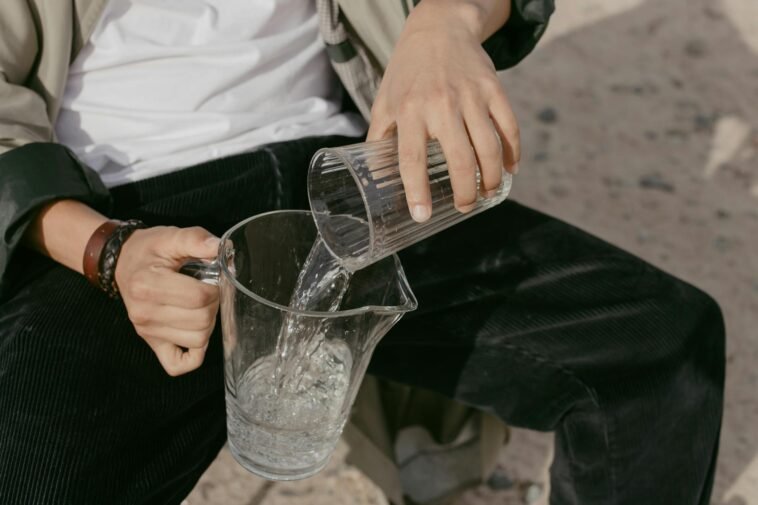
- Seriously, Drink More Water (It’s Still The Best Thing You Can Do)
- ⭐ Pro Tips
- ❓ FAQ
Seriously, Go to Bed! Why Your Sleep Tracker is More Than Just a Gadget
Look, I used to think I was ‘fine’ on six hours of sleep. I’d brag about it, even. But then I started getting serious about my health a few years back, and sleep became my non-negotiable. It’s April 2026, and I can tell you, good sleep isn’t a luxury; it’s the foundation for everything else. I started tracking my sleep with an Oura Ring (I’m on my third generation now, the ‘Horizon’ model, which I bought for around $349 USD last year), and it was a revelation. Seeing my heart rate variability (HRV) tank after a late night, or my resting heart rate (RHR) spike when I was stressed, really opened my eyes. It’s not just about the hours; it’s about the *quality* of those hours. And when my sleep metrics are good, my energy, mood, and focus follow suit. It’s that simple, really.
Tweak Your Evening Routine for Better Zzz’s
This is where the rubber meets the road. For me, it means turning off bright screens by 9 PM. No scrolling, no late-night emails. I use blue light blocking glasses from Ocushield (the ‘Aviator’ style for about £50 GBP) if I absolutely have to look at a screen. And my bedroom? It’s a cave: dark, quiet, and cool. I aim for 18-20°C (64-68°F). A dark room is crucial, so consider blackout blinds if you get any light bleed. You’ll be surprised what a difference these small changes make.
Light Exposure: It’s Not Just About Nighttime
Here’s a tip most people overlook: your morning light exposure is just as important as your evening routine. I try to get 10-15 minutes of natural sunlight within an hour of waking, even if it’s cloudy. Just step outside, no sunglasses. It helps set your circadian rhythm. And in the evenings, I’ll sometimes use a small red light therapy device, like the ‘Mito Red Light Mini’ (around $199 USD), for 10-15 minutes before bed. It’s not a magic bullet, but it feels calming and might help with sleep onset for some.
Related Reading
Smart Pills, Not Just Any Pills: The Supplements I *Actually* Keep Taking in 2026
Okay, supplements. This is a minefield, right? I’ve definitely fallen for the hype train more times than I care to admit. Spent a small fortune on things that did absolutely nothing. But through a lot of trial and error, and talking to some really sharp doctors, I’ve narrowed it down to a few core supplements that I truly believe in and have seen personal benefits from. And please, always check with your doctor before adding new supplements, especially if you have existing health conditions. My picks aren’t sexy, but they’re backed by pretty solid research, and I feel the difference when I’m consistent with them. This isn’t about chasing the latest trend; it’s about filling common nutritional gaps.
Magnesium L-Threonate: The Brain Booster
I swear by Magnesium L-Threonate. Unlike other forms of magnesium, this one is specifically designed to cross the blood-brain barrier, which means it helps with cognitive function, memory, and sleep quality. I take 400mg every night about an hour before bed. I use ‘Life Extension Neuro-Mag Magnesium L-Threonate’ (usually around $25-30 USD for a month’s supply). It helps me feel calmer and get deeper, more restorative sleep. For me, it’s been a noticeable improvement over standard magnesium citrate.
Omega-3s: More Than Just Heart Health
Omega-3 fatty acids, specifically EPA and DHA, are non-negotiable for me. They’re fantastic for reducing inflammation, supporting brain health, and even boosting mood. I aim for 2-3 grams of combined EPA and DHA daily. I trust ‘Nordic Naturals Ultimate Omega’ (a 180-count bottle is typically $55-65 USD and lasts about 2 months). Make sure you’re getting a high-quality, third-party tested brand that’s IFOS certified to ensure purity and potency. It’s a consistent player in my routine for good reason.
Ditch the Gym Guilt: How I Stay Active Without the Grind
You know that feeling? The one where you feel like if you’re not absolutely crushing it at the gym for an hour, five times a week, you’re failing? Yeah, I’ve been there. And it led to burnout more times than I can count. What I’ve realized, especially as we roll through 2026, is that consistent, sustainable movement is far more effective than sporadic, intense bursts. My secret? Focusing on NEAT – Non-Exercise Activity Thermogenesis. It’s basically all the movement you do that isn’t structured exercise. This approach has totally changed my relationship with fitness. It’s about integrating movement into your life, not carving out a huge, intimidating block for it.
The Power of the Daily Walk
This sounds almost too simple, but a daily walk is my most consistent form of exercise. I aim for 8,000 to 10,000 steps every single day. I track it with my phone’s health app or my Oura Ring. I’ll take calls while walking, listen to podcasts, or just clear my head. It’s amazing how much difference that consistent, low-impact movement makes for my energy levels, digestion, and even creativity. It’s free, accessible, and incredibly effective for overall well-being.
Quick Strength: You Don’t Need an Hour
Okay, so I don’t always make it to a fancy gym, and that’s fine. Instead, I do short, focused bodyweight workouts at home 3-4 times a week. We’re talking 15-20 minutes, maximum. Push-ups, squats, lunges, planks, maybe some resistance band work. I follow some routines on the free ‘Nike Training Club’ app or just pull up a quick YouTube video. It’s enough to maintain strength, keep my metabolism chugging, and prevent those aches and pains that come from sitting too much. No excuses when it’s only 15 minutes.
Your Gut: The Unsung Hero of 2026 Wellness
For years, I dealt with frustrating digestive issues – bloating, inconsistent energy, brain fog. It was annoying, and honestly, a bit embarrassing. It wasn’t until I really started paying attention to my gut health that things started to click. The science around the gut microbiome has exploded in the last few years, and it’s clear now: a healthy gut isn’t just about digestion; it impacts everything from your mood and immune system to skin health and even sleep. It’s wild! This isn’t about some crazy juice cleanse; it’s about nurturing the trillions of bacteria living inside you with consistent, smart choices. I’ve found that small, daily habits make the biggest difference here.
Fiber First, Always
The simplest and most effective gut health strategy? Eat more fiber. Most of us just don’t get enough. I aim for 25-30 grams a day. That means loading up on berries, leafy greens, legumes (hello, lentils!), and whole grains. I often sneak chia seeds or ground flaxseed into my morning smoothie or yogurt. It feeds your beneficial gut bacteria, keeps things moving, and helps you feel fuller for longer. It’s truly foundational for gut health, and you’ll notice the difference pretty quickly.
Smart Probiotics & Fermented Foods
While fiber is king, I also incorporate fermented foods and a targeted probiotic. I try to have a small serving of kimchi, sauerkraut, or plain kefir daily. For a probiotic, I look for multi-strain options with at least 10-20 billion CFUs. I’ve had good results with ‘Culturelle Daily Probiotic’ (around $20-25 USD for a month). It’s not a magic pill, but it supports a diverse microbiome. Remember, fermented foods introduce new bacteria, and fiber feeds them, so they work best together.
Quieting the Noise: My Go-To for Mental Calm
Let’s be honest, 2026 can be a noisy place. Our brains are constantly bombarded with information, notifications, and just… stuff. I used to feel like I was always ‘on,’ and it led to a lot of low-level anxiety and mental fatigue. I tried traditional meditation, and while it’s great, sometimes I just couldn’t sit still enough. So, I found some simpler, more accessible ways to hit the mental reset button. These aren’t about achieving enlightenment; they’re about finding moments of peace and clarity in your day, even if it’s just for a few minutes. Because a calm mind impacts everything else.
Breathwork: Your Instant Reset Button
This is my absolute favorite quick-fix for stress. When I feel overwhelmed, I’ll do a few rounds of 4-7-8 breathing. Inhale for 4 counts, hold for 7, exhale for 8. Do it for 5 minutes. It’s incredibly effective at calming the nervous system. You can use guided sessions on apps like ‘Calm’ or ‘Headspace’ if you like, but honestly, just counting in your head works perfectly. It’s a free, portable tool you can use anywhere, anytime, and it genuinely shifts my state within minutes.
Nature Time: Unplug and Recharge
Seriously, get outside. Even if it’s just for 20-30 minutes in a local park or your backyard. Leave your phone inside or put it on airplane mode. The simple act of being in nature, observing trees, feeling the sun, or just listening to birds, has a profound calming effect. I’ve noticed a huge difference in my stress levels and overall mood when I make this a non-negotiable part of my week. It’s a powerful way to disconnect from digital noise and reconnect with something real.
Seriously, Drink More Water (It’s Still The Best Thing You Can Do)
Okay, this one sounds almost too basic for a 2026 wellness tip, right? But honestly, dehydration is so common and so impactful, yet so often overlooked. I used to get headaches, feel sluggish, and just generally ‘off,’ and nine times out of ten, it was because I simply hadn’t drunk enough water. Our bodies are mostly water, so it makes sense that everything works better when we’re properly hydrated. And I mean *properly* hydrated, not just sipping a single glass all day. It affects everything from your energy and concentration to your digestion and skin. It’s the original, truly foundational wellness hack, and it’s still the best.
Make It a Habit, Not a Chore
The trick for me is making water easily accessible. I always have a ‘Stanley Quencher H2.0 FlowState’ tumbler (about $45 USD) filled with water right next to me. I also set reminders on my phone every couple of hours to chug a glass. I aim for 2-3 liters a day, adjusting based on my activity level. It’s not about forcing it down; it’s about constant, consistent sips throughout the day. You’ll be amazed at how much better you feel when you’re consistently hydrated.
Electrolytes Aren’t Just for Athletes
Especially if you’re active, or even just feeling a bit sluggish, adding electrolytes can make a huge difference. It’s not just for marathon runners! I’ll often add a pinch of good quality sea salt (like ‘Redmond Real Salt’ for around $10-15 USD) to my water, or use a sugar-free electrolyte powder like ‘LMNT Recharge’ (about $45 USD for 30 servings). It helps your body absorb water more efficiently and replaces minerals lost through sweat, preventing those afternoon energy dips and headaches.
⭐ Pro Tips
- Invest in an Oura Ring (Horizon model, around $349 USD) for objective sleep and recovery data. It’s worth it.
- Buy Omega-3s in bulk from a reputable brand like Nordic Naturals when they’re on sale; it saves about 20-30% on monthly costs.
- Place your phone on airplane mode an hour before bed and leave it in another room. Seriously, it’s a sleep game-changer.
- Don’t fall for the ‘all-or-nothing’ workout trap. Even 15 minutes of bodyweight exercises is better than zero.
- Consistency over intensity made the biggest difference for me. Pick one thing from this list and stick with it for 30 days.
Frequently Asked Questions
What’s the best sleep tracker for 2026?
For comprehensive data and comfort, I’d say the Oura Ring Horizon is still top-tier in April 2026. It’s discreet and tracks HRV, RHR, and sleep stages really well. Expect to pay around $349 USD, plus a monthly subscription.
How much do good quality Omega-3s cost per month?
A month’s supply of high-quality, IFOS-certified Omega-3s like Nordic Naturals Ultimate Omega typically costs between $25-35 USD, assuming a daily dose of 2-3g EPA/DHA. Prices vary slightly by retailer and sales.
Is daily walking enough exercise?
Yes, for general health and well-being, consistent daily walking (8,000-10,000 steps) is fantastic. It’s a great foundation. For optimal fitness, add 2-3 short strength training sessions per week, but walking is a powerful start.
Do I really need probiotic supplements?
Not necessarily. Prioritize fiber-rich foods and fermented foods first. If you still experience digestive issues or are recovering from antibiotics, a multi-strain probiotic like Culturelle can be beneficial. Always check with your doctor.
How long does it take to feel better after improving gut health?
It varies, but many people notice improvements in digestion and energy within 2-4 weeks of consistent dietary changes (more fiber, fermented foods). Full microbiome shifts can take a few months, so stick with it!
Final Thoughts
So, there you have it: my honest, no-fluff **3 wellness tips for 2026** (plus a few bonus ones!). It’s not about quick fixes or expensive gadgets; it’s about building a solid foundation with consistent, smart choices. I’ve been on this journey for years, and these are the things that have stood the test of time for me. Don’t try to do everything at once. Pick one thing — maybe focus on getting to bed earlier tonight, or add a daily walk. See how you feel. And please, always check with your doctor before making any big changes to your health routine. Your well-being is worth the effort, and it starts with just one step.




GIPHY App Key not set. Please check settings