



 Xplorely
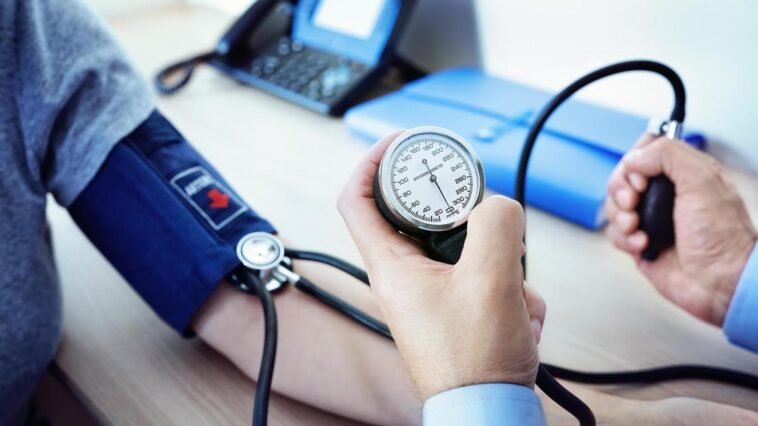
Okay, so I was sitting across from my doctor a few years back, maybe 28, and she hit me with it: “Your blood pressure is consistently high.” My jaw just about hit the floor, you know? I thought that was an ‘old person’ problem. But here’s the thing, more and more young adults with high blood pressure are getting this news, and it’s not something to brush off. It carries some serious, long-term risks for your heart and kidneys. I mean, we’re talking about potential damage that starts quietly but can really mess things up down the road. I had to figure out what was real, what was hype, and what actually worked for me. And honestly, it’s a journey, not a sprint. But you’re not alone, and there are absolutely things you can do right now to make a difference.
📋 In This Article
- Why This Isn’t Just Your Grandparent’s Problem Anymore
- First Steps: Getting a Handle on Your Numbers (and Your Doctor)
- Diet Makeover: Small Changes, Big Impact
- Move Your Body: It’s Not Just About the Gym
- Stress, Sleep, and Supplements: The Supporting Cast
- Living with It: Expectations, Medication, and The Long Game
- ⭐ Pro Tips
- ❓ FAQ
Why This Isn’t Just Your Grandparent’s Problem Anymore
Look, for years, high blood pressure was basically synonymous with getting older. But the data from places like the American Heart Association and even our own health departments here in 2026? They’re showing a pretty alarming trend: more young adults are being diagnosed. And when you get it young, that means your body, particularly your arteries, heart, and kidneys, are exposed to that constant, damaging pressure for a much longer time. Think of it like a hose running at full blast, all day, every day – eventually, something’s gonna give, right? It’s not just about a higher risk of a heart attack or stroke later in life. We’re talking about things like early kidney disease, vision problems, and even issues with cognitive function. It’s a silent threat, and that’s what makes it so sneaky. So, no, this isn’t just something to shrug off because you’re ‘young and invincible.’
The Silent Damage: What’s Really Happening Inside?
When your blood pressure stays high, it literally stiffens and narrows your arteries. Your heart has to work harder to pump blood through these constricted vessels. This extra strain can thicken the heart muscle, making it less efficient over time. And your kidneys? They’re basically filter stations for your blood. High pressure damages the tiny blood vessels in your kidneys, making them less able to filter waste effectively. You won’t feel this happening, not until it’s pretty advanced, which is why early detection is so, so important.
Real Talk: The Future You’re Avoiding
Honestly, the scariest part for me was realizing the long-term impact. We’re talking about a higher chance of needing dialysis for kidney failure in your 50s, or dealing with congestive heart failure when your friends are just starting to plan their retirement trips. It’s not a scare tactic; it’s just the reality of what prolonged, uncontrolled high blood pressure does. But the good news? You’re reading this now, which means you’re already taking the first step to change that future.
Related Reading
First Steps: Getting a Handle on Your Numbers (and Your Doctor)
Okay, so you’ve got the diagnosis. Or maybe you’re just worried and want to check. The absolute first thing you need is a reliable home blood pressure monitor. Trust me on this. Going to the doctor once every six months doesn’t give you a full picture. I use an Omron Platinum Blood Pressure Monitor (Model BP5450, usually around $70-80 USD on Amazon or at Boots/Chemist Warehouse). It connects to your phone, which is super helpful for tracking. Get into a routine: measure it first thing in the morning before coffee, and again in the evening. Sit quietly for 5 minutes before you take it. And please, please, check with your doctor. They’re your best resource for understanding your specific situation and what medical interventions, if any, you might need. Don’t try to go it alone, especially at the beginning.
Finding the Right Monitor (and Using It Correctly)
Not all monitors are created equal. Look for a cuff that fits your arm properly — too small or too large gives inaccurate readings. Omron and Withings are solid brands I’ve had good luck with. Make sure it’s validated by a reputable organization; in the US, that’s often the American Medical Association. And remember: arm at heart level, feet flat on the floor, no talking, no crossing your legs. Sounds nitpicky, but it makes a huge difference in getting consistent, accurate readings.
Talking to Your Doctor: What to Ask
When you go to your doctor, bring your home readings. Seriously, a log of 2-3 weeks of readings is gold. Ask them about your specific blood pressure target. For many young adults, it’s often aiming for under 130/80 mmHg, but it can vary. Discuss lifestyle changes first, but be open to medication if they recommend it. Ask about potential side effects and how long you might need to be on it. Don’t be afraid to ask ‘why?’ a few times.
Diet Makeover: Small Changes, Big Impact
This is where I really started seeing some movement in my numbers. And no, it doesn’t mean eating only salads for the rest of your life, thankfully. It’s about being smarter with your choices. The DASH diet (Dietary Approaches to Stop Hypertension) is consistently recommended by doctors, and for good reason. It’s not a ‘diet’ in the restrictive sense; it’s more a pattern of eating focused on fruits, vegetables, whole grains, lean protein, and low-fat dairy. It’s also big on reducing sodium. I swapped out processed snacks for fruit, started making my own salad dressings, and honestly, the biggest change was cooking more at home. When you cook, you control the salt. My go-to quick dinner is usually roasted chicken with a ton of veggies – super easy, tastes great, and low sodium.
Sodium Shock: Where It Hides and How to Cut It
Most of the sodium we eat isn’t from the salt shaker; it’s in processed foods. Canned soups, frozen meals, deli meats, even bread! Start reading labels. Aim for under 2,300 mg of sodium per day, or even better, 1,500 mg if your doctor recommends it. I switched to ‘no salt added’ canned beans and tomatoes, and use herbs and spices for flavor instead of salt. It takes a little adjusting, but your taste buds *do* adapt, I promise.
Potassium Power: More Than Just Bananas
Potassium helps balance out sodium in your body, which can help lower blood pressure. Think beyond bananas! Sweet potatoes, spinach, avocados, white beans, and even plain yogurt are packed with it. I try to get a good source of potassium at every meal. Just make sure you’re getting it from food, not supplements, unless your doctor specifically tells you otherwise, especially if you have kidney issues.
Move Your Body: It’s Not Just About the Gym
Okay, so exercise. I used to think I needed to become some kind of marathon runner to make a difference. Not true! Even moderate activity helps immensely. The recommendation is usually around 150 minutes of moderate-intensity aerobic exercise per week, or 75 minutes of vigorous activity. That’s like a brisk 30-minute walk, five days a week. Or two 38-minute jogs. You can totally break it up too – three 10-minute walks a day count! I found that incorporating strength training twice a week, even just bodyweight exercises at home, also made a big difference. It helps build lean muscle, which is metabolically active and can improve overall cardiovascular health. Find something you actually enjoy, because consistency is key here.
Finding Your Groove: From Couch to Cardio
If you’re starting from scratch, don’t overwhelm yourself. Begin with a 15-minute walk daily and gradually increase the time and intensity. Walking, cycling, swimming, dancing — anything that gets your heart rate up slightly. I love using YouTube for free workout videos; ‘Fitness Blender’ has tons of options, from beginner to advanced. Just pick one you don’t dread, put on some good tunes, and get moving.
Strength Training: More Than Just Biceps
Resistance training is often overlooked but super beneficial. It strengthens your heart and blood vessels. You don’t need a fancy gym; bodyweight squats, lunges, push-ups, and planks are fantastic. Try doing 3 sets of 10-12 reps for major muscle groups, 2-3 times a week. If you’re new to it, consider a few sessions with a certified personal trainer, even virtually, to make sure your form is correct and safe.
Stress, Sleep, and Supplements: The Supporting Cast
We all know stress isn’t great for us, but for high blood pressure? It’s a real factor. Chronic stress can keep your body in a ‘fight or flight’ mode, which constricts blood vessels. I’ve found that even 10 minutes of meditation using an app like Calm or Headspace (they usually offer free trials) makes a noticeable difference in my day-to-day anxiety. And sleep! Oh my goodness, sleep. Getting 7-9 hours of quality sleep every night is non-negotiable. When I skimp on sleep, my numbers are always higher the next day. As for supplements, this is where you *really* need to check with your doctor. I personally take a magnesium glycinate supplement (Thorne Research, 200mg nightly) because my doctor confirmed I was low, and it can help relax blood vessels. But seriously, don’t just start popping pills. Some supplements can interact with medications or even raise your blood pressure.
Taming the Stress Beast: My Go-To Strategies
Beyond meditation, find what genuinely de-stresses you. For me, it’s a 20-minute walk outside, listening to a podcast, or just unplugging from screens for an hour before bed. Deep breathing exercises can also quickly lower your heart rate and blood pressure temporarily. Even something as simple as journaling or talking to a trusted friend can help manage daily stressors.
Supplements: Proceed with Caution (and Your Doctor’s Blessing)
While some supplements like magnesium, potassium (again, food first!), and Omega-3 fatty acids (from fish oil like Nordic Naturals Ultimate Omega, 2g daily) *might* offer benefits, they’re not magic bullets. They’re meant to support, not replace, lifestyle changes or medication. Always, always discuss any supplements with your doctor or pharmacist, especially if you’re on medication. Some can be dangerous if not taken correctly or if you have underlying conditions.
Living with It: Expectations, Medication, and The Long Game
This isn’t a temporary fix; it’s a lifestyle adjustment. You’ll likely be monitoring your blood pressure for the long haul. And if your doctor recommends medication, please don’t be scared of it. For many young adults, medication isn’t a sign of failure; it’s a necessary tool to protect your future health. I know a few people who were initially resistant, but once they started an ACE inhibitor or a diuretic, their numbers stabilized, and they felt so much better. It’s about finding the right balance for *you*. It might take a few tries to find the right medication or dosage with your doctor, so be patient and communicate openly about any side effects. Remember, the goal is to keep your blood pressure within a healthy range to prevent those long-term complications.
Understanding Your Meds: No Shame in the Game
Common medications include ACE inhibitors (like Lisinopril), ARBs (like Valsartan), diuretics (like Hydrochlorothiazide), and beta-blockers. Each works a little differently. Your doctor will choose based on your specific health profile. Adherence is critical – don’t skip doses! And be honest about side effects; there’s often an alternative if one isn’t working for you. This is a partnership with your healthcare provider.
Realistic Expectations: It’s a Journey, Not a Quick Fix
You won’t see your blood pressure drop overnight. It takes consistency with diet, exercise, stress management, and potentially medication. Give it time, usually 3-6 months for significant lifestyle changes to really show up in your numbers. Celebrate the small victories, like a few days of lower readings, and don’t get discouraged by occasional spikes. That’s normal. The key is the overall trend heading in the right direction.
⭐ Pro Tips
- Invest in a good home BP monitor like the Omron Platinum (around $75 USD) and use it consistently, twice a day, for accurate tracking.
- Instead of buying expensive ‘low sodium’ versions, focus on cooking from scratch. You can save $20-30 a week by making your own meals versus buying processed ones.
- Try scheduling your exercise first thing in the morning. I found if I didn’t do it before 8 AM, life often got in the way and it just didn’t happen.
- A common mistake: relying solely on supplements without addressing diet and exercise. Supplements are just that – supplemental. Fix your foundation first.
- The one thing that made the biggest difference for me was consistently tracking my food intake (using an app like MyFitnessPal) for sodium and potassium. It was eye-opening!
Frequently Asked Questions
What is considered high blood pressure for a young adult?
Generally, a consistent reading of 130/80 mmHg or higher is considered high blood pressure (hypertension) for young adults. Your doctor might have a slightly different target based on your health history, so always confirm with them directly.
How much does a good home blood pressure monitor cost?
A reliable, clinically validated home blood pressure monitor typically costs between $60 and $100 USD. Brands like Omron and Withings are popular and offer good accuracy for that price range, often available at major retailers or online.
Is high blood pressure in young adults actually serious?
Yes, absolutely. High blood pressure in young adults is very serious because it exposes your organs to damaging pressure for a longer duration, significantly increasing the risk of heart attack, stroke, and kidney disease much earlier in life.
What’s the best diet for young adults with high blood pressure?
The DASH (Dietary Approaches to Stop Hypertension) diet is widely recommended. It emphasizes fruits, vegetables, whole grains, lean protein, and low-fat dairy while significantly reducing sodium, added sugars, and unhealthy fats.
How long does it take to lower blood pressure with lifestyle changes?
You can often start seeing changes in 2-4 weeks with consistent lifestyle modifications. However, significant and sustained reductions typically take 3-6 months. It’s a long-term commitment, so consistency is key.
Final Thoughts
So, if you’re a young adult dealing with high blood pressure, I get it. It feels unfair, maybe even a little scary. But this isn’t a death sentence; it’s a wake-up call, and an opportunity to take control of your health right now. I’ve been there, and I can tell you that small, consistent changes really do add up. Start by getting that home monitor, talk openly with your doctor, and make those dietary and activity shifts. Seriously, don’t put it off. Your future heart and kidneys will thank you. You’ve got this, and there’s a whole community of us out here figuring it out too. Keep checking those numbers, keep moving, and most importantly, keep advocating for your own well-being.




GIPHY App Key not set. Please check settings