



 Xplorely
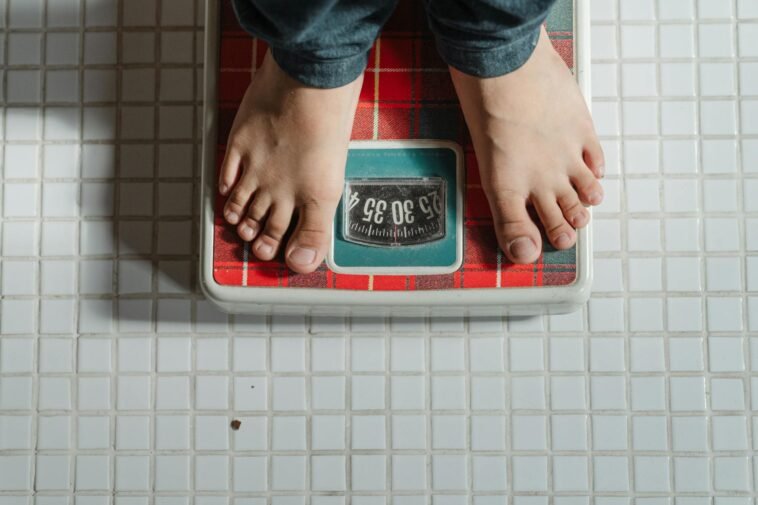
Okay, so my inbox has been absolutely flooded lately with questions about weight-loss jabs. You know, Ozempic, Wegovy, Zepbound — the ones everyone’s talking about. Honestly, I’ve seen some incredible transformations, but I’ve also seen a lot of confusion, and frankly, some misinformation out there. It’s not a magic bullet, and it’s definitely not for everyone. I’ve spent a lot of time digging into the research, chatting with doctors I trust, and even talking to friends who are on these medications, and here’s the thing: new light is really being shed on who benefits most from weight-loss jabs. It’s more nuanced than just wanting to drop a few pounds. We’re talking about specific medical criteria, lifestyle commitments, and a whole lot of communication with your healthcare provider. I want to share my honest thoughts and what I think you really need to know before even considering this path.
📋 In This Article
- Breaking Down the GLP-1s: What They Do (and Don’t Do)
- Who’s Actually Seeing the Best Results? It’s More Than Just a Number
- What to Really Expect When You Start These Jabs
- The Elephant in the Room: Cost and Insurance
- Beyond the Jab: Why Lifestyle is Still the Main Event
- Is This Path Right For YOU? The Doctor’s Office is Your First Stop
- ⭐ Pro Tips
- ❓ FAQ
Breaking Down the GLP-1s: What They Do (and Don’t Do)
Look, these medications, often called GLP-1 agonists, they’re not some new fad diet pill. They’ve been around for a while for Type 2 diabetes management, but their weight-loss effects were a happy ‘side effect’ that doctors noticed. We’re talking about drugs like semaglutide (Wegovy for weight loss, Ozempic for diabetes) and tirzepatide (Zepbound for weight loss, Mounjaro for diabetes). They work by mimicking a hormone your body already makes, which basically tells your brain you’re full, slows down how fast food leaves your stomach, and can even improve insulin sensitivity. It’s pretty powerful stuff. But here’s the kicker: they don’t do the work for you. You still have to put in the effort with your food choices and movement. Trust me, I’ve seen people think they can just jab and eat whatever, and that’s just not how it works long-term. And honestly, it’s not sustainable or healthy.
Not a Magic Bullet, Seriously
I can’t stress this enough: these aren’t a shortcut around healthy habits. They’re a tool, a really effective one for the right people, but a tool nonetheless. You still need to learn about portion control, nutrient density, and how to build a sustainable exercise routine. If you go back to old habits when you stop, the weight will likely come back. It’s a long-term commitment, often for life, and that’s a big deal.
The Science Behind the Hunger Control
So, what’s happening inside? These meds basically tell your body, ‘Hey, we’re good on food for a bit.’ They activate receptors in your brain that regulate appetite, making you feel full faster and for longer. Plus, they slow gastric emptying, meaning food stays in your stomach longer. That’s why you often hear people say they just ‘don’t think about food’ anymore. For someone who’s constantly battling hunger cues, this can be truly life-changing, quietening that ‘food noise’ some of us know all too well.
Related Reading
Who’s Actually Seeing the Best Results? It’s More Than Just a Number
Okay, so who benefits most from weight-loss jabs? It’s not just about wanting to fit into a smaller dress size. The current guidelines generally point to individuals with a Body Mass Index (BMI) of 30 or higher, or a BMI of 27 or higher if you also have a weight-related health condition. We’re talking about things like Type 2 diabetes, high blood pressure, sleep apnea, or high cholesterol. My friend Mark, for example, had a BMI of 32 and struggled with pre-diabetes for years. He tried everything – diets, trainers, even therapy – but nothing stuck. For him, starting Wegovy in late 2025 was a turning point. He’s dropped 18% of his body weight in six months, and his blood sugar numbers are fantastic. It’s not just about the scale for him; it’s about reversing those health risks. That’s the real benefit here, improving overall health, not just aesthetics.
BMI Thresholds and Medical Necessity
Your doctor will look at your BMI first. If it’s under 27, it’s highly unlikely these medications will be prescribed, and honestly, they probably aren’t the right path for you. These are serious medications for serious medical conditions. They’re not for someone looking to shed a few vanity pounds before summer. It’s really important to respect the medical guidelines here and understand why they exist.
Beyond the Scale: Improving Health Markers
This is where I get really excited about these meds for the right people. We’re not just talking about weight loss; we’re talking about significant improvements in blood pressure, cholesterol levels, blood sugar control, and even reducing inflammation. Sarah, another friend, found her sleep apnea dramatically improved after losing 15% of her weight on Zepbound. These are tangible, life-extending benefits, not just superficial ones. It’s about adding years to your life and life to your years, you know?
What to Really Expect When You Start These Jabs
Alright, let’s get real about what happens when you actually start. First off, it’s a weekly injection. Don’t freak out; the needles are tiny, like insulin needles. You’ll typically start on a super low dose and slowly titrate up over several months. This slow increase is crucial for managing side effects. And oh boy, there can be side effects. The most common ones I hear about are nausea, constipation, and sometimes a bit of fatigue. My buddy Dave said the first few weeks on Ozempic felt like a mild hangover, but it definitely got better as his body adjusted. It’s not a walk in the park for everyone, but most people find the side effects lessen over time or become manageable. You’ll likely notice a rapid decrease in appetite within the first week or two, and then the weight loss slowly starts, averaging about 1-2 pounds per week for many, especially in the beginning. It’s a marathon, not a sprint.
Sarah started Zepbound in late 2025 and described the first month as a bit ‘rough.’ She had mild nausea, especially after eating fatty foods, and she felt tired. But she stuck with it, talked to her doctor about managing it, and by month two, when her dose increased slightly, the nausea had mostly subsided. She found eating smaller, blander meals helped a ton. It’s all about listening to your body and communicating with your doctor.
Common Side Effects & How to Manage Them
The big ones are nausea, vomiting, diarrhea, and constipation. To combat nausea, try eating smaller, frequent meals, avoid greasy or overly sweet foods, and stay hydrated. For constipation, boost your fiber intake and drink plenty of water. Your doctor might even suggest an over-the-counter laxative if it gets bad. Headaches can happen too, so make sure you’re drinking enough water. These usually improve as your body adjusts, but if they’re severe or persistent, absolutely call your doctor.
The Elephant in the Room: Cost and Insurance
Okay, let’s talk about the price tag, because it’s a huge factor for many. These medications are expensive. Without insurance, you’re looking at roughly $1,000 to $1,600 USD per month, depending on the specific drug and your pharmacy. That’s a lot of money, and it’s a real barrier for many people who could genuinely benefit. Insurance coverage is a total maze. Some plans cover it, especially if you meet the specific medical criteria (BMI + co-morbidities) and have a history of trying other weight-loss methods. Other plans consider it ‘cosmetic’ or ‘lifestyle’ and won’t cover a dime. It’s infuriating, honestly, because for many, it’s absolutely medically necessary. You’ll need to do some serious homework with your insurance provider and your doctor’s office.
Sticker Shock is Real: Out-of-Pocket Costs
If your insurance doesn’t cover it, or only covers a small portion, be prepared for a hefty bill. Manufacturers sometimes offer savings cards or patient assistance programs, which can bring the cost down by a few hundred dollars, but it’s still a significant monthly expense. For example, a Zepbound savings card might knock $150-$500 off, but you’re still looking at $500-$1000+ out of pocket. That’s just the reality right now.
Cracking the Insurance Code
This is where your doctor’s office becomes your best friend. They often have dedicated staff who understand the prior authorization process. You’ll likely need to show a history of trying and failing other weight-loss interventions, plus clear documentation of your BMI and any related health conditions. It’s a bureaucratic nightmare, but persistence pays off. Don’t give up after the first ‘no’ from your insurer; there’s often an appeals process.
Beyond the Jab: Why Lifestyle is Still the Main Event
Here’s the real talk: taking a weekly injection doesn’t magically make you healthy. It gives you a powerful assist, but you still need to be the MVP of your own health journey. I’ve seen people lose a ton of weight on these meds, but if they’re not also focusing on nutrient-dense foods and regular movement, they’re missing a huge piece of the puzzle. The weight might come off, but you won’t feel truly energized or strong. This is your chance to build those sustainable habits that will serve you well for the rest of your life, whether you’re on the medication or not. Think of it as an opportunity to reset your relationship with food and exercise, without the constant battle against hunger. It’s a powerful opportunity, really.
Protein Power & Hydration Hacks
Because your appetite is suppressed, it’s easy to not eat enough, especially protein. Aim for 80-100 grams of protein daily from lean sources like chicken, fish, eggs, and legumes. This helps preserve muscle mass. And water! So important. Set reminders to drink throughout the day, especially if you’re experiencing any GI side effects. Dehydration can make you feel awful.
Moving Your Body (Even When You Don’t Feel Like It)
You don’t need to suddenly become a gym rat. Start small. A 20-minute walk after dinner, taking the stairs, parking further away. As you lose weight, you’ll likely feel more energetic anyway. Incorporating some strength training (even just bodyweight exercises at home) is crucial for maintaining muscle, which supports your metabolism. Don’t underestimate the power of consistent, gentle movement.
Is This Path Right For YOU? The Doctor’s Office is Your First Stop
So, after all this, you might be thinking, ‘Is this for me?’ And honestly, I can’t answer that. Only your doctor can. This isn’t a decision to take lightly. You need to have a really open, honest conversation with your healthcare provider about your medical history, your current health status, and your weight-loss goals. Be prepared to discuss what you’ve tried in the past, your lifestyle habits, and any concerns you have about the medication. They’ll assess if you meet the criteria, discuss potential risks versus benefits, and help you navigate the insurance landscape. Don’t just show up asking for a prescription; show up ready to discuss your health comprehensively. This is a partnership, and you’re an active participant.
Having That Honest Conversation with Your Doctor
Write down all your questions before your appointment. Be upfront about your struggles with weight and what you’re hoping to achieve. Ask about the specific medication they recommend, the side effects, and what kind of support they offer (dietitians, follow-ups). A good doctor will discuss the long-term implications and ensure you understand it’s part of a broader health plan, not a quick fix.
Thinking Long-Term: Maintenance and Beyond
This isn’t a short-term thing. For many, these medications are a long-term, possibly lifelong, treatment. What happens if you stop? Most people regain a significant portion of the weight. So, you need to think about maintenance from day one. How will you sustain healthy habits? What’s your plan for continued medical oversight? These are big questions that require thoughtful answers and ongoing commitment.
⭐ Pro Tips
- Always start with the lowest dose and titrate up slowly. Pushing it too fast will increase side effects unnecessarily.
- Check manufacturer savings cards directly on their websites (e.g., Zepbound.com, Wegovy.com). They can save you hundreds, even if your insurance doesn’t cover the full cost.
- Inject in your thigh or upper arm, not just your stomach. Rotating injection sites can help prevent irritation and bruising.
- Don’t try to ‘power through’ severe nausea or vomiting. Call your doctor. They might need to adjust your dose or offer anti-nausea medication.
- Focus on protein first at every meal. It helps with satiety and muscle preservation, which is key for long-term success.
Frequently Asked Questions
How much weight can you expect to lose on weight-loss jabs?
Most people can expect to lose 15-20% of their body weight over 1-1.5 years on medications like Wegovy or Zepbound, sometimes more. It varies by individual, but those are common averages.
How much do weight-loss injections cost per month?
Without insurance, weight-loss injections typically cost between $1,000 and $1,600 USD per month. With good insurance coverage and a savings card, it might drop to $25-$500 monthly, but it’s highly variable.
Is it worth taking weight-loss injections?
For individuals meeting the medical criteria (high BMI with or without co-morbidities) who’ve struggled with other methods, yes, it can be absolutely worth it. It can significantly improve health markers and quality of life.
What’s the best weight-loss jab for fast results?
There’s no ‘best’ for fast results; they all work similarly. Zepbound (tirzepatide) has shown slightly higher average weight loss in trials compared to Wegovy (semaglutide), but both are highly effective tools when used correctly.
How long do you have to take weight-loss injections?
For most people, weight-loss injections are a long-term, potentially lifelong, treatment. If you stop, weight regain is very common, so it’s often viewed as a chronic disease management medication.
Final Thoughts
So, that’s my honest take on who benefits most from weight-loss jabs and what you can realistically expect. These medications are powerful, effective tools for the right individuals – those with a significant amount of weight to lose and often, co-existing health conditions. They’re not a quick fix for vanity pounds, and they absolutely require a strong commitment to lifestyle changes alongside the medication. If you’re considering this path, please, please talk to your doctor. Have a frank discussion about your health, your history, and your goals. Ask about the side effects, the cost, and the long-term plan. This isn’t a journey to take alone or lightly. But for many, it’s a legitimate, medically supported option that can truly transform health and improve quality of life. It’s about finding what works for *you* and doing it safely.


GIPHY App Key not set. Please check settings