



 Xplorely
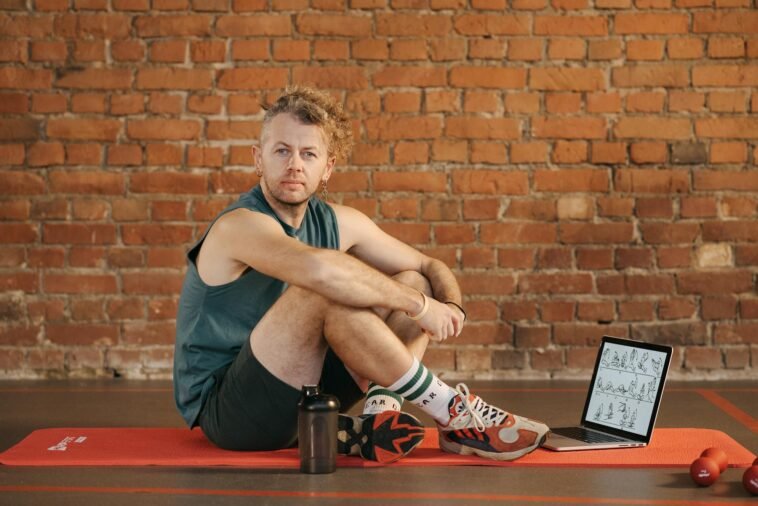
Okay, so I’ve probably downloaded every single workout app under the sun since 2020. Seriously, my phone storage has taken a beating. And honestly, most of them? Total duds. Overpriced, repetitive, or just plain boring. But after years of trial and error, and trying to find the best workout apps 2026 has to offer, I’ve actually found a few gems that I stick with. Whether you’re trying to save some cash or you’re ready to invest in your fitness, I’ve got you covered. This isn’t some list pulled from a press release; this is my real-world experience, sweat, and all. I’ll tell you what actually delivers and what’s just clever marketing. Let’s get into it.
📋 In This Article
- For the Budget-Conscious: My Favorite Free Workout Apps
- When You’re Ready to Invest: My Top Paid Workout Apps
- My Dark Horse Pick: CENTR by Chris Hemsworth
- What About the Hype? Apps I’ve Tried That Didn’t Stick
- Choosing Your Perfect Fit: What I Look For in a Workout App
- The Future of Fitness Apps: What I’m Seeing in 2026
- My Final Thoughts: Don’t Overthink It, Just Move
- ⭐ Pro Tips
- ❓ FAQ
For the Budget-Conscious: My Favorite Free Workout Apps
Look, I get it. Gym memberships are expensive, and sometimes you just need to get moving without another monthly bill. And you know what? There are some seriously good free options out there, even in 2026. You don’t always need to shell out big bucks for effective workouts. I’ve used these myself, especially when I’m traveling or just need a quick, no-fuss session. They’re fantastic for beginners, but even seasoned pros can find value in their diverse libraries. The key is knowing which ones actually provide quality instruction and programming, not just a bunch of random videos. Trust me, I’ve wasted enough time sifting through the duds so you don’t have to. Just remember, free doesn’t always mean less effective, it just means you might not get all the bells and whistles of the paid tiers. But for a quick sweat? They’re unbeatable. Always check with your doctor before starting any new exercise program, especially if you have existing health conditions.
Nike Training Club (NTC) – Still a Champion
Even in 2026, Nike Training Club is still my go-to for free workouts. They just keep adding content! You get access to hundreds of on-demand classes, from strength training and yoga to HIIT and endurance. I’m talking actual structured programs here, not just one-off videos. I’ve personally used their ‘Strong Start’ program a few times when I needed to get back into a routine after a break, and it’s solid. The trainers are great, the instruction is clear, and the variety is insane. You don’t need any special equipment for most of it, which is a huge plus. And it’s completely free, no catches, no hidden fees unless you opt for their premium paid content, which honestly, you don’t really need to.
YouTube – The OG Free Fitness Library
Okay, so maybe not an ‘app’ in the traditional sense, but the YouTube app on your phone is an absolute goldmine for free workouts. Seriously, it’s where I discovered some of my favorite trainers. Channels like FitnessBlender (for really structured, no-nonsense strength and cardio) and Caroline Girvan (for brutal, effective dumbbell workouts) are still delivering top-tier content in 2026. I still go back to their videos all the time. You just need to know who to follow. The downside? No structured programs really, and you might get some ads, but for pure variety and accessibility, you can’t beat it. Just search for ‘dumbbell workout no repeats’ or ’30 minute HIIT’ and you’ll find endless options.
Related Reading
When You’re Ready to Invest: My Top Paid Workout Apps
Alright, if you’re serious about your fitness and you’ve got a little budget, some paid apps are absolutely worth the money. They offer things free apps usually can’t: more personalized programming, better tracking, and often, a more immersive experience. I’ve subscribed to a few over the years, and the ones I’m still paying for in April 2026 are the ones that consistently deliver. We’re talking about apps that can replace a gym membership for many people, especially if you’re working out from home. They provide structure, motivation, and a real sense of progress. But here’s the thing: you gotta use them! A subscription sitting unused is just throwing money away, right? So, pick one that genuinely excites you and commit to it. And always, always check with your doctor before starting any new routine.
Peloton App (No Bike Needed!) – More Than Just Spin
Hear me out: you don’t need a Peloton bike or treadmill to get immense value from the Peloton App. I’ve been a subscriber for years, and even when I’m not on my bike, I’m using it for strength, yoga, meditation, and outdoor running. In 2026, it’s still one of the best for sheer variety and quality instruction. The instructors are incredibly motivating, and the classes are consistently challenging and fun. A digital-only membership is around $12.99 USD per month, and for that, you get thousands of live and on-demand classes. I love their strength programs – they’ve really upped their game there. It’s truly comprehensive fitness.
Apple Fitness+ – Seamless Integration for Apple Users
If you’re already deep in the Apple ecosystem (iPhone, Apple Watch, iPad, Apple TV), Apple Fitness+ is a no-brainer. It’s about $9.99 USD per month or part of the Apple One Premier bundle. I love how seamlessly it integrates with my Apple Watch, displaying my metrics right on the screen during the workout. The trainers are diverse, and the workouts range from HIIT and strength to Pilates and mindful cooldowns. They’re constantly adding new content, including themed collections and guest trainers. I particularly like their ‘Time to Walk’ and ‘Time to Run’ episodes – great for getting in some cardio with an inspiring story. It’s incredibly user-friendly and feels very polished.
My Dark Horse Pick: CENTR by Chris Hemsworth
Okay, so this one might surprise some people, but Centr, Chris Hemsworth’s app, has really impressed me. When it first launched, I was a bit skeptical, thinking it’d be all fluff and celebrity endorsement. But I gave it a try last year, and honestly, it’s legit. It’s around $29.99 USD per month, but they often have quarterly or annual discounts that make it more palatable (like $119.99 for a year, which is about $9.99 a month). What I love about it is the holistic approach – not just workouts, but meal plans, mindfulness, and sleep guidance. The workouts are well-structured, challenging, and varied, featuring different trainers. I’ve found their meal plans surprisingly useful, too. It’s a great option if you want a complete wellness package, not just a workout library. You know, for when you’re trying to feel like Thor, even just a little bit. Always, always, check with your doctor before diving into new meal plans or intense routines.
Structured Programs That Actually Work
Centr really shines with its structured programs. You don’t just pick a random workout; you choose a goal (like ‘Muscle Building’ or ‘Weight Loss’) and it gives you a week-by-week plan. I’ve completed their ‘Centr Power’ program and saw real gains. It removes the guesswork, which is a huge plus for me when I’m tired and just want to be told what to do. The progression feels natural, and the workouts are filmed really well, making it easy to follow along. They also offer different intensity levels, so you can scale it to your current fitness level, which is smart design.
Beyond Workouts: Meal Planning & Mindfulness
This is where Centr differentiates itself for me. The app includes daily meal plans tailored to your dietary preferences (vegetarian, pescatarian, regular, etc.) and calorie goals. I’ve found some genuinely delicious and easy recipes through it. And the mindfulness and meditation sessions are a nice touch, too. It’s not just about sweating; it’s about overall well-being. If you’re someone who struggles with nutrition planning or wants to incorporate more mindfulness into your day, this could be a really valuable tool. It’s a true all-in-one platform for health, and I appreciate that comprehensive approach.
What About the Hype? Apps I’ve Tried That Didn’t Stick
Okay, real talk for a sec. Not every popular app lives up to the buzz, and I’ve certainly fallen for some of the hype over the years. I’ve tried a few that just didn’t click for me, or felt like they were overpromising and under-delivering. It doesn’t mean they’re bad apps for everyone, but for my personal fitness goals and preferences, they just didn’t cut it. Sometimes it’s the interface, sometimes it’s the repetition, and sometimes it’s just that the community aspect felt forced. It’s important to be honest about what works for you and what doesn’t, instead of just following the crowd. My biggest disappointment was probably with an app that promised ‘AI-powered personalized workouts’ but just felt like a randomized playlist of generic exercises. You know the type. Save your money, seriously.
Sweat App (Kayla Itsines’ Programs) – A Bit Repetitive For Me
The Sweat app (around $19.99 USD per month) was HUGE a few years back, and I definitely jumped on that bandwagon. I completed a few rounds of BBG (Bikini Body Guide) back in the day, and it was effective for building a base. But after a while, I found the workouts really repetitive. The structure didn’t change much, and I got bored. Plus, it’s pretty heavily focused on bodyweight circuits, which is fine, but I crave more variety in my strength training now. If you love that specific style, it might still work for you, but I moved on to apps with more diverse programming and heavier lifting options.
Fitbod – Great Concept, But Not My Style
Fitbod (around $12.99 USD per month) is an app that generates personalized strength workouts based on your equipment, goals, and previous sessions. The idea is fantastic – it tries to prevent overtraining specific muscle groups and suggests new exercises. I used it for a few months, and it definitely helped me try new movements. But for me, I missed the guided instruction and motivation of a real human trainer. I found myself just scrolling through the exercises rather than feeling truly engaged. If you’re self-motivated and just need a smart program generator, it could be perfect. But if you thrive on instructor energy, you might find it a bit dry.
Choosing Your Perfect Fit: What I Look For in a Workout App
So, with all these options, how do you actually pick the right one? It’s not just about the price tag, trust me. I’ve learned that what works for your best friend might not work for you, and that’s totally fine. When I’m evaluating a new app, I look for a few key things that make or break the experience. It needs to fit into my life, motivate me, and actually help me reach my goals. Otherwise, what’s the point? Think about your own preferences before you commit to anything, especially if it’s a paid subscription. Most paid apps offer a free trial, so definitely take advantage of those before you hand over your credit card details. And, you know the drill: check with your doctor before kicking off any new fitness routine.
Variety & Progression – Avoiding Boredom is Key
For me, variety is absolutely crucial. If an app only offers one type of workout or the same few exercises week after week, I’m out. I need options: strength, cardio, yoga, Pilates, stretching. And I need to feel like I’m progressing. The best apps offer structured programs that build on previous workouts, increasing intensity or introducing new movements. This keeps things interesting and ensures you’re actually getting stronger or fitter, not just doing the same thing over and over. Boredom is the quickest way to fall off the wagon, right?
Instructor Quality & Motivation – It Makes a Difference
Honestly, the quality of the instructors can make or break a workout app. I want trainers who are knowledgeable, motivating, and have good energy. I need someone who can explain proper form clearly (to avoid injuries, obviously!) and keep me engaged, even when I’m struggling. Some apps have amazing, charismatic instructors who genuinely make you want to push harder. Others… well, they just read from a script. Try out different instructors during a free trial to find someone whose style resonates with you. It truly makes a difference in your consistency.
The Future of Fitness Apps: What I’m Seeing in 2026
It’s April 2026, and the fitness app world is still evolving, which is pretty exciting. I’m seeing a couple of trends that I think will only get stronger. First, more integration with smart wearables beyond just Apple Watch. We’re talking more seamless data flow with things like Oura Rings, Whoop bands, and even smart clothing. That personalized feedback loop is getting tighter. Second, I’m noticing a push towards more niche, specialized apps. Think apps dedicated solely to pre- and post-natal fitness, or hyper-specific strength programs for powerlifting, or even apps integrating VR/AR for truly immersive experiences. It’s less about being a generalist and more about excelling in a specific area. I think this is great because it means more tailored options for everyone. Keep an eye out, because I bet we’ll see even more innovation by next year. And, as always, run any new intense routine by your doctor.
Hyper-Personalization Driven by Wearables
The biggest trend I’m tracking is how apps are using data from wearables to personalize workouts. It’s not just about tracking calories anymore. We’re seeing apps that adjust your workout recommendations based on your sleep quality, heart rate variability, or even recovery scores from your Oura Ring or Whoop. Imagine an app telling you, ‘Hey, your HRV is a bit low today, maybe try a restorative yoga session instead of that heavy lift.’ That’s where we’re headed, and it’s fantastic for optimizing training and preventing burnout. The more data, the smarter the recommendations, right?
Niche & Specialized Offerings
Gone are the days when every app tried to be everything to everyone. In 2026, I’m noticing a strong move towards specialization. We have apps exclusively for running training, like Stryd for power-based running, or apps focused purely on mobility and flexibility. This is brilliant because it means you can find an app that perfectly aligns with a very specific goal or need. If you’re training for a marathon, you can get a dedicated running coach app. If you’re trying to improve your squat depth, there are apps focusing just on mobility drills. It’s a more targeted approach, and I think it leads to better results for users.
My Final Thoughts: Don’t Overthink It, Just Move
Honestly, the best workout app in 2026 isn’t some super high-tech, expensive thing. It’s the one you actually use. It’s the one that gets you off the couch and moving your body consistently. Whether it’s a free YouTube video or a premium subscription, consistency is the real secret sauce. I’ve seen too many people spend hours researching, downloading, and then never actually doing a workout. Don’t be that person! Pick one that looks interesting, try it out, and if it doesn’t click, try another. Your fitness journey is personal, and finding the right digital companion can make a huge difference. Just make sure you’re having fun, staying safe, and always, always checking in with your doctor about your fitness plans.
Start with a Free Trial (Seriously)
This is my number one piece of advice for paid apps: USE THE FREE TRIAL. Most major apps offer at least a 7-day free trial, some even 14 or 30 days. Don’t just sign up blindly. Test out a few different workouts, check the interface, see if the instructors resonate with you. I always set a calendar reminder to cancel a day before the trial ends, just in case. It saves you from accidentally getting charged for something you might not even like. Seriously, it’s the smartest way to shop for an app.
Listen to Your Body (and Your Doctor)
No matter which app you choose, remember to listen to your body. Apps are great guides, but they don’t know your specific aches, pains, or limitations. If something feels off, stop. Modify. Rest. And this is probably the most important thing I can say: always, always check with your doctor before starting any new fitness routine, especially if you have underlying health conditions or haven’t been active in a while. They can provide personalized advice and ensure you’re working out safely. Your health comes first, always.
⭐ Pro Tips
- Most paid apps like Peloton App or Centr offer annual subscriptions at a significant discount; often saving you 20-30% compared to monthly payments. Check their websites!
- If you have an Apple Watch, definitely try Apple Fitness+. The integration is unbeatable, and you might already be paying for it if you have an Apple One Premier subscription.
- For free strength training, focus on YouTube channels like Caroline Girvan. Her programs are structured, intense, and require minimal equipment (usually just dumbbells).
- Don’t fall for apps that promise ’30 days to a six-pack’ – real fitness is a marathon, not a sprint. Look for sustainable programs.
- The one thing that made the biggest difference for me was finding instructors I genuinely liked. Their energy can seriously motivate you on days you just don’t feel like it.
Frequently Asked Questions
Which workout app is best for beginners in 2026?
For beginners, Nike Training Club (NTC) is fantastic and free. It has structured programs, clear instruction, and a wide variety of workouts with modifications. Apple Fitness+ is also great if you’re an Apple user, very user-friendly.
How much do paid workout apps cost per month in 2026?
Paid workout apps generally range from $9.99 USD to $29.99 USD per month. Apps like Apple Fitness+ are around $9.99, Peloton Digital is $12.99, and comprehensive platforms like Centr can be up to $29.99, though annual plans offer discounts.
Are free workout apps actually effective for building muscle?
Yes, absolutely! Free apps like Nike Training Club or dedicated YouTube channels (e.g., Caroline Girvan) offer excellent strength training. You just need to be consistent and follow progressive overload principles. They’re definitely worth it.
What’s the best workout app for weight loss in 2026?
Centr is my top pick for weight loss because it combines effective workouts with comprehensive meal planning and mindfulness tools, which is crucial for sustainable results. Peloton App also has great cardio and strength for calorie burning.
How long should I try a workout app before committing to a subscription?
I recommend trying an app for the full duration of its free trial, usually 7 to 14 days. This gives you enough time to experience different workout types, instructors, and features before you decide if it’s the right fit for your long-term goals.
Final Thoughts
So, there you have it – my unfiltered take on the best workout apps 2026 has to offer, both free and paid. My biggest advice? Don’t get paralyzed by choice. Pick one, commit to it for a few weeks, and see how you feel. Whether you go with the free power of Nike Training Club or invest in the comprehensive guidance of Centr, the most important step is just starting. Get moving, listen to your body, and don’t forget to chat with your doctor before you really kick things into high gear. Your future self will thank you for it, trust me.


GIPHY App Key not set. Please check settings