



 Xplorely
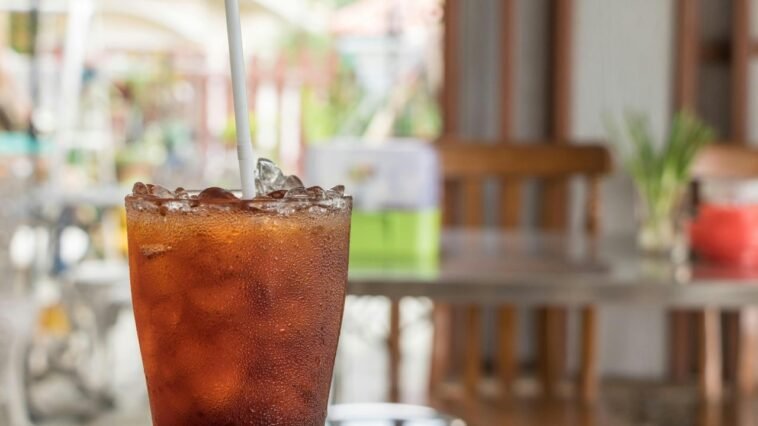
Okay, so let’s talk about something that’s probably in your fridge right now: diet soda. For years, I was that person, reaching for a Coke Zero thinking I was making the ‘healthy’ choice to cut calories. I mean, the idea that artificially-sweetened drinks help promote weight loss feels almost too good to be true, right? Zero calories, all the flavor? Sign me up! But after years of trying to figure out what actually works for sustainable health and talking with my own doctor, I’ve got some thoughts. My journey with these drinks has been a bit of a rollercoaster, from thinking they were a magic bullet to realizing they’re more of a stepping stone. Trust me, I’ve been there, sipping a Diet Pepsi while trying to shed a few pounds, and I’m ready to share what I’ve learned, the good, the bad, and the slightly confusing.
📋 In This Article
- Are Diet Drinks Really a ‘Free Pass’ for Weight Loss?
- The Science (and Skepticism) Behind Artificial Sweeteners Today
- Why Water Is Still the Undisputed Champion for Your Health
- Making the Switch: Practical Steps I Took to Cut Down
- Realistic Expectations: What Artificially Sweetened Drinks Can (and Can’t) Do
- Budgeting Your Beverages: Cost Comparison & Smart Swaps
- ⭐ Pro Tips
- ❓ FAQ
Are Diet Drinks Really a ‘Free Pass’ for Weight Loss?
For a long time, the prevailing thought was, ‘calories in, calories out,’ so if you swap a 150-calorie regular soda for a zero-calorie diet version, you’re automatically saving calories and therefore, losing weight. And honestly, for me, in the short term, that *did* seem to be the case. When I first started cutting out my daily full-sugar Coke — sometimes two a day, I’m not proud — and switched to Diet Coke, I definitely saw a dip on the scale. We’re talking about saving 300 calories a day just from that one swap, which over a week is a significant deficit. That’s why many believe artificially-sweetened drinks help promote weight loss. But here’s the thing: it wasn’t a sustainable solution on its own. It felt like I was tricking my body, and sometimes, that ‘trick’ would backfire. I’d find myself craving other sweets later, almost like my brain knew it was missing something. My GP, Dr. Anya Sharma, always reminded me that these are tools, not solutions, and we need to look at the bigger picture.
My Personal Swap: From Full-Sugar to Zero
I used to drink about two cans of regular Coca-Cola daily, which is around 300 calories and 80g of sugar. Switching to Coke Zero or Pepsi Max was an easy first step. I didn’t miss the sugar taste as much as I thought I would. This initial swap saved me about 2,100 calories a week. For me, that’s what jumpstarted a 5-pound weight loss over a couple of months, just from that change alone. It felt like a win, even if it wasn’t the final destination.
The ‘Compensatory Eating’ Trap
This is where it gets tricky. Some research, and my own experience, suggests that tasting something sweet without the associated calories can actually make you crave *more* sweet foods later. It’s like your body gets confused. You’re giving it the taste signal for sugar, but no actual sugar arrives, so it keeps sending hunger signals. I definitely noticed this, especially with baked goods or chocolate. It’s a real thing, and it’s why these aren’t a magic bullet.
Related Reading
The Science (and Skepticism) Behind Artificial Sweeteners Today
Okay, so the science on artificial sweeteners is still… evolving. Back in 2020, there was a lot of buzz, and by 2026, we’ve got even more studies popping up. Some show no negative effects, some hint at changes to gut bacteria, and others suggest a link to increased appetite or even type 2 diabetes over long periods. It’s a confusing mess, honestly. My doctor told me to think of it this way: a little bit of anything isn’t usually an issue, but consistent, high intake of *anything* processed might have unforeseen consequences. We’re talking about things like aspartame, sucralose (Splenda), saccharin, and stevia-based sweeteners. The jury’s still out on their long-term impact, especially regarding gut microbiome health, which is a huge topic right now. I’m always checking with my doctor about new findings, and her advice is usually, ‘everything in moderation, and when in doubt, choose whole foods and water.’
Aspartame and Sucralose: Friend or Foe?
Aspartame (found in Diet Coke) and sucralose (Splenda) are two of the most common. While regulatory bodies like the FDA and EFSA still deem them safe for consumption within acceptable daily intake levels, there’s always that lingering question. I personally try to limit my intake, maybe one diet drink a week now, down from daily. I’ve noticed I just feel better when I’m not consuming them frequently.
Stevia and Monk Fruit: The ‘Natural’ Alternatives
These have gained popularity because they’re derived from plants, making them seem ‘healthier.’ Products like Truvia or PureVia use stevia extracts. I’ve found that some brands of sparkling water, like Bubly, use no sweeteners at all, relying on natural flavors, which I prefer. If I do reach for a sweetened drink, I’ll lean towards one with stevia or monk fruit, but I still treat it like a treat, not a staple. They still trick your taste buds, you know?
Why Water Is Still the Undisputed Champion for Your Health
Look, I get it. Water can be boring. Especially when you’re used to the fizz and flavor of soda. But real talk, nothing, and I mean *nothing*, beats plain old water for hydration and overall health. When it comes to weight management, water is your best friend. It has zero calories, zero weird chemicals, and it actually helps your body function properly. I aim for at least 2.5 to 3 liters (around 85-100 fluid ounces) a day. I keep a 1-liter Stanley Quencher FlowState Tumbler (around $45-50 USD at Target or Amazon) with me constantly. It reminds me to drink, and honestly, seeing it empty by midday makes me feel accomplished. Staying hydrated helps with satiety, energy levels, and even keeps your metabolism humming. And when I’m properly hydrated, I find I crave sugary things way less.
The Satiety Secret: How Water Fills You Up
Before you reach for a snack or another diet soda, try drinking a big glass of water. Seriously. Often, what we perceive as hunger is actually thirst. I started doing this a few years ago, drinking 500ml (about 16 fl oz) of water 20 minutes before meals, and it genuinely helped me eat less. It’s a simple, free trick that actually works for weight management.
Flavoring Water Without the Fake Stuff
If plain water is just too bland for you, there are easy ways to make it more appealing without artificial sweeteners. I love adding slices of cucumber and mint to my water pitcher. Or lemon and lime. Sometimes I’ll throw in some frozen berries – they chill the water and add a subtle sweetness as they defrost. You can also try sparkling water with a splash of real fruit juice (like a tablespoon of cranberry juice, which is minimal calories but adds flavor). Brands like LaCroix or Bubly (around $4.99-$6.99 USD for a 12-pack) are great because they’re just carbonated water with natural essences, no sweeteners at all.
Making the Switch: Practical Steps I Took to Cut Down
Transitioning from daily diet soda to mostly water wasn’t an overnight thing for me. It took conscious effort and a few strategic swaps. I didn’t just go cold turkey; that never works for me with anything, honestly. My approach was gradual, replacing one diet drink with water or a naturally flavored sparkling water each week. For example, if I usually had a Diet Coke with lunch and dinner, I’d make my lunch drink water, and keep the Diet Coke with dinner for a week. Then the next week, I’d swap the dinner drink too. It’s about building habits slowly. I also found that having a variety of water bottles (different sizes, different colors) made it more fun. Yeah, I’m easily amused, but it worked! And checking in with my doctor about my progress kept me accountable.
My ‘Ladder Down’ Method
I started by identifying my trigger times – usually with meals. If I typically had a diet drink with breakfast, lunch, and dinner, I’d pick one meal a week to swap it for water. So, Monday lunch, water. Then Tuesday lunch, water. By the end of the first week, I was having water with lunch every day. The next week, I’d add dinner. It took about a month to significantly reduce my intake, and it felt manageable.
Finding Your Sparkling Water Happy Place
This was key for me. The fizz was a big part of the appeal of soda. I tried so many different sparkling waters. My favorites are Topo Chico (it’s got a great mineral taste, about $2.00-$2.50 USD a bottle) and the aforementioned LaCroix or Bubly. Experiment with different brands and flavors. Some people love the hint of lime, others prefer plain. It’s about finding what you actually enjoy drinking consistently.
Realistic Expectations: What Artificially Sweetened Drinks Can (and Can’t) Do
So, here’s the real talk: artificially-sweetened drinks *can* be a useful tool if you’re trying to reduce sugar and calorie intake, especially if you’re a heavy soda drinker. They can help promote weight loss as a temporary bridge. But they are not a magic bullet for sustained, healthy weight loss. They won’t magically melt fat, and they won’t replace a balanced diet and regular exercise. I’ve seen too many people, myself included, rely on them too heavily, thinking they’re doing enough, only to be disappointed. It’s like using training wheels on a bike; they help you get started, but eventually, you’ve got to take them off and learn to ride on your own. My doctor always says, ‘Focus on nutrient-dense foods and movement first. Drinks are secondary.’
The ‘Diet Drink Halo’ Effect
This is a real psychological trap. You feel like you’ve made a ‘healthy’ choice by opting for a diet drink, so you might subconsciously allow yourself to eat more calories elsewhere. Like, ‘Oh, I had a Diet Coke, so I can have that extra cookie.’ I’ve totally done it. Be mindful of this. The calories saved in your drink can quickly be negated if you’re not paying attention to your food choices.
Long-Term Health Beyond the Scale
Weight loss is just one aspect of health. We also need to consider gut health, metabolic health, and nutrient intake. While artificially-sweetened drinks might help with the scale, they don’t contribute any nutrients, and as I mentioned, the long-term effects on the gut microbiome are still being studied. For overall wellness, prioritizing water and whole, unprocessed foods is always going to be the superior choice. Always check with your doctor if you have concerns about your diet.
Budgeting Your Beverages: Cost Comparison & Smart Swaps
Let’s talk money, because health often has a price tag, right? Regular soda and diet soda can actually be pretty similar in cost, but they add up quickly. A 12-pack of Coke Zero or Diet Pepsi usually runs about $6.99-$8.99 USD at my local supermarket, like Walmart or Kroger. If you’re drinking two a day, that’s roughly $1.50 per can, or $45 a month, just on diet soda. That’s a significant chunk of change! Compare that to a good quality water filter pitcher, like a Brita Longlast filter pitcher (around $35-40 USD, with filters costing about $15-20 every six months), and the savings are huge. Or even a SodaStream Fizzi machine (about $99 USD for the starter kit, with CO2 refills costing around $15-20). Making your own sparkling water is way cheaper in the long run. I got a SodaStream a couple of years ago, and it’s paid for itself multiple times over.
The True Cost of Daily Diet Soda
If you buy individual cans or bottles from a convenience store, you could be spending $2-$3 per drink. That’s $60-$90 a month! Switching to a 12-pack brings it down, but it’s still an ongoing expense. I realized I was spending over $500 a year on diet soda. That money could go towards healthy groceries, a gym membership, or even a nice pair of running shoes.
Investing in Hydration: My Top Picks
Beyond the Brita pitcher, I swear by my reusable water bottles. My Stanley Quencher is fantastic, but I also love my Hydro Flask (around $35-50 USD depending on size) for keeping water ice cold all day. If you like sparkling water, a SodaStream is a brilliant investment. You can flavor your homemade sparkling water with real fruit slices or a tiny splash of juice, making it much healthier and cheaper than store-bought options.
⭐ Pro Tips
- Start by replacing just ONE diet drink a day with plain or naturally flavored sparkling water. Do this for a week before swapping another. Gradual changes stick.
- Invest in a good quality reusable water bottle, like a Stanley Quencher or Hydro Flask. They keep water cold for hours and make it more appealing to drink. I save about $40 a month not buying bottled water.
- If you crave fizz, get a SodaStream. The initial $99 USD investment pays for itself quickly, and CO2 refills are cheap. You control the flavor (or lack thereof).
- Add actual fruit slices (lemon, lime, cucumber, berries) to your water pitcher overnight. It infuses a subtle, natural flavor without any artificial sweeteners.
- Don’t go cold turkey if you’re a heavy soda drinker. That’s a recipe for failure, trust me. Use diet drinks as a temporary stepping stone, not a permanent solution.
Frequently Asked Questions
Are artificially sweetened drinks actually bad for you?
The science is still mixed. For most people, occasional consumption within recommended limits is likely fine. But for long-term health, especially gut health, water is always superior. Check with your doctor if you have concerns.
How much money can I save by switching from diet soda to water?
If you drink two diet sodas a day at $1.50 each, you’re spending about $90 a month. Switching to tap water (filtered or not) can save you over $1000 a year, easily.
Is it better to drink diet soda or regular soda for weight loss?
For immediate calorie reduction, diet soda is ‘better’ than regular soda for weight loss. But neither is ideal for long-term health. Water is best, always. Diet soda is a bridge, not a destination.
What are the best healthy alternatives to diet soda?
Plain water, sparkling water (LaCroix, Bubly) with no sweeteners, herbal teas (iced or hot), or water infused with real fruit and vegetables are your best bets. I love my SodaStream for homemade fizzy water.
How long does it take to stop craving diet soda?
It varies, but for me, reducing intake gradually over 3-4 weeks significantly reduced my cravings. After about 2 months of mostly water, I barely thought about diet soda anymore. Consistency is key.
Final Thoughts
So, here’s my take: while artificially-sweetened drinks help promote weight loss by cutting calories initially, they are absolutely not a long-term solution. They can be a helpful tool, a stepping stone away from sugary drinks, but they come with their own set of question marks, especially for gut health and potential compensatory eating. My advice? Use them strategically, if you must, but always with the goal of transitioning to water. Nothing beats plain, pure water for hydration, satiety, and overall well-being. Start small, swap one drink at a time, and listen to your body. And always, always check with your doctor about what’s best for your individual health journey. Your body will thank you for choosing the real deal.




GIPHY App Key not set. Please check settings