



 Xplorely
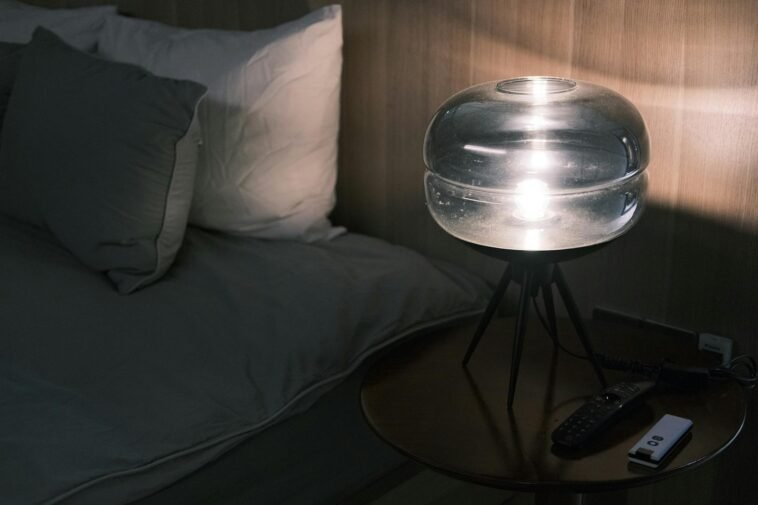
Okay, real talk. For years, my sleep was a mess. I’d scroll my phone way too late, then toss and turn, feeling wired even when I was exhausted. It was a vicious cycle, you know? I tried everything – meditation apps, fancy teas, even those weighted blankets everyone raves about. Some helped a little, but nothing truly *moved the needle* until I stumbled into the world of light therapy, specifically, the humble amber light bulb. This isn’t some woo-woo trend; it’s science, and it’s been a total game-changer for me. I mean, I’m talking about actually waking up feeling refreshed, not like I’d fought a bear all night. If you’re tired of being tired, trust me, this amber light bulb guide is for you.
📋 In This Article
- Why Your Regular Lights Are Screwing Up Your Sleep (and Mine Too)
- My Exact Amber Light Setup: Where and What I Use
- Amber Bulb Showdown: My Top Picks (and What to Avoid)
- Beyond Bulbs: Other Sleep-Boosting Light Hacks I Swear By
- The ‘Don’t Do This’ List: Common Mistakes I See All the Time
- Realistic Expectations & When to Chat with Your Doctor
- ⭐ Pro Tips
- ❓ FAQ
Why Your Regular Lights Are Screwing Up Your Sleep (and Mine Too)
Look, we all know blue light is bad for sleep, right? But do we *really* get how bad? For ages, I just thought, ‘Oh, I’ll put my phone down an hour before bed.’ Ha! As if that was enough. The truth is, most of our indoor lighting – from overhead fixtures to desk lamps – blasts us with a significant amount of blue light, even if it looks ‘warm white.’ This isn’t just about screens. It’s about your entire environment after sunset. Your body, cleverly, interprets that blue light as daylight, which tells your brain to stop producing melatonin, that crucial hormone that signals it’s time to wind down. My own ‘aha!’ moment came when I realized I was fighting against my biology every single night, just by keeping my regular lights on. It was a total facepalm moment.
My ‘Aha!’ Moment with Blue Light
I was reading a study, back in 2023 actually, about how even dim room lights with blue wavelengths could suppress melatonin by over 50%. Fifty percent! That’s when I thought, ‘Okay, this isn’t just about my phone anymore.’ I was literally bathing in melatonin-killing light for hours before bed without even realizing it. That’s when the deep dive into amber light bulbs started for me.
The Science (Simplified): Melatonin and Circadian Rhythms
Here’s the deal: your body has an internal clock, your circadian rhythm, that’s heavily influenced by light. Bright, blue-rich light in the morning tells you to wake up. Darkness and red/amber light in the evening tell you to wind down. Melatonin is the key player here. It starts rising a couple of hours before your natural bedtime. When you expose yourself to blue light during this crucial window, you’re essentially hitting the ‘pause’ button on melatonin production. Amber light, on the other hand, filters out those melatonin-suppressing blue wavelengths, letting your body do its thing naturally.
Related Reading
My Exact Amber Light Setup: Where and What I Use
Okay, so you’re convinced, right? Now for the practical stuff: what do I actually use? I’ve been refining my setup for a few years, and by April 2026, I’ve got it pretty dialed in. It’s not about turning your house into a cave – though sometimes I wish I could! It’s about strategic placement. My rule of thumb: any light source I’ll be exposed to after 8 PM gets an amber bulb. This includes my bedroom, obviously, but also the living room where I relax and the bathroom for those late-night trips. You don’t need to replace *every* bulb, just the ones in your wind-down zone. And honestly, it doesn’t look as weird as you might think. It creates a really cozy, warm glow that’s actually quite inviting.
My Bedroom Setup: Soft Amber All the Way
In my bedroom, I’ve got two bedside lamps fitted with Philips WarmGlow E27 7W LED bulbs (which are equivalent to a 60W incandescent). They run about £8-£10 each here in the UK. The WarmGlow tech means as you dim them, the light gets even warmer, almost reddish. It’s fantastic. I also have one in my main overhead fixture, but I rarely turn that on after sunset, preferring the softer lamp light.
Living Room & Bathroom: Strategic Amber Zones
For the living room, I use a couple of Sylvania A19 9W LED bulbs (60W equivalent) in table lamps. These are a true amber, not just ‘warm white,’ and they cost around $7 USD each on Amazon. In the bathroom, I keep a low-wattage (4W) amber night light plugged in, and if I need more light, I actually use a small clip-on book light with an amber filter for tasks. No harsh overhead light for late-night toothbrushing, trust me.
Amber Bulb Showdown: My Top Picks (and What to Avoid)
Over the years, I’ve bought so many ‘amber’ or ‘warm’ bulbs that turned out to be just regular warm white. Frustrating, right? So, I’ve narrowed down my favorites based on actual blue light blocking and overall quality. It’s not just about the color temperature (Kelvin) — you’re really looking for bulbs that specifically filter out wavelengths below 550nm. Some brands are way better at this than others. And honestly, sometimes the cheapest option isn’t the best here because they might still let too much blue through. You’re investing in your sleep, so a little extra cash for a truly effective bulb is worth it.
My Top Pick: Philips WarmGlow LED (and why it wins)
The Philips WarmGlow series, particularly their E27/E26 7W-9W dimmable options, are my absolute favorites. They start at a warm 2700K and dim down to a super cozy 2200K or even 1800K, which is fantastic for melatonin production. I’ve seen them for around $10-$15 CAD in Canada, depending on the retailer. They’re consistently good at cutting blue light, and the quality is excellent.
Budget-Friendly Option: GE Relax HD Soft White (with a caveat)
If you’re on a tighter budget, the GE Relax HD Soft White LED bulbs (around $5 USD a bulb) are *okay* for a start. They’re not true amber, but they’re significantly better than standard daylight or cool white bulbs. The caveat? They still let some blue light through, so they’re not as effective as a dedicated amber bulb. Think of them as a stepping stone. They’re widely available at places like Walmart or Tesco.
Beyond Bulbs: Other Sleep-Boosting Light Hacks I Swear By
Okay, so you’ve got your amber bulbs. Awesome! But it’s not just about what’s *in* your lamps. It’s about your whole light environment. I’ve found a few other things that really amplify the effects of the amber lights. Think of it as creating a complete ‘sleep sanctuary’ with light. It’s about being intentional with *all* your light exposure, not just what you screw into a socket. And some of these are surprisingly simple, but they make a huge difference in how quickly I can actually fall asleep and stay asleep.
Sunset Simulation Lamps: Worth the Splurge?
I’ve tried a couple of these, like the Philips SmartSleep Wake-up Light (the HF3520 model is still great in 2026, usually around $120 AUD). It gradually dims amber/red light in the evening to simulate a sunset. Honestly, I love it. It’s a gentle, consistent way to tell your body it’s time to chill. For me, it’s worth the investment, especially if you struggle with consistent wind-down routines.
Blackout Curtains: Non-Negotiable, Seriously
This might seem obvious, but you’d be surprised how many people overlook it. Even tiny cracks of light from streetlights or dawn creeping in can disrupt your sleep cycles. I use thick, thermal blackout curtains – they’re great for keeping out light *and* regulating temperature. I picked up a set from IKEA (the ANNAKASSA model, about £35) that does the job perfectly. Total game-changer for staying asleep through the early morning light.
The ‘Don’t Do This’ List: Common Mistakes I See All the Time
Alright, so you’re ready to make the switch. That’s fantastic! But before you go full amber, let’s talk about some common missteps I’ve seen, and definitely made myself. It’s not just about buying the bulbs; it’s about how you *use* them and what other habits you’re clinging to. Because even the best amber light setup won’t magically fix everything if you’re still blasting your eyes with a tablet an hour before bed. Getting this right is about consistency, and avoiding these traps will save you a lot of frustration, trust me.
Mistake #1: Not Starting Early Enough
A big one! Don’t wait until you’re already brushing your teeth to switch to amber lights. Your body needs a good 2-3 hours of reduced blue light exposure before bed to really get that melatonin flowing. I aim to switch over by 8 PM, even if I’m not planning to sleep until 10:30 or 11 PM. That long wind-down period is crucial.
Mistake #2: Forgetting Your Phone Screen (and TV!)
This is probably the hardest habit to break. Amber bulbs in your lamps are great, but if you’re still glued to your phone, tablet, or a bright TV screen, you’re undermining all your efforts. Use your phone’s ‘Night Shift’ or ‘Eye Comfort Shield’ setting (usually around 2700K or warmer) and turn down the brightness. For TVs, some smart TVs now have low blue light modes, or you can get a screen overlay filter. Consistency across *all* light sources is key.
Realistic Expectations & When to Chat with Your Doctor
So, you’ve got the bulbs, you’re making the changes. What can you actually expect? Well, this isn’t a magic pill. You won’t flip a switch and suddenly have perfect sleep tonight. It’s a gradual process, but a really effective one. I noticed subtle improvements within a week – feeling a bit calmer in the evenings, falling asleep a little faster. After a month? That’s when I really felt the difference, waking up feeling truly rested more often than not. But here’s the thing: while amber lighting is a powerful tool, it’s not a cure-all for every sleep issue. Sometimes, there’s more going on, and it’s important to recognize that.
How Long Till You Feel It? My Timeline
For me, the first noticeable shift was feeling less ‘wired’ in the evenings, probably within 3-5 days. Actually falling asleep faster and getting *deeper* sleep took about 2-3 weeks of consistent use. After a month, it felt like my new normal. Stick with it for at least a few weeks before you decide if it’s working for you.
When to Talk to Your Doctor (It’s Not a Magic Bullet)
Look, amber lights are amazing for optimizing your natural sleep cycle, but if you’re experiencing severe insomnia, excessive daytime sleepiness, or you suspect something else is going on, please, please check with your doctor. Sleep apnea, restless leg syndrome, or underlying health conditions can seriously mess with your sleep, and a light bulb won’t fix those. This is a powerful tool, but it’s part of a bigger picture of health.
⭐ Pro Tips
- Always look for bulbs explicitly stating ‘low blue light’ or ‘amber’ rather than just ‘warm white.’ Check the Kelvin rating; aim for 2200K or lower for true sleep-friendly light.
- Don’t buy dedicated ‘sleep’ bulbs if they’re super expensive. Many regular amber-colored LEDs (like those for decorative purposes) work just as well and cost under $10 USD.
- Start your amber light routine at least 2.5 hours before your desired bedtime. This gives your body ample time to kickstart melatonin production without blue light interference.
- A common mistake: forgetting your bathroom light. Replace it with a low-wattage amber bulb or use a red/amber nightlight for late-night trips to avoid a jolt of blue light.
- The biggest difference for me wasn’t just the bulbs, but also getting a smart dimmer switch for my bedroom lamps. Gradually dimming the amber lights to almost nothing before bed is pure magic.
Frequently Asked Questions
Are amber light bulbs really better for sleep?
Yes, absolutely. Amber light bulbs filter out blue wavelengths that suppress melatonin, helping your body naturally prepare for sleep. It’s a science-backed way to support your circadian rhythm.
How much do amber light bulbs cost?
Prices vary, but good quality amber LED bulbs typically range from $7 to $15 USD each. You can find multi-packs for better value, sometimes bringing the cost down to $5 per bulb.
Is amber light actually worth it for better sleep?
In my opinion, 100% yes. For the relatively low cost of a few bulbs, the improvement in sleep quality and ease of falling asleep is incredibly significant. It’s one of the best investments I’ve made.
What’s the best alternative to amber light bulbs?
If you can’t get amber bulbs, using smart bulbs that dim to very warm (1800K-2200K) red/orange tones is a good alternative. Otherwise, simply using very low-wattage incandescent bulbs can help, but they still emit some blue light.
How long does it take for amber light to work for sleep?
You might feel calmer in the evenings within a few days. For significant improvements in falling asleep faster and deeper sleep, give it 2-3 weeks of consistent use before evaluating the results.
Final Thoughts
So, there you have it – my full rundown on why and how I use amber light bulbs to sleep better. It’s not a flashy trend; it’s a simple, effective change based on how our bodies actually work. If you’re struggling with sleep, I genuinely encourage you to give this a try. Start with just one or two bulbs in your main evening hang-out spots, replace your bedside lamps, and commit to a consistent wind-down routine. You might be surprised at how much difference a little bit of light can make. And remember, as always, if you have persistent sleep issues, have a chat with your doctor. But for optimizing your natural sleep, amber lights are seriously worth it.




GIPHY App Key not set. Please check settings