



 Xplorely
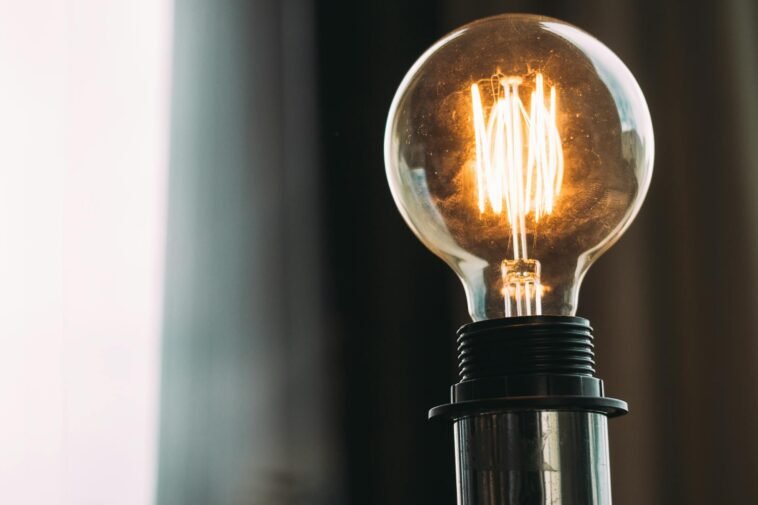
Okay, so for years, I was that person who’d scroll on my phone until midnight, then wonder why my brain just wouldn’t shut off. My sleep was a mess, honestly. I’d tried everything from fancy teas to weighted blankets, but nothing really clicked until I got serious about my lighting. And trust me, it wasn’t some complicated tech setup. It all came down to a simple change: using an amber light bulb. This isn’t just about dimming the lights; it’s about changing the *color* of the light, specifically ditching that harsh blue spectrum that messes with your melatonin. I’m going to walk you through the exact amber light bulb guide I follow in my own home, what I use, and why it makes such a difference for me. It’s shockingly simple, yet so effective.
📋 In This Article
- Why That Bright White Light is Sabotaging Your Sleep (and Mine)
- What Kind of Amber Light Bulb I Actually Use (Specifics, Not Guesswork)
- When to Flip the Switch: Timing is Everything for Your Circadian Rhythm
- Beyond Bulbs: My Other Secret Weapons for Blue Light Protection
- What’s Overhyped and What’s a Waste of Money (My Honest Take)
- Realistic Expectations: It’s Not a Magic Bullet, But It’s Powerful
- My Home Lighting Plan: Where to Put What
- ⭐ Pro Tips
- ❓ FAQ
Why That Bright White Light is Sabotaging Your Sleep (and Mine)
Look, we’re all pretty glued to screens these days, right? Phones, tablets, TVs, laptops. And then you’ve got your regular overhead lights, usually those bright white or cool-toned LEDs. Here’s the thing: all that stuff blasts you with blue light. And while blue light is awesome during the day for staying alert and focused, it’s an absolute nightmare for your sleep when the sun goes down. Your body actually thinks it’s still daytime when it detects blue light, which means it slows down or even stops producing melatonin, the hormone that tells your body it’s time to get sleepy. I used to think I was just ‘bad at sleeping,’ but it turns out I was actively telling my brain to stay awake with every bright bulb and screen in my house. Once I figured that out, everything changed. It’s a simple biological switch we’ve messed up with modern lighting.
The Melatonin Mess-Up: What Blue Light Really Does
So, your body’s circadian rhythm, that internal 24-hour clock, is super sensitive to light. When your eyes pick up blue wavelengths, especially after sunset, it sends a signal to your brain that says, ‘Hey, it’s still daytime! Stay awake!’ This directly inhibits melatonin production. Melatonin isn’t just for sleep; it’s also a powerful antioxidant. So, when you’re messing with your melatonin, you’re not just losing sleep, you’re potentially impacting other aspects of your health. It’s a bigger deal than most people realize, honestly.
My ‘Aha!’ Moment: Realizing the Problem
For years, I’d have my bright kitchen lights on while making dinner at 8 PM, then move to the living room with its equally bright overheads to watch TV, and finally, my phone in bed. I’d feel wired, even when I was exhausted. My ‘aha!’ moment came when I read about hunter-gatherer societies and how they’d only have firelight after dark. That soft, warm glow is naturally low in blue light. It made me realize how far we’ve strayed from what our bodies are designed for. I knew I couldn’t live by candlelight, but I could definitely replicate that warm glow.
Related Reading
What Kind of Amber Light Bulb I Actually Use (Specifics, Not Guesswork)
Okay, so when I say ‘amber light bulb,’ I don’t mean just any ‘warm white’ bulb. That’s a common mistake, and trust me, I made it too initially. Many ‘warm white’ LEDs still emit a decent amount of blue light, even if they look yellow-ish. What you want is a bulb that’s *specifically* designed to block blue light, or one with a very low Kelvin temperature — think 1800K to 2200K. My go-to brands are often those marketed for ‘sleep’ or ‘circadian rhythm,’ like BonCharge (formerly BluBlox) or some of the specialty bulbs you can find online. I’ve also had decent luck with just plain old ‘bug light’ bulbs from the hardware store in a pinch, but they’re not always as effective at totally eliminating blue light. I’ve found the dedicated amber ones are worth the slightly higher price tag. They really do feel different.
My Living Room & Bedroom Setup: BonCharge & Philips Hue
In my living room, I’ve got a couple of BonCharge Amber Sleep Light Bulbs (E27 base, 9W LED, around $25 USD each). They emit virtually no blue or green light, which is key. Then, in my bedroom, I actually use Philips Hue smart bulbs. While they’re pricier (a starter kit with 3 bulbs can be $120-$150 USD), I can set them to a very deep amber (1800K) and dim them way down. This gives me flexibility, which I appreciate. It’s nice to have options, you know?
Kitchen & Bathroom: The ‘Bug Light’ Hack (with a Caveat)
For areas like the kitchen or bathroom where I only need light for a few minutes after dark, I’ve used those cheap ‘bug light’ bulbs you can get at Home Depot or Bunnings. They’re typically around $5-$8 USD each. They’re yellow, which is better than bright white, but they don’t block *all* blue light. I use them sparingly, just for quick tasks. I don’t linger in these rooms once these lights are on. It’s a compromise, but a practical one for areas where dedicated amber bulbs might feel overkill or too dim for specific tasks.
When to Flip the Switch: Timing is Everything for Your Circadian Rhythm
It’s not just *what* light you use, but *when* you use it. This is crucial. My rule of thumb is to switch to amber lights — or at least significantly dim and warm up my smart lights — about 2-3 hours before I plan to go to bed. So, if I want to be asleep by 10 PM, those amber lights are coming on around 7 PM or 7:30 PM. This gives my body ample time to start ramping up melatonin production naturally. It’s like a gentle signal to my brain that the day is winding down. You wouldn’t expect to fall asleep instantly if you ran a marathon right before bed, right? It’s the same principle here; your body needs a winding-down period, and light plays a huge role in that. Honestly, this timing aspect was a real game-changer for me. Consistency is key.
My Evening Wind-Down Routine with Amber Lights
Around 7 PM, I’ll switch on my BonCharge bulbs in the living room. All overhead lights go off. If I’m reading, it’s under a low-wattage amber lamp. If I’m watching TV, I’ll put blue-blocking glasses on (more on that later!). In the bedroom, my Philips Hue lights are already set to dim, warm amber on a timer, so they slowly fade on around 7:30 PM. It creates this incredibly calm, cozy atmosphere that just *feels* right for sleep. It really does make a difference for my brain.
The ‘No Bright Lights After Dark’ Rule
This rule is non-negotiable for me now. If I absolutely *have* to use a bright light for something specific, like finding a lost earring or dealing with a plumbing issue, it’s quick, and then I’m back to amber. I also avoid turning on bright bathroom lights if I get up in the middle of the night. A small nightlight with a red or amber glow is all I’ll use. Seriously, even a quick burst of bright light can set your melatonin production back. You’ve got to be strict with it.
Beyond Bulbs: My Other Secret Weapons for Blue Light Protection
Okay, so the amber light bulbs are foundational, but they’re not the *only* thing I do. Because let’s be real, sometimes you can’t control all the light sources. What about your phone? Your computer? The TV? That’s where blue-blocking glasses come in. I’ve tried a few brands over the years, and I’ve settled on some that actually work. They look a bit goofy, sure, but who cares when you’re getting amazing sleep? I also use software on my devices to minimize blue light, but glasses are crucial for any light that’s not coming from my carefully curated amber bulbs. It’s about creating a comprehensive blue-light-free zone in the evenings.
My Favorite Blue-Blocking Glasses: Swannies & BonCharge
I own a pair of Swannies Sleep glasses (around $69-$89 USD) and a pair from BonCharge (similar price point). Both have strong amber or red lenses that effectively block blue and even some green light. I put these on as soon as the sun starts to set, or at least 2-3 hours before bed if I’m going to be looking at screens or in rooms with non-amber lighting. They make a noticeable difference in how quickly I feel ready for sleep. They look a bit silly, but they work.
Software Solutions: F.lux & Night Shift
For my computer, I use F.lux (it’s free!). It automatically adjusts the color temperature of my screen based on the time of day, making it warmer as evening approaches. On my iPhone, I use the built-in Night Shift feature, setting it to the warmest possible setting and having it come on automatically. While these aren’t as powerful as dedicated blue-blocking glasses, they definitely help reduce the blue light onslaught. Every little bit counts, you know?
What’s Overhyped and What’s a Waste of Money (My Honest Take)
Real talk: the wellness industry loves to sell you ‘solutions.’ And while some are great, others are just… fluff. When it comes to lighting for sleep, I’ve seen a lot of things that just don’t deliver. Those ‘blue light blocking’ screen protectors for your phone? Honestly, I don’t think they do enough. You still get a ton of blue light through them, and they mess with the screen’s clarity. You’re better off with Night Shift/F.lux and, more importantly, blue-blocking glasses. Also, don’t fall for bulbs that claim to be ‘sleep-friendly’ but are still 2700K ‘warm white.’ That’s not amber enough. You need to be looking for 2200K or lower, or explicitly ‘blue-light-free’ claims. Do your research, or you’ll just be wasting your cash.
The ‘Warm White’ Deception: Not All Yellow Is Amber
Many standard ‘warm white’ LED bulbs are around 2700K-3000K. While they *look* warmer than 5000K daylight bulbs, they still emit a significant amount of blue light. For true blue light blocking, you need bulbs in the 1800K-2200K range, which appear distinctly amber or orange. If a bulb doesn’t specify its Kelvin temperature or explicitly state ‘blue light free,’ assume it’s not going to cut it for optimal sleep. It’s a subtle but important distinction.
Why Screen Protectors Aren’t Enough
I tried a few blue-light-blocking screen protectors for my phone and laptop. My experience? They barely made a dent. The amount of blue light that still comes through is significant enough to disrupt melatonin. Plus, they often make your screen look dull or grainy, which is annoying. Save your money there. Invest in a good pair of blue-blocking glasses and use your device’s built-in software features instead. That’s a much more effective strategy, in my opinion.
Realistic Expectations: It’s Not a Magic Bullet, But It’s Powerful
Okay, so let’s be real. Switching to amber lights isn’t going to instantly cure a decade of insomnia if you’ve got other major sleep hygiene issues. It’s not a magic bullet. But here’s what I *can* tell you: for me, it’s been one of the most consistently effective tools in my sleep toolkit. It creates an environment that *supports* healthy sleep. Your body still needs other things: a cool, dark room, a consistent sleep schedule, and maybe even some stress management. But removing the blue light obstacle? That’s a huge step. Think of it as laying the groundwork for truly restorative sleep. It makes everything else you do for sleep *more* effective. If you’re struggling, it’s absolutely worth trying, just check with your doctor first if you have underlying health conditions.
The Cumulative Effect: Amber Light Plus Other Good Habits
Amber light works best when combined with other smart sleep habits. I make sure my bedroom is pitch black, I keep the thermostat around 18°C (65°F), and I try to go to bed and wake up around the same time every day, even on weekends. Adding amber lights to this routine just amplified everything. It’s like putting premium fuel in a well-tuned engine. Don’t expect miracles if you’re still drinking coffee at 9 PM or working out intensely right before bed, though.
What to Expect in the First Few Weeks
When I first switched, I noticed a difference within a few nights. I felt calmer in the evenings, and getting sleepy felt more natural, less forced. Don’t expect to suddenly sleep 10 hours if you’re used to 5. But you might find yourself falling asleep faster, waking less often, and feeling more refreshed in the morning. Give it at least 2-3 weeks of consistent use to really gauge the impact. It’s a gradual shift, not an overnight transformation, but it’s totally worth it.
My Home Lighting Plan: Where to Put What
So, how do you actually implement this in your home without turning it into a cave? It’s all about strategic placement. You don’t need amber bulbs in every single fixture. Focus on the areas where you spend your evenings. For me, that’s the living room, my bedroom, and maybe a small lamp in the hallway. I keep my kitchen and bathroom with regular lights during the day, but after sunset, it’s strictly amber or very dim, quick use of the regular lights. It’s about creating zones and being intentional with your light exposure. Think about your evening flow — where do you typically hang out, read, or relax before bed? Those are your priority spots. It’s a gradual shift, not an all-or-nothing thing from day one. Start small, see what works.
Living Room: Your Primary Evening Zone
This is where I spend most of my wind-down time. I’ve replaced the main overhead bulbs with my amber ones. I also have a couple of floor lamps with amber bulbs. This creates a soft, inviting glow that’s perfect for reading, chatting, or watching TV (with my blue blockers on, of course). It feels cozy, not dim or depressing. This is the first place I recommend people start, as it makes the biggest impact on your evening exposure.
Bedroom: Your Sleep Sanctuary
In the bedroom, I use my Philips Hue bulbs set to deep amber and very low brightness. I avoid overhead lights entirely here. Just bedside lamps. If I need to read in bed, it’s with a clip-on amber reading light. The goal is to make the bedroom a signal for sleep the moment I walk in. No bright lights, ever. This also helps if I need to get up to use the bathroom; the very dim amber doesn’t shock my system.
⭐ Pro Tips
- Invest in 2-3 dedicated amber bulbs (like BonCharge or BlockBlueLight) for your main evening living space. They cost around $25-$35 USD each but are worth it.
- Don’t replace *all* your bulbs. Focus on your living room and bedroom lamps first. You can get cheap ‘bug light’ bulbs for quick-use areas like hallways for about $5-$8 USD.
- Set a firm ‘amber light’ time, like 2-3 hours before bed, and stick to it daily. Consistency is more important than perfect adherence every single night.
- A common mistake is thinking ‘warm white’ LEDs (2700K) are good enough. They’re not. Look for bulbs specifically labeled ‘blue light blocking’ or with a Kelvin rating of 2200K or lower.
- The single biggest difference for me was combining amber bulbs with dedicated blue-blocking glasses for any screen time after sunset. It’s a one-two punch.
Frequently Asked Questions
What kind of amber light bulb is best for sleep?
The best amber light bulbs for sleep are those specifically designed to block blue and green light, typically rated 1800K-2200K. Brands like BonCharge or BlockBlueLight are good choices. Avoid standard ‘warm white’ (2700K) bulbs.
How much do amber light bulbs cost?
Dedicated blue-blocking amber LED bulbs usually cost $20-$35 USD each. Smart bulbs with amber settings can be $30-$50 USD. Cheaper ‘bug light’ amber bulbs are around $5-$8 USD but aren’t as effective at blocking all blue light.
Is amber light actually worth it for sleep?
Yes, absolutely! For me, it’s been one of the most effective and noticeable changes for improving my sleep quality. It helps your body naturally produce melatonin, leading to a calmer wind-down and faster sleep onset. It’s definitely worth the investment.
What’s a good alternative to amber light bulbs?
The best alternative is wearing blue-blocking glasses (like Swannies or BonCharge) when exposed to any non-amber light after sunset. You can also use software like F.lux or Night Shift on devices, but they’re less effective than glasses or true amber bulbs.
How long before bed should I use amber lights?
You should switch to amber lights or put on blue-blocking glasses about 2-3 hours before your desired bedtime. This gives your body enough time to start producing melatonin naturally, signaling to your brain that it’s time to prepare for sleep.
Final Thoughts
So, there you have it: my complete amber light bulb guide for better sleep. It’s not rocket science, but it totally changed how I approach my evenings and, more importantly, how I sleep. Ditching that harsh blue light and embracing warm, amber tones has been a game-changer for my circadian rhythm. Start with a couple of good quality amber bulbs in your main evening hang-out space, set a consistent ‘amber hour,’ and see how you feel after a few weeks. And please, just try the blue-blocking glasses if you’re on screens after dark; they might make you look a little goofy, but the sleep you get is absolutely worth it. Give it a shot, you’ve got nothing to lose but restless nights.


GIPHY App Key not set. Please check settings