



 Xplorely
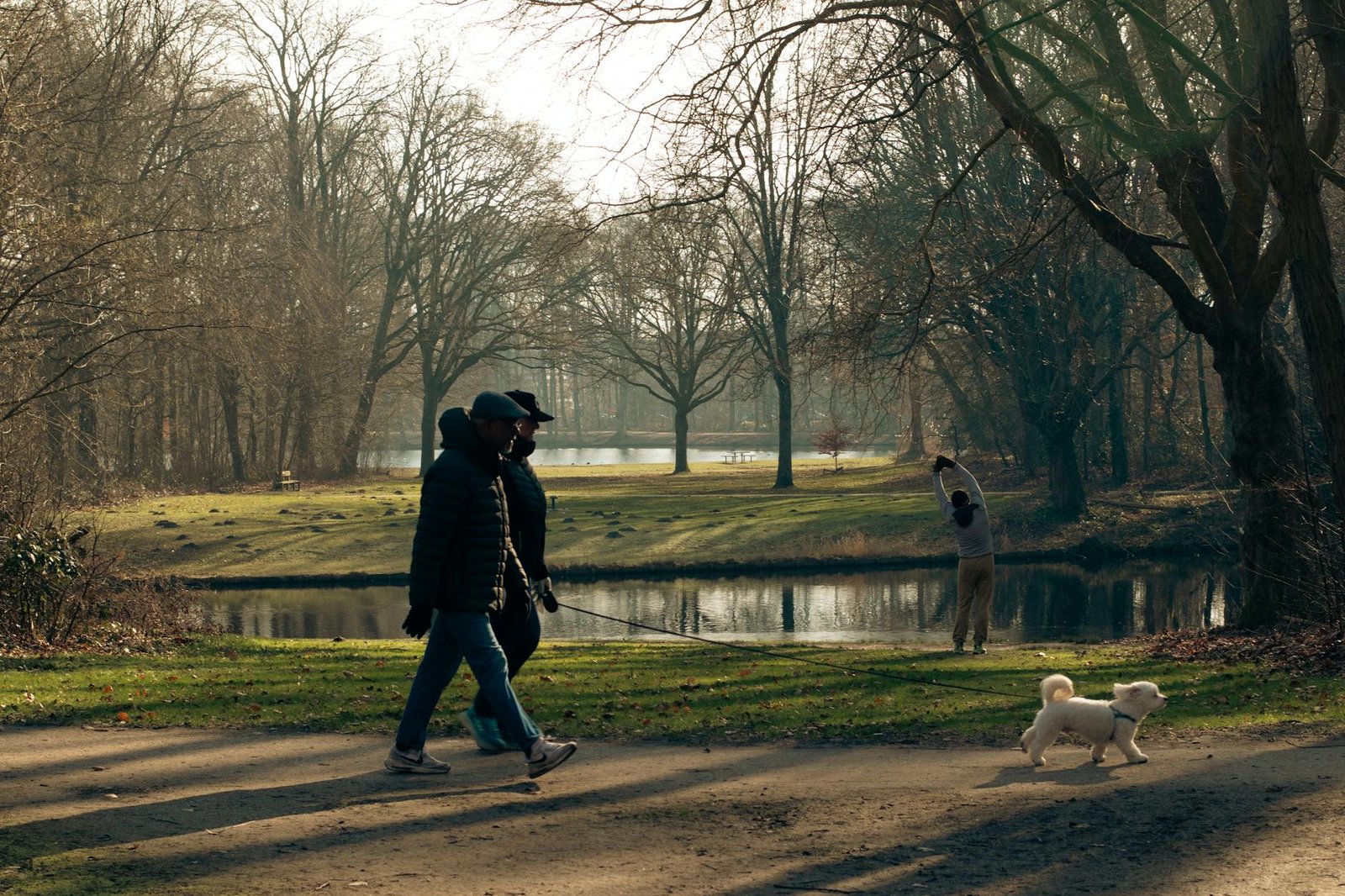
When I first heard that “Japanese walking” was the hottest fitness trend of 2026 – with a mind-blowing 2,986 percent surge in search interest – I figured it was just another TikTok fad that would disappear in two weeks. A month later, I’m eating my words. And sleeping better. And somehow less stressed than I’ve been in years.
Let me explain what this actually is and why it works.
Japanese Walking Isn’t Just “Going for a Walk”
I need to get this out of the way first because it’s what everyone asks. No, Japanese walking is not just regular walking with a fancy name. There are specific elements that make it different, and they matter more than I expected.
The practice draws from shinrin-yoku (forest bathing) and traditional Japanese movement philosophy. It’s about three things: intentional posture, synchronized breathing, and genuine awareness of your surroundings. You walk with a straight spine, roll smoothly from heel to toe, engage your core lightly, and match your breath to your steps.
Sounds simple. It kind of is. But doing all of those things at once while actually paying attention to the world around you turns a boring walk into something that feels almost meditative.

Why Everyone’s Suddenly Obsessed
Timing is everything. We’re collectively burned out on high-intensity everything. HIIT classes, 5 AM gym sessions, “no pain no gain” culture – a lot of people are just done with it. Research published earlier this year showed that 30 minutes of mindful walking can drop cortisol levels by up to 25 percent and improve cardiovascular health markers as effectively as moderate treadmill running. That got people’s attention.
There’s also the nervous system regulation angle. Wellness experts have called nervous system health the defining health priority of 2026, and Japanese walking naturally shifts your body from fight-or-flight mode into rest-and-digest. You can literally feel the switch happening about 15 minutes in – your shoulders drop, your jaw unclenches, your breathing slows down.
What Changed After 30 Days
Week 1: Honestly? It felt weird. Walking slowly and deliberately when my instinct is to power-walk everywhere took some getting used to. I kept catching myself speeding up or zoning out into my phone. By day 4, I left the phone at home and that changed everything.
Week 2: Sleep improved noticeably. I wasn’t tossing around for 45 minutes before falling asleep anymore. My Apple Watch confirmed it – my average sleep score went from 72 to 81. I also noticed I was less reactive to annoying emails at work. Small thing, but it added up.
Week 3: This is when the physical stuff kicked in. My lower back pain (from sitting at a desk all day) was basically gone. My balance felt better. And weirdly, my creative thinking improved – I started having my best ideas during walks instead of staring at a screen.
Week 4: It stopped feeling like an “exercise routine” and just became… something I do. Like brushing my teeth. I genuinely look forward to my morning walk in a way I never looked forward to the gym. My resting heart rate dropped 4 beats per minute over the month, which my doctor said is significant.

How to Start (It Takes 5 Minutes to Learn)
Posture: Stand tall, shoulders relaxed and back. Imagine someone’s gently pulling the top of your head toward the sky. Arms swing naturally – don’t force it.
Breathing: Inhale for 4 steps, exhale for 4 steps. That’s it. Once you’re comfortable, try extending to 6 steps per breath. The rhythm locks in after about 5 minutes and becomes automatic.
Awareness: This is the part that separates it from a regular walk. Actually notice things. The color of the sky. Birds. The texture of the path under your feet. Sounds weird, feels amazing. Let thoughts come and go without grabbing onto them.
Duration: 20 to 30 minutes is the sweet spot. Keep a moderate pace – if you can hold a conversation, you’re good. This isn’t about speed or hitting a step count.
The finish: When you stop, stand still for 30 seconds with your eyes closed. Three deep breaths. Notice how your body feels compared to when you started. This little ritual seals in the benefits and it takes literally half a minute.
The Bottom Line
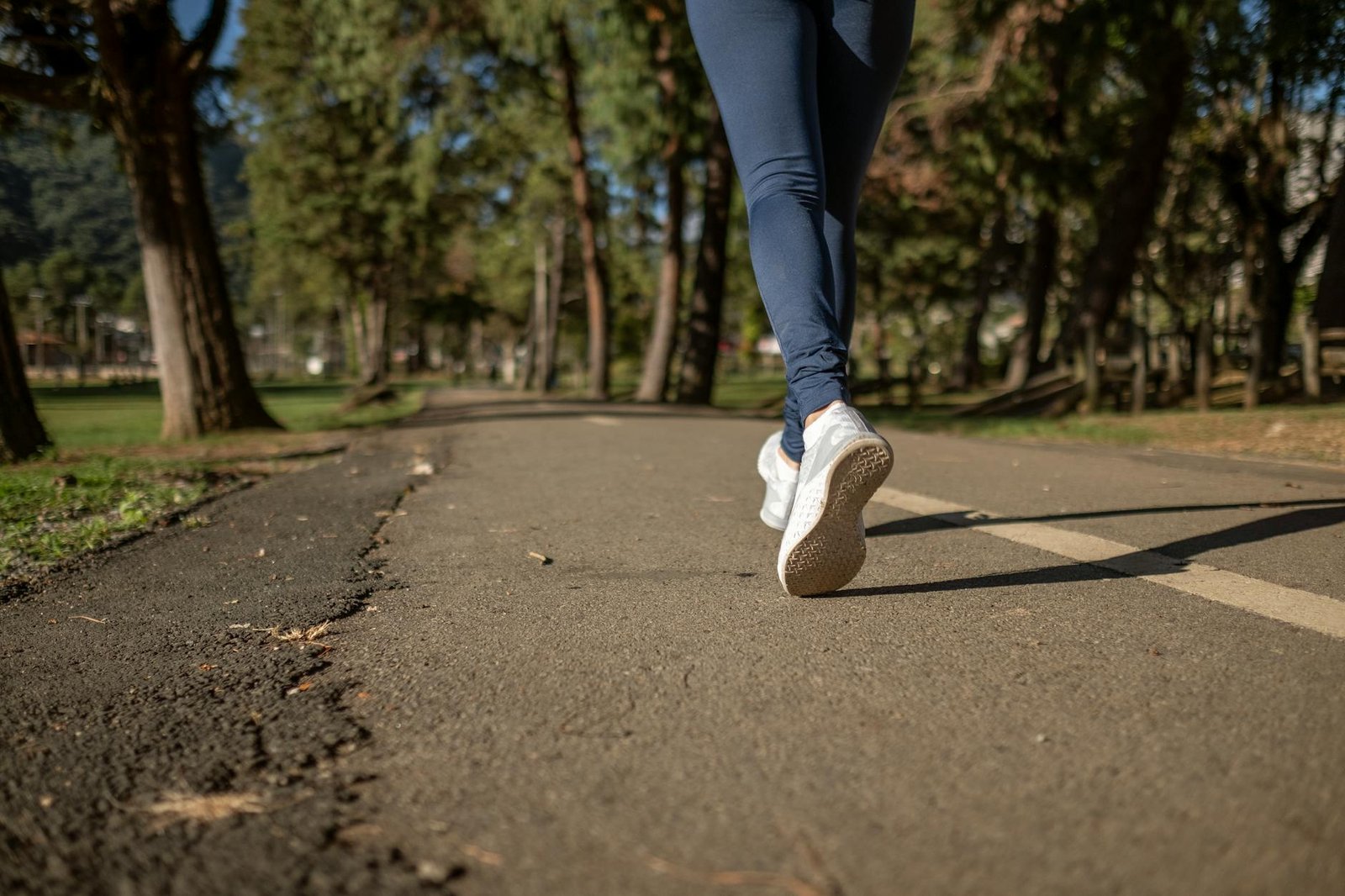
Japanese walking won’t give you a six-pack or help you run a faster mile. That’s not what it’s for. What it will do is lower your stress, improve your sleep, reduce chronic pain, and make you feel more present in your own life. For something that costs nothing, requires no equipment, and takes less than 30 minutes a day, that’s a pretty incredible return on investment.
The 2,986 percent surge in interest isn’t hype. It’s people discovering that sometimes the simplest things work the best.




GIPHY App Key not set. Please check settings