



 Xplorely
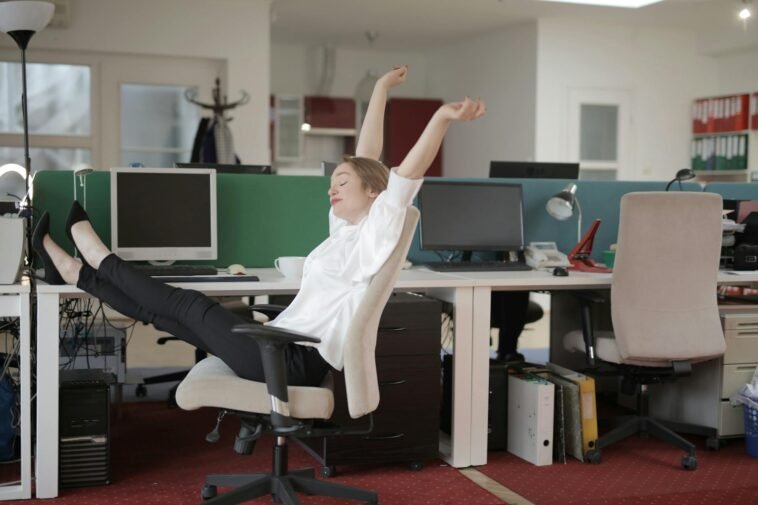
Sitting for 8 or more hours a day is taking a serious toll on your body. Tight hip flexors, rounded shoulders, lower back pain, and neck stiffness are just the beginning. Research shows that prolonged sitting increases your risk of heart disease, diabetes, and chronic pain. The good news? Taking just 5 minutes every hour to stretch can reverse many of these effects. Here are the best desk stretches you can do without leaving your workspace.
Table of Contents
- Neck and Shoulder Stretches
- Upper Back and Chest Openers
- Lower Back Relief Stretches
- Hip Flexor and Leg Stretches
- Wrist and Hand Exercises
- Creating a Stretch Routine That Sticks
Neck and Shoulder Stretches
Start with gentle neck rolls – drop your chin to your chest and slowly roll your head to the right, back, left, and forward. Do 5 circles in each direction. Next, do ear-to-shoulder stretches by tilting your head to the right and gently pressing with your right hand for 15-20 seconds per side. For shoulder tension, do shoulder shrugs – raise both shoulders to your ears, hold for 3 seconds, then release. Repeat 10 times. These stretches target the trapezius and levator scapulae muscles that get extremely tight from looking at screens.
Upper Back and Chest Openers
The seated spinal twist is one of the best stretches for office workers. Sit up tall, place your right hand on the back of your chair, and twist your torso to the right. Hold for 20 seconds and switch sides. For your chest, clasp your hands behind your back, straighten your arms, and lift them slightly while squeezing your shoulder blades together. This counteracts the forward-hunching posture that develops from typing all day.
Lower Back Relief Stretches
Seated cat-cow stretches work wonders for lower back stiffness. Place your hands on your knees, arch your back while looking up (cow), then round your spine while tucking your chin (cat). Flow between these positions 10 times. Another effective stretch is the seated figure-four – cross your right ankle over your left knee and gently lean forward until you feel a stretch in your right glute and lower back. Hold for 30 seconds per side.
Hip Flexor and Leg Stretches
Your hip flexors shorten dramatically from sitting, causing lower back pain and poor posture. Stand up and do a standing lunge stretch – step your right foot forward, bend the knee, and push your left hip forward. You should feel a deep stretch in the front of your left hip. Hold for 30 seconds per side. At your desk, do seated knee-to-chest pulls by hugging one knee toward your chest for 20 seconds. For tight hamstrings, extend one leg straight out, flex your foot, and reach toward your toes.
Wrist and Hand Exercises
Typing all day strains your wrists and can lead to carpal tunnel syndrome. Extend your right arm with palm facing up, use your left hand to gently pull your fingers back toward your body. Hold for 15 seconds, then flip your hand palm-down and stretch the other way. Make fists and rotate your wrists in circles 10 times each direction. Spread your fingers wide apart, hold for 5 seconds, then make a tight fist. Repeat 10 times. These exercises maintain flexibility and blood flow to prevent repetitive strain injuries.
Creating a Stretch Routine That Sticks
Set a timer on your phone for every 60 minutes as a reminder to stretch. Start with just 2-3 stretches per break and build up over time. The best approach is to alternate between upper body and lower body stretches throughout the day. Morning breaks focus on neck and shoulders, midday on back and hips, and afternoon on wrists and legs. Even 2 minutes of stretching per hour adds up to 16 minutes of movement in an 8-hour workday, which research shows is enough to significantly reduce sitting-related health risks.
Pro Tips
- Consistency is more important than intensity – do a little every day
- Listen to your body and never push through sharp pain
- Combine these tips with proper hydration and quality sleep for best results
Frequently Asked Questions
How often should I stretch at my desk?
Aim to stretch for 2-5 minutes every hour. Set a recurring timer to build the habit consistently.
Can desk stretches replace regular exercise?
No, desk stretches help counteract sitting damage but cannot replace proper exercise. Aim for 150 minutes of moderate activity per week in addition to stretching.
What if my office is too small for stretching?
All the stretches listed here can be done while seated in your chair or standing in a small space next to your desk.




GIPHY App Key not set. Please check settings